John B. Roberts, William Stow, and the Stow Sisters’ Secret
Extract from the monograph The Mystery of the Lost Daguerreotype — Tracing Lincoln’s Image in 1861 (Senigallia, MMXXVI).
A Single Daguerreian Gallery
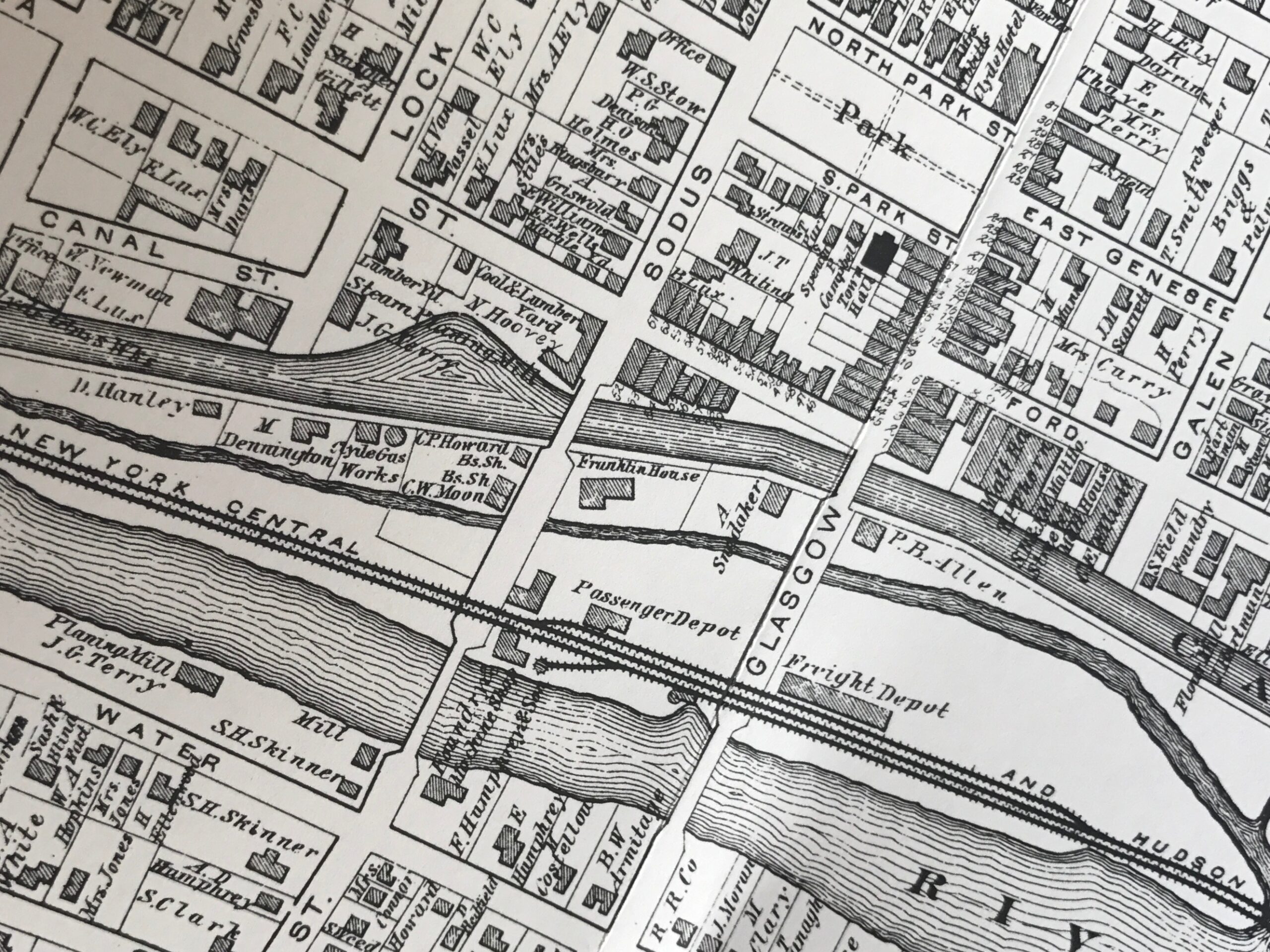
The village of Clyde, like many small American towns, had a single photographic studio that saw a succession of operators. Wayne Morrison’s research provides a detailed account of the photographers who worked in Clyde’s Daguerreian Gallery:
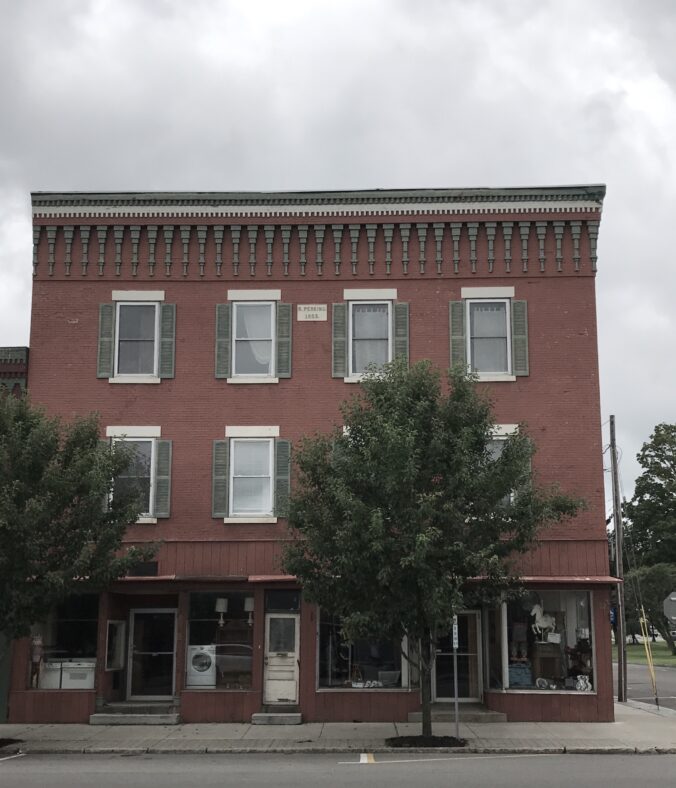
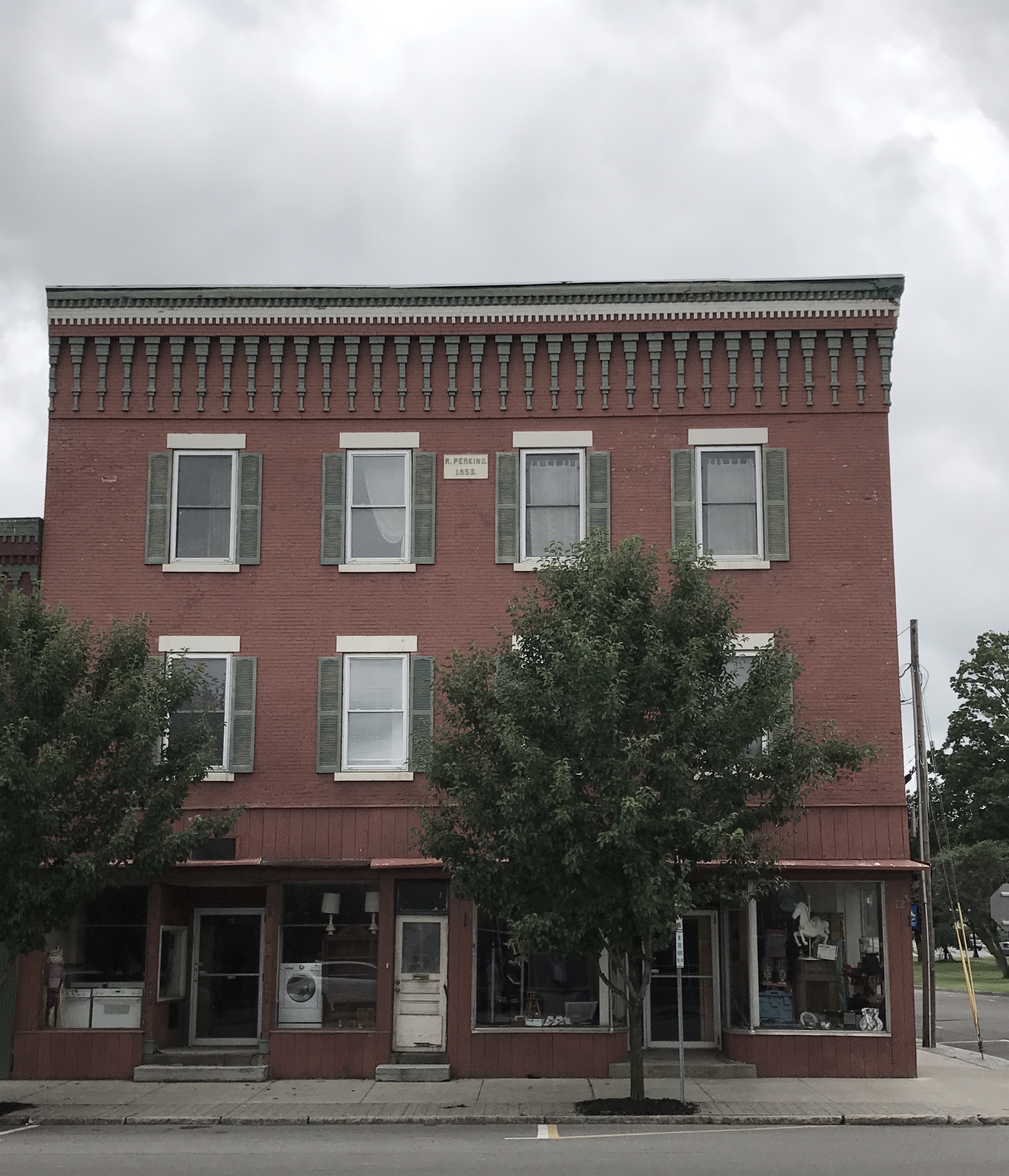
«J. P. Van Deusen is believed to have been the first resident Daguerreotype artist, commencing in November 1850 in Liberty Hall, aloft in the Redfield Block on Glasgow Street. Edward W. Stiles followed in February 1851, operating his Daguerreotype room over Pardee & Elliott’s store on Glasgow Street. Three years later, he relocated to the Clyde Hotel, offering pictures taken by either skylight or side light. By early 1856, Stiles had moved to the Perkins Block, where he continued for a few years before partnering with his brother-in-law as butchers under the name Schoonmaker & Stiles by 1860. Thomas Stead advertised briefly in The Clyde Times, starting May 21, 1859, as did William Hendricks for nearly a year beginning June 18, 1859…»
The narrative then focuses on John B. Roberts (1837–1869), who purchased William Hendricks’ Daguerreian Rooms in the Perkins Block in spring 1860. At twenty-three years old, Roberts arrived from a brief stint in Palmyra, birthplace of the Latter Day Saint movement, where he had advertised his services as village photographer on 18 January 1860.
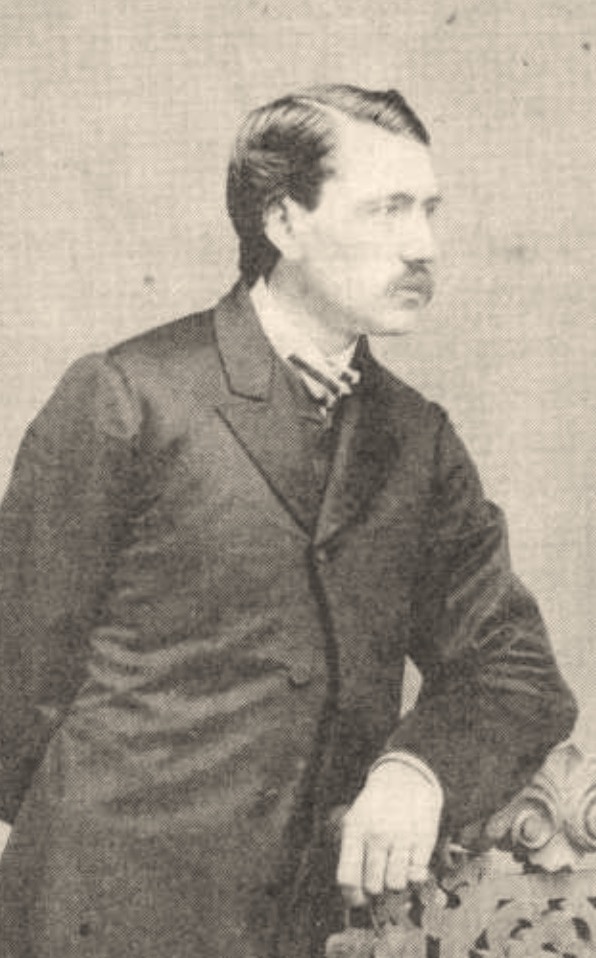
«Roberts advertised as having a large, new instrument for use expressly in the making of photographs, either portraits or of dwelling-houses and grounds. « My rooms are pleasant, and easy of access, being up but one flight of stairs; and those wishing pictures will find it to their advantage to give me a call. »»
Roberts advertised his services for portraits and photographs of buildings and grounds. During the 1860 presidential campaign, he photographed Horace Greeley, editor of the New-York Tribune.
The business was later managed by William H. Naracon and his wife Velona, John B. Roberts’ sister, upon his definitive relocation to Rochester in fall 1865. John B. Roberts started returning to Rochester in 1864, establishing a collodion studio at 58 State Street, registered as « J. B. Roberts and Co » from 1864 to 1868, until illness forced him to leave Rochester.
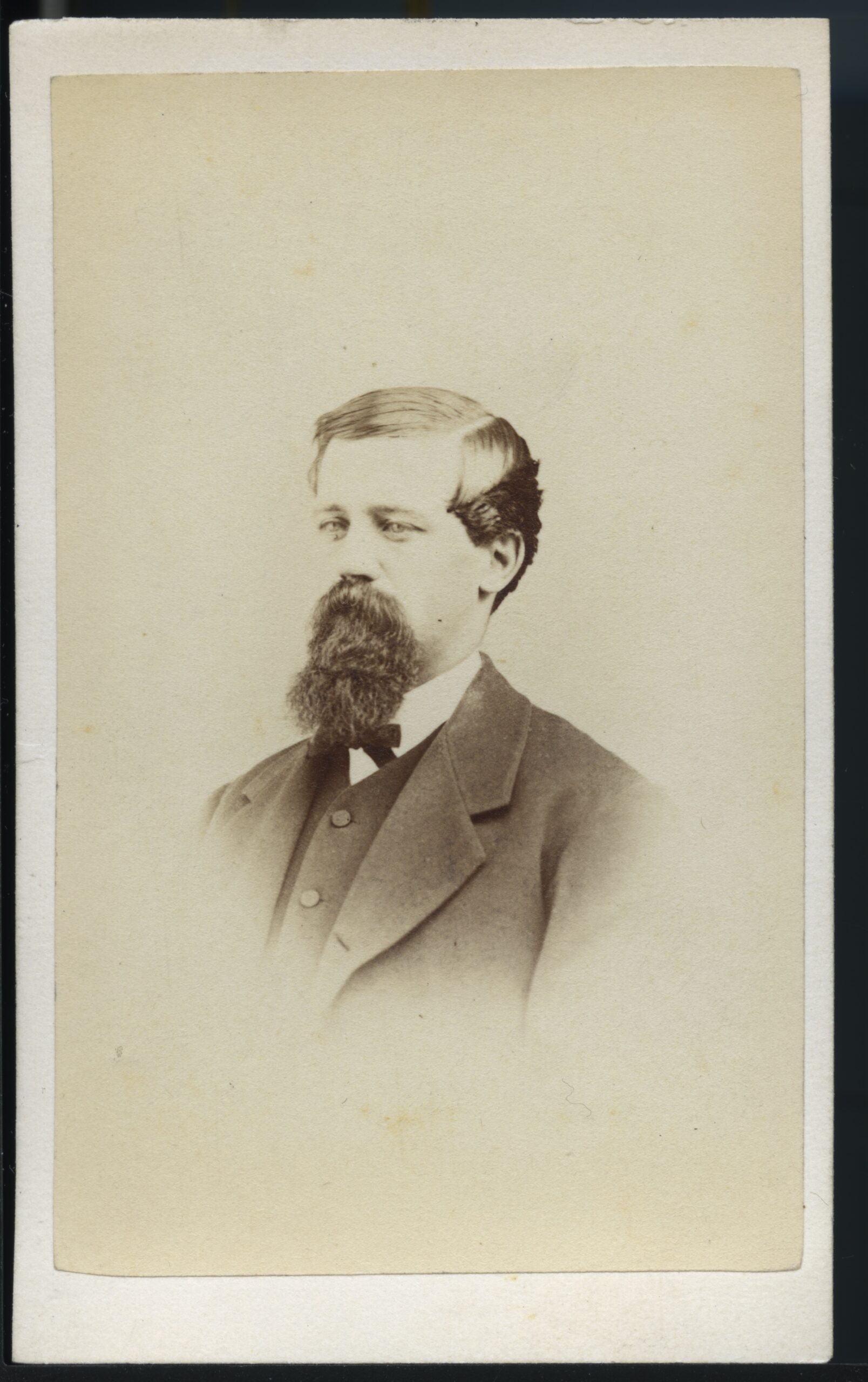
Roberts’ Story Remains an Open Case
Despite the scarcity of biographical details and surviving photographs of John B. Roberts, his short but impactful career suggests a photographer of considerable talent and creativity. Several aspects of his work hint at the possibility of his authorship of the elusive Lincoln daguerreotype in Clyde.
Roberts demonstrated a penchant for creative and daring photographic projects. He captured portraits of Reis Grimsley and Irish revolutionaries planning to invade Canada.
His attempt to establish himself among the Mormons and the Latter-Day Church indicates adaptability and a willingness to explore diverse communities.
Following Lincoln’s assassination, Roberts endeavoured to create an exceptional portrait of the late president, possibly using a Gardner image as reference. This effort underscores his skill and reverence for Lincoln: «We have before us a large sized photograph of the late President, from an original negative by Gardner… from a sitting on February last.»
A potential self-portrait showing Roberts with a false beard and stovepipe hat, mimicking Lincoln’s appearance, further demonstrates his admiration for the president.
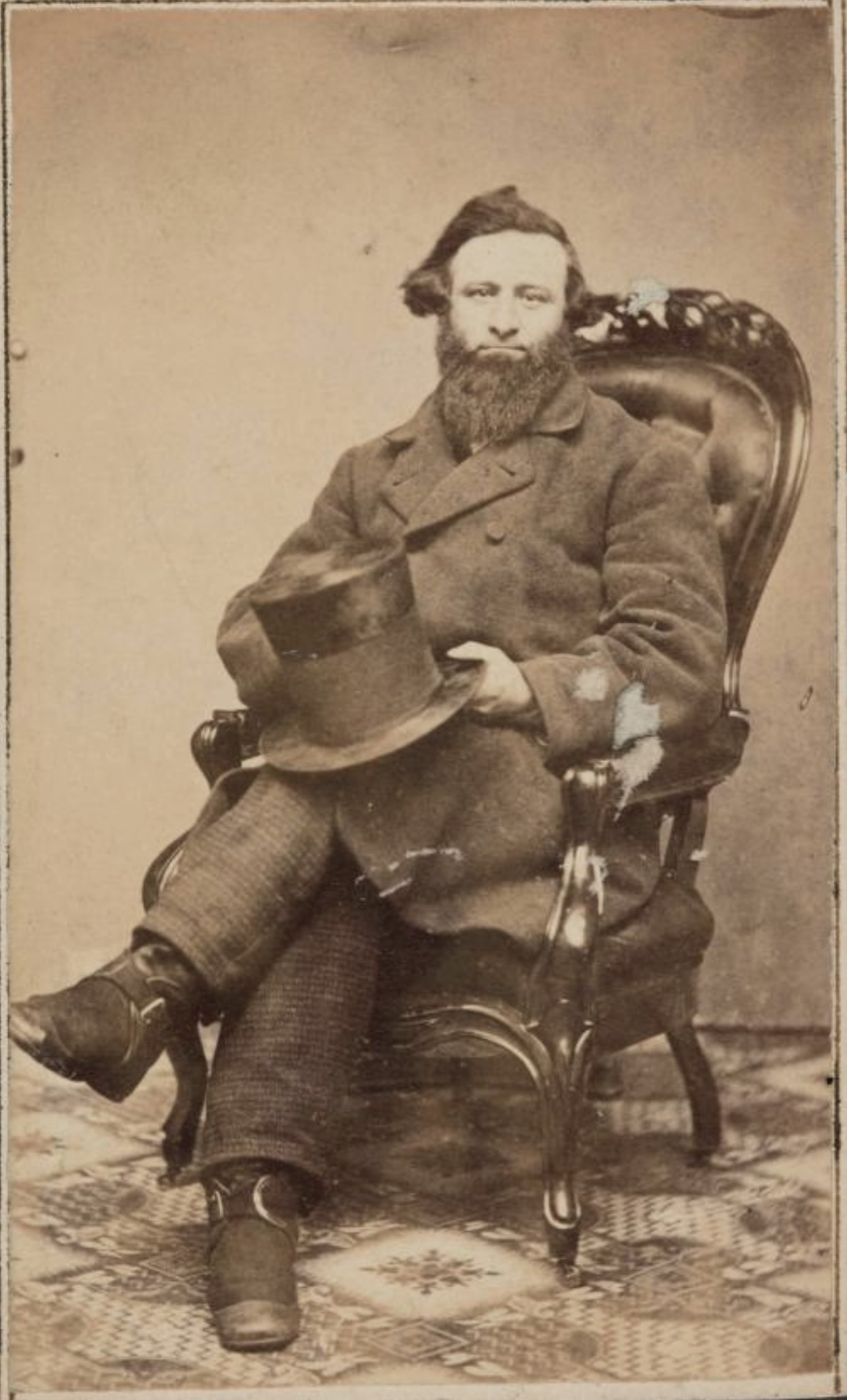
While few of Roberts’ photographs have been identified, three collections preserve his work: the Roberts family album containing portraits of family members, cartes de visite at the George Eastman House, and portraits of Fenians possibly linked to his potential Irish heritage. Roberts’ connection to Fenian portraits is intriguing, given the contemporaneous rise of Irish nationalism and the British suppression of nationalist groups around 1865.
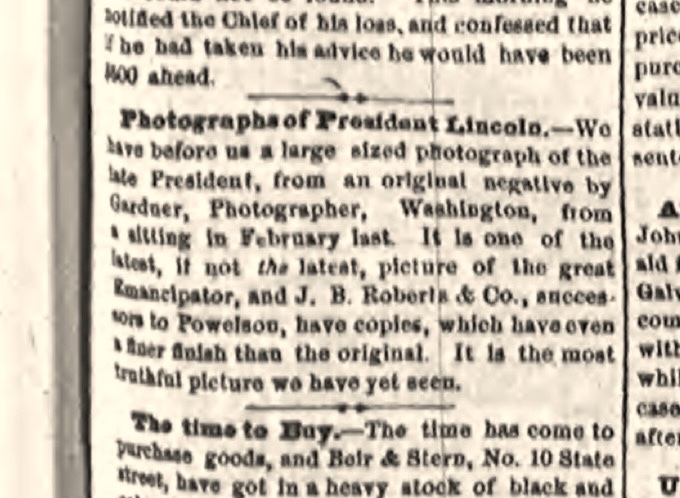
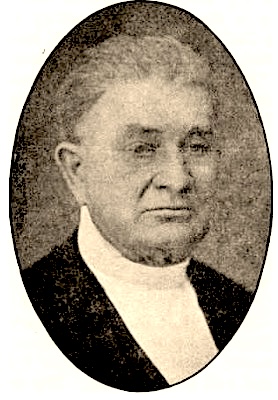
Roberts returned to Rochester in 1864, establishing a collodion studio that operated until 1868. His career was cut short by illness, leading to his death on 30 May 1869, at the young age of thirty-one years and nine months. The Clyde Times obituary hints at the community’s fondness for the young photographer:
«J. B. Roberts, a former resident of this village, but now of Rochester, Monroe Co., died in that city on Sunday last (30 May 1869)… at the age of thirty-one years and nine months. Mr. Roberts had been suffering from a pulmonary difficulty for several months, and spent a part of the last year in Minnesota, vainly hoping to derive benefit from a change of climate, and his decease, though not unexpected, will cause regret among all who knew him…»
The brief career of John B. Roberts presents a compelling enigma in mid-nineteenth-century American photography. His untimely death at thirty-one left behind a sparse trail of evidence — a handful of identified images, cryptic newspaper mentions, and tantalizing connections to historically significant events. His story remains an open case.
Greeley’s Mysterious Clyde Correspondent
In October 1860, Horace Greeley, a prominent editor of the New-York Tribune, visited Clyde, New York, an event that holds significance for the local political landscape of the time.
Greeley’s visit was noted in the Clyde Weekly Times, which reported that he arrived on 19 October 1860, and was escorted by the Wide Awakes to the residence of William S. Stow, a key figure in Clyde’s development and a strong supporter of the Republican Party:
«Hon. Horace Greeley at Clyde: Hon Horace Greeley arrived here on the mail train from the east on Friday morning 19 October 1860 escorted by the Wide Awakes to the residence of Wm. S. Stow, esq.» (The Clyde Weekly Times, 27 October 1860)
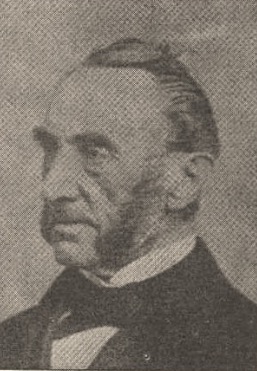
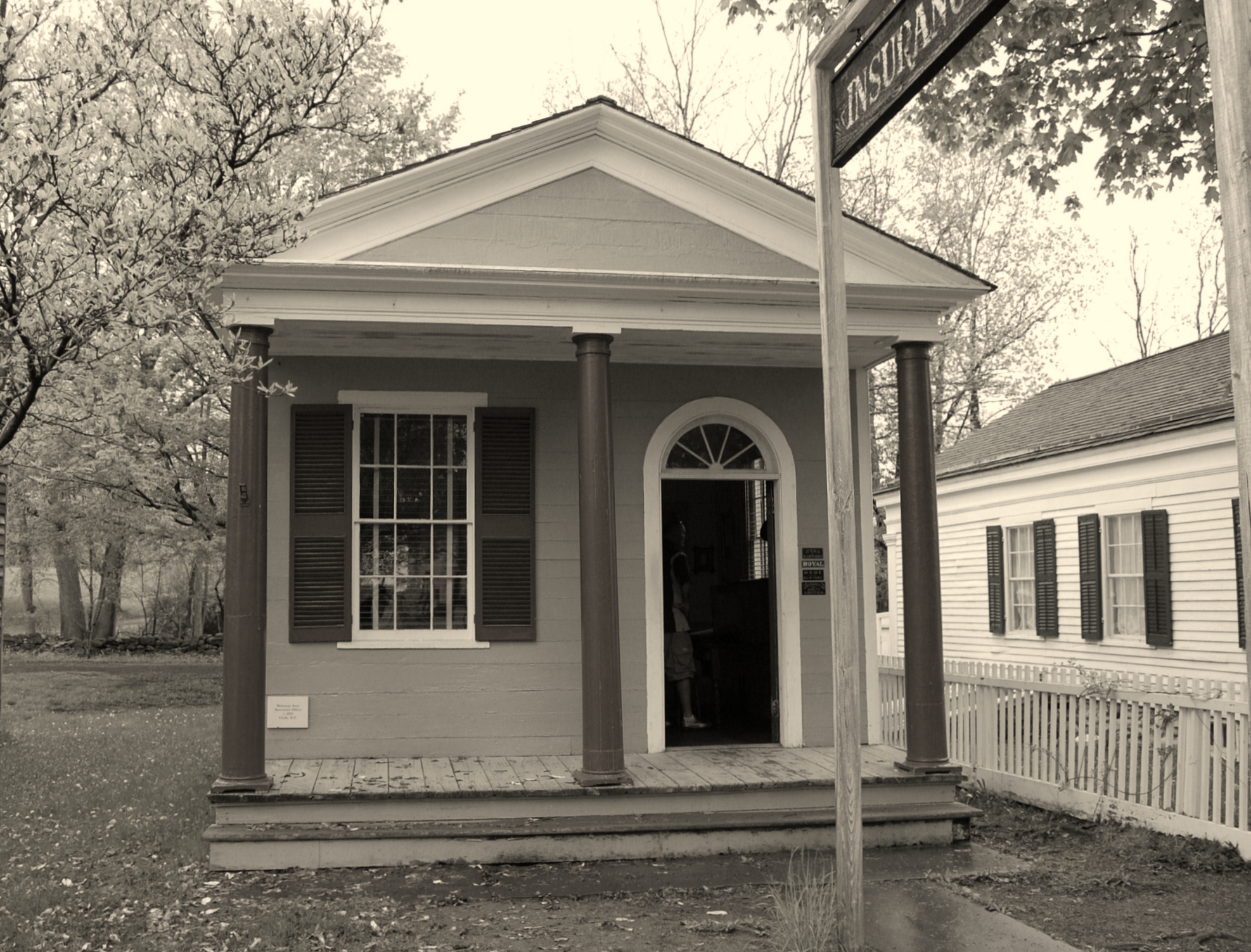
William S. Stow was married to Maria de Zeng, daughter of Baron Frederick de Zeng, and played a significant role in founding and developing Clyde alongside his brother-in-law, William Steuben de Zeng. Both were influential boosters for the Republican cause during a politically charged era leading up to Abraham Lincoln’s presidency.
The local tradition in Clyde suggests that a daguerreotype of Abraham Lincoln might have been associated with DeLancey Stow, a relative of William S. Stow. This daguerreotype was reportedly offered to Alfonso « Butch » Nicoletta by Stow’s granddaughters in the twentieth century. Nicoletta was a notable figure in Clyde, known for his collection of memorabilia.
Abraham Lincoln’s train did indeed stop in Clyde on 18 February 1861, as he travelled to his inauguration. The stop was brief, primarily for wood and water — a common necessity for steam trains at the time — but it has fuelled speculation about whether Lincoln intended to meet with influential figures like William S. Stow, who had hosted Horace Greeley just months earlier.
This connection between Greeley’s visit and Lincoln’s stop adds an intriguing layer to the historical narrative of Clyde and its role in the broader political movements of the period. This visit by Horace Greeley represents a critical juncture in our timeline, potentially linking national political figures, local Clyde personalities, and the mysterious Lincoln photograph. William Stow appears to have played a forgotten but relatively important role in nineteenth-century New York State history, and his archives can be found at the New York Public Library.
William Stow’s Family Papers
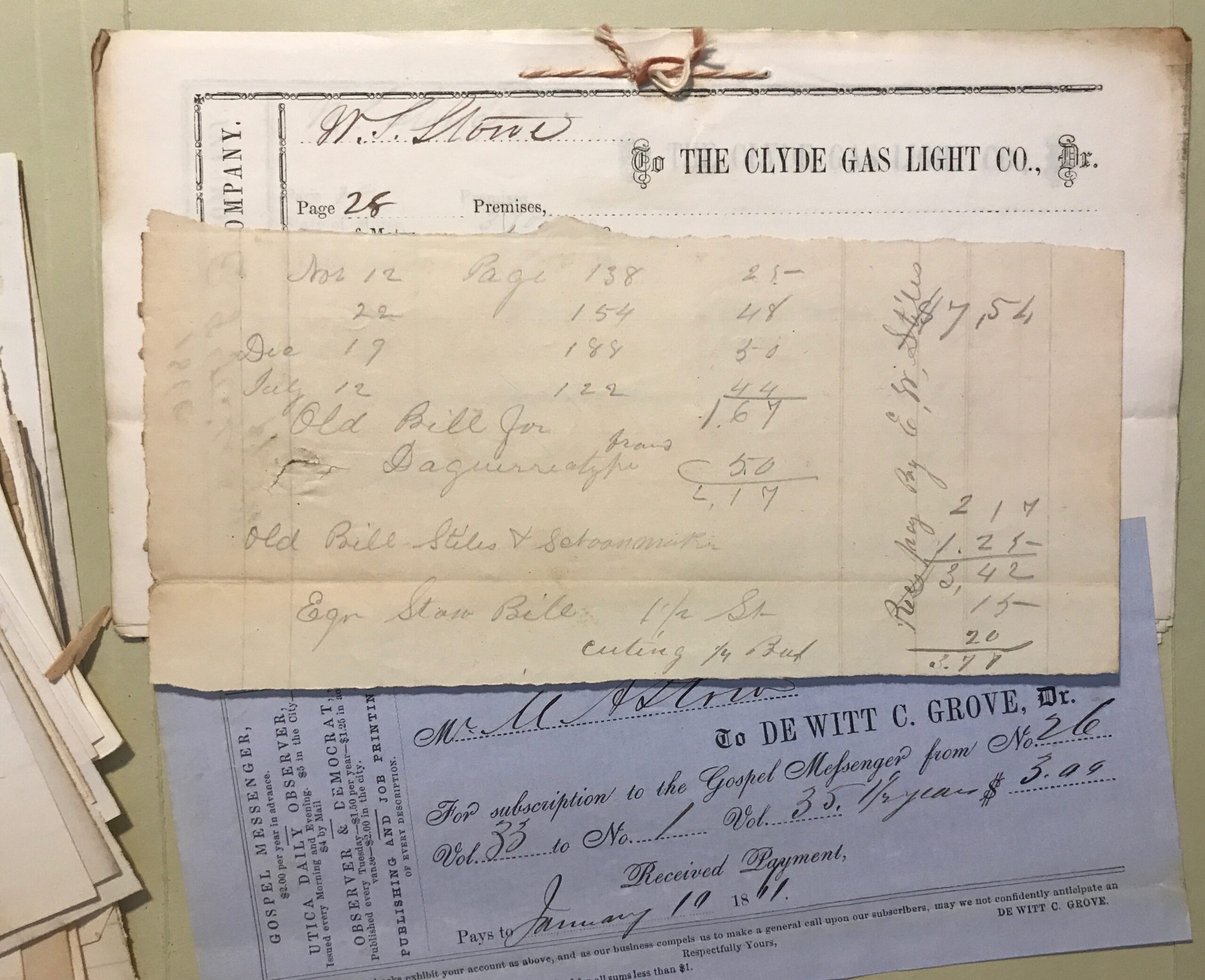
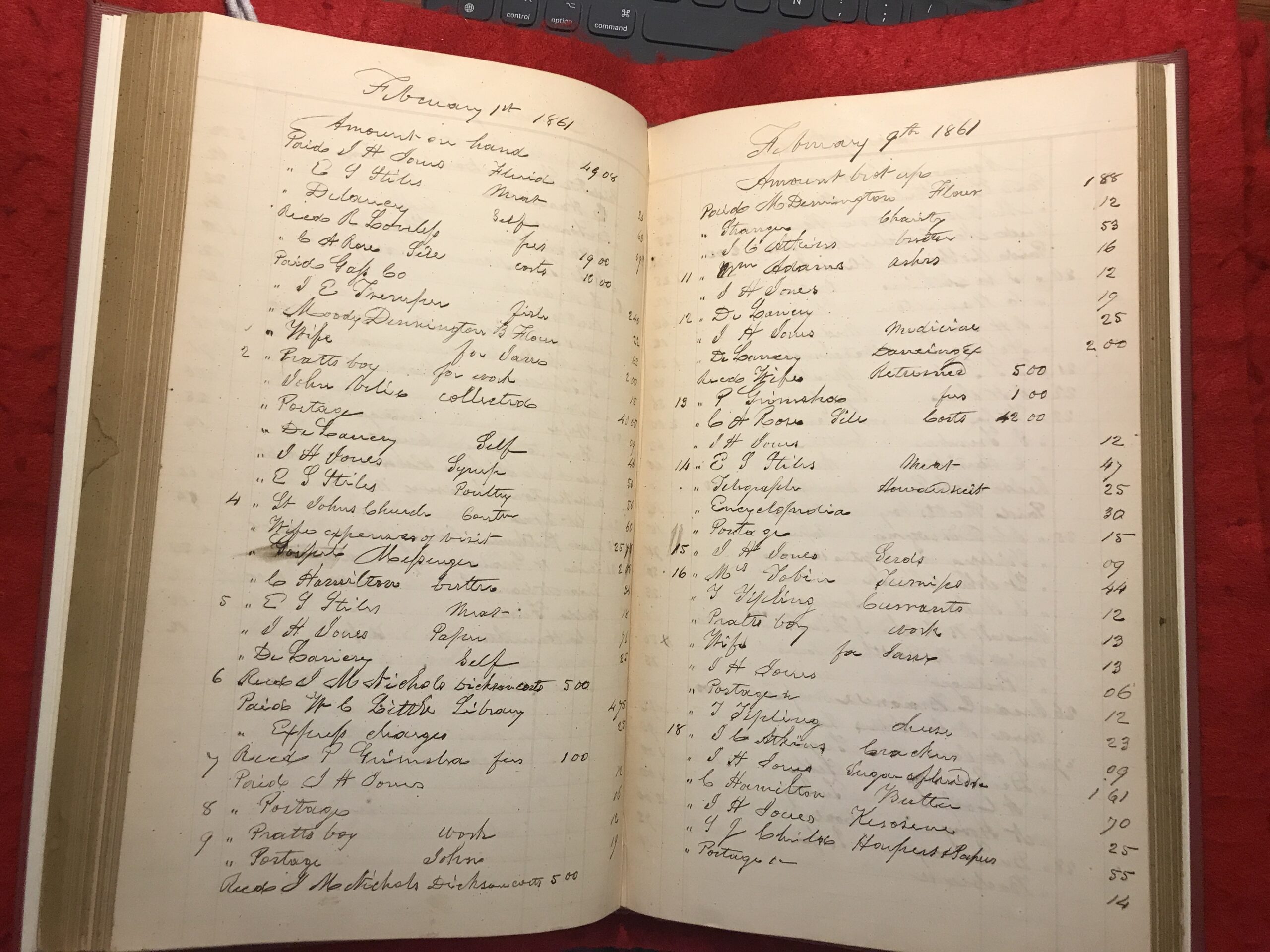
William Stow’s granddaughters, the daughters of his only son DeLancey Stow (1841–1925), played a crucial role in preserving their family’s history: Mary Alice (born 1871), Agnes (born 1873), Edith (born 1881).
After their father’s death, these women took the significant step of donating all the family papers to the New York Public Library.
The name of John B. Roberts does not appear, but a loose note within the end papers of the 1860–1861 diary mentions sums and corrections, one sum due to Mr. Stiles, described as a « good man » of William Stow, and another for a « daguerreotype. »
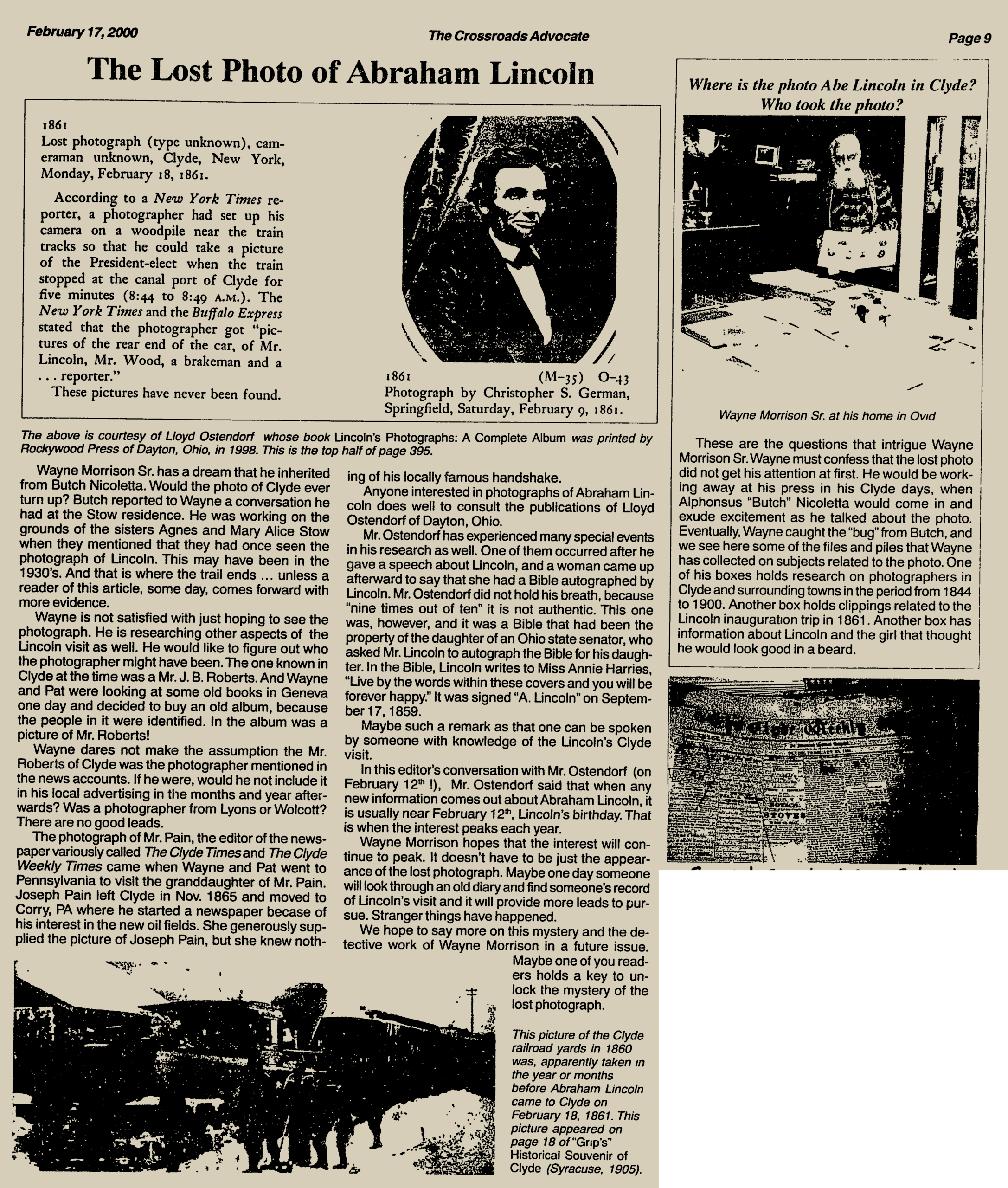
The Stow Sisters’ Secret
Wayne Morrison Sr.’s quest for the lost Lincoln daguerreotype from Clyde is a fascinating historical mystery. Hugh Miner’s 2000 account highlights the challenges of historical research based on oral traditions and the potential for unexpected discoveries in preserving local history:
«Wayne Morrison Sr. has a dream that he inherited from Butch Nicoletta. Would the photo of Clyde ever turn up? Butch reported to Wayne a conversation he had at the Stow residence. He was working on the grounds of the sisters Agnes and Mary Alice Stow when they mentioned that they had once seen the photograph of Lincoln. This may have been in the 1930s. And that is where the trail ends… unless a reader of this article, someday, comes forward with more evidence.
Wayne is not satisfied with just hoping to see the photograph. He is researching other aspects of the Lincoln visit as well. He would like to figure out who the photographer might have been. The one known in Clyde at the time was a Mr. J. B. Roberts. And Wayne and Pat were looking at some old books in Geneva one day and decided to buy an old album, because the people in it were identified. In the album was a picture of Mr. Roberts!
Wayne dares not make the assumption that Mr. Roberts of Clyde was the photographer mentioned in the news accounts. If he were, would he not include it in his local advertising in the months and years afterwards? Was a photographer from Lyons or Wolcott? There are no good leads.»
The existence of this daguerreotype is primarily based on the memories of Agnes and Mary Alice Stow, William Stow’s granddaughters. They reportedly mentioned having seen the photograph, possibly in the 1930s, during a conversation with Butch Nicoletta, who later relayed this information to Wayne Morrison.
As Hugh Miner concluded in The Crossroads Advocate:
«Wayne Morrison hopes that the interest will continue to peak. It does not have to be just the appearance of the lost photograph. Maybe one day someone will look through an old diary and find someone’s record of Lincoln’s visit and it will provide more leads to pursue. Stranger things have happened. Maybe one of you readers holds a key to unlock the mystery of the lost photograph.»
To be continued — Episode 11: « Examining the Subject Daguerreotype ».
Sources & Notes
- Morrison, Wayne E. Morrison’s History of Clyde, Wayne County, New York, 1969.
- The PIC, Photographers’ Identities Catalog, New York Public Library.
- Fagant, John. The Best of the Bargain: Lincoln’s Journey to Washington. Albany, NY: State University of New York Press, 2010.
- Rochester NY Evening Express, 10 May 1865.
- Gantt, Jonathan. Fenian Terrorism Confronts the Atlantic Community, 1865–1870. London: Palgrave Macmillan, 2010.
- Miner, Hugh. ‘The Mystery of the Lost Lincoln Photograph.’ The Crossroads Advocate, 17 February 2000.
- Ostendorf, Lloyd. Lincoln researcher and author. Personal communication, 12 February 2000.
- Stow Family Papers. Manuscripts and Archives Division, The New York Public Library.
Laisser un commentaire