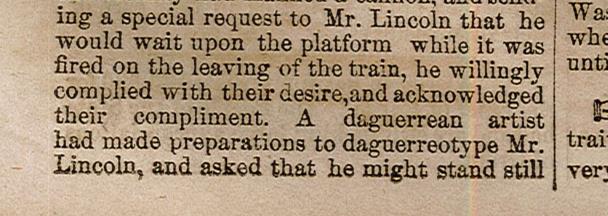
Can we identify a portrait without ever using an argument based on resemblance? That is the challenge posed in this article. In our first episodes we sketched the portrait of a young village photographer on the banks of the Erie Canal, John B. Roberts — the hero, as it were, of our serial — then […]
Étiquette : Abraham Lincoln
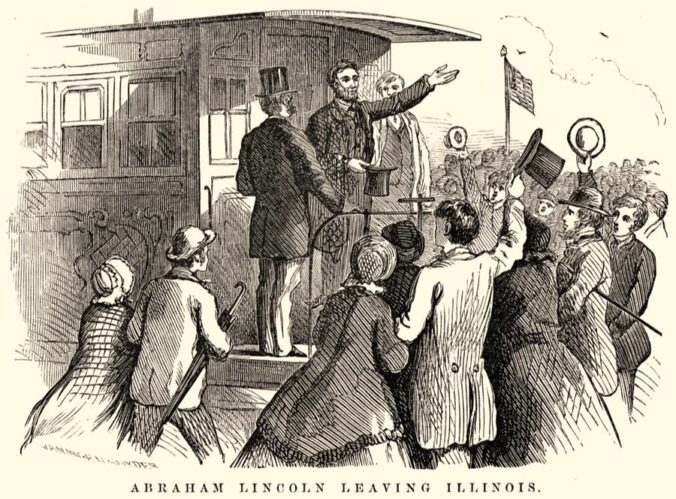
The Train That Made Lincoln Visible In our first episodes we sketched the portrait of a young village photographer on the banks of the Erie Canal, John B. Roberts — the hero, as it were, of our serial — and the rather extraordinary story of how the single surviving copy of a small-town newspaper turned […]
Lost Daguerreotype — Draft – Episode 1: An Inquiry into Method
Digital technologies and artificial intelligence have transformed methods for identifying portraits, art, and ancient documents. While they offer new opportunities, they also introduce complexities.
Lost Daguerreotype — Draft – Episode 13: Timeline of Lincoln Portraits and Various Perspectives
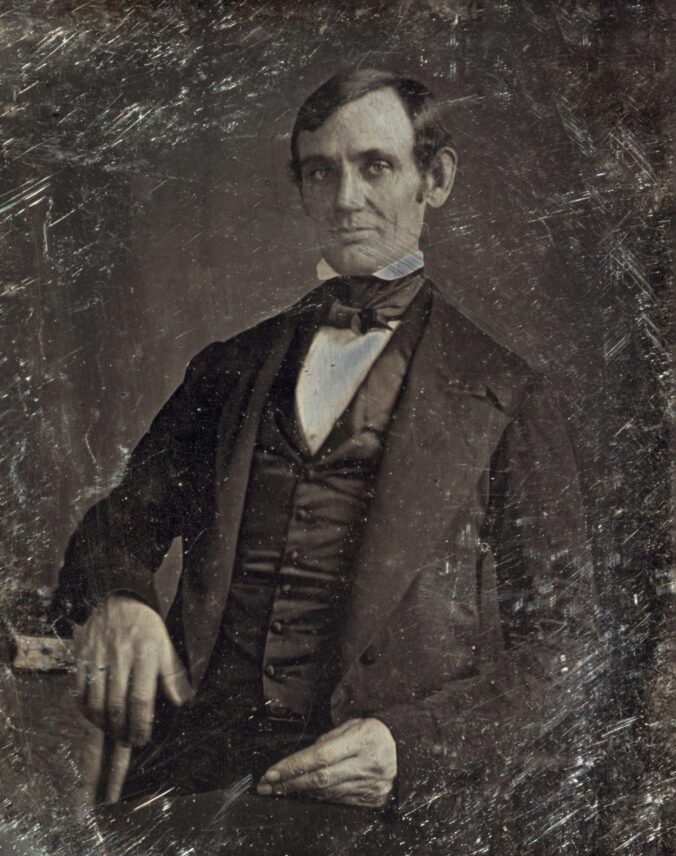
Lincoln’s first recorded portrait was taken after his election to Congress, at age 37. Gibson Harris, a law student who worked in Lincoln’s office from 1845 to 1847, was a friend and roommate of Nicholas H.
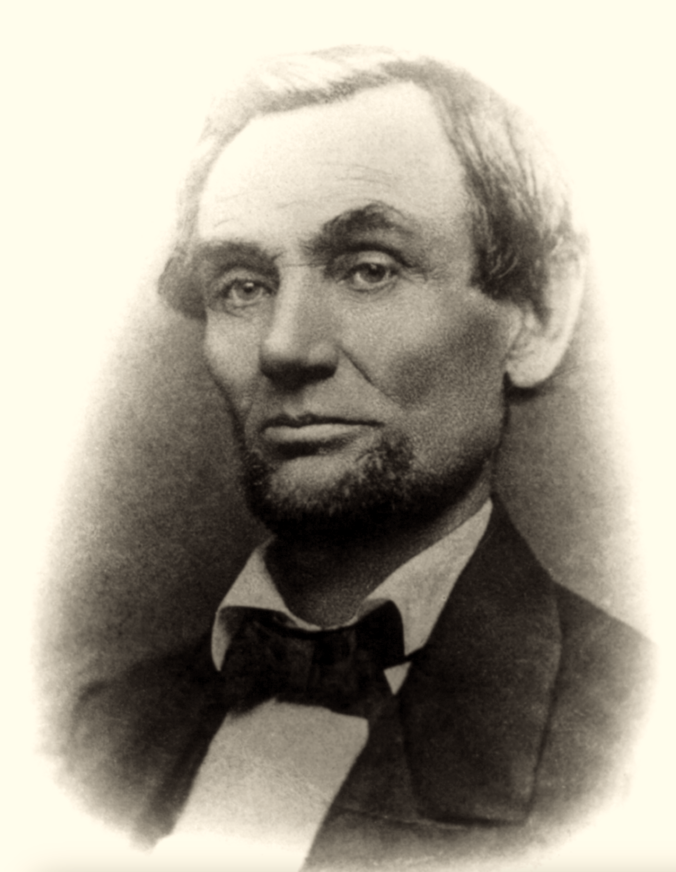
Lost Daguerreotype — Draft – Episode 12: Facial Features
The subject daguerreotype portrait is seen from a low angle, approximately 8°. Among all known Abraham Lincoln portraits, there are no comparable examples.
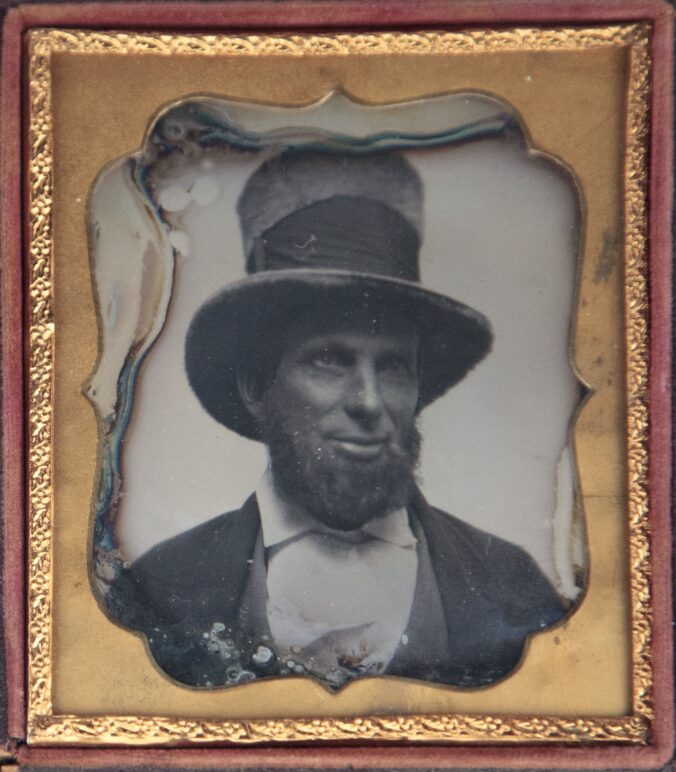
Lost Daguerreotype — Draft – Episode 11: Physical Evidence
Dimensions of the leather case: 94 x 80 x 14 mm. Dimensions of the brass frame: 82 x 70 mm.
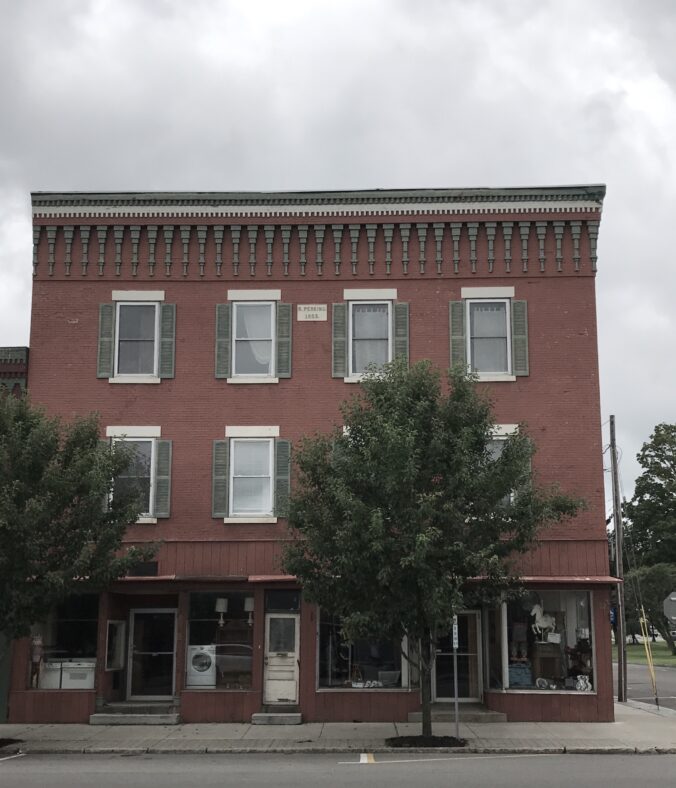
Lost Daguerreotype — Draft – Episode 10: The Photographer and His Notable Patron
The village of Clyde, like many small American towns, had a single photographic studio that saw a succession of operators. Wayne Morrison’s research provides a detailed account of the photographers who worked in Clyde’s Daguerreian Gallery:
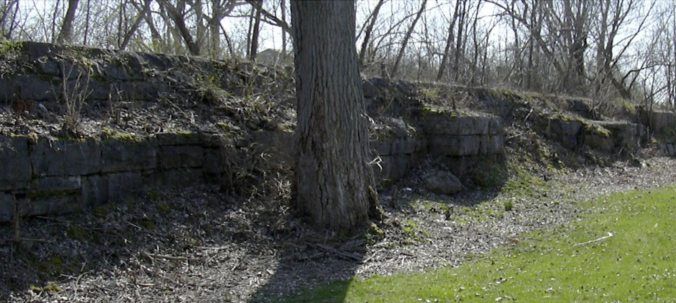
Lost Daguerreotype — Draft – Episode 9: The Stop at Clyde
The Village of Clyde, situated on the Clyde River, is part of the Town of Galen in Wayne County, New York. Located on the county’s southern border and west of Syracuse, Clyde had a population of 2,093 in 2010, while the town’s population was 4,290.
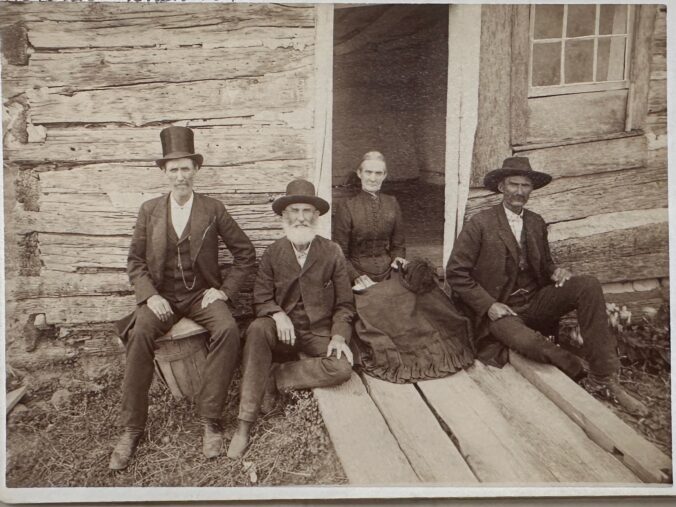
Lost Daguerreotype — Draft – Episode 8: Diverse Perspectives
Abraham Lincoln’s humble beginnings in a one-room log cabin with a dirt floor in 1809 became a powerful symbol of his rise to the presidency. This narrative of Lincoln as a self-made man was reinforced by the stark contrast between his origins and his later achievements.
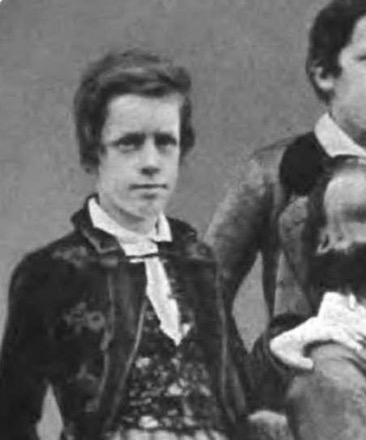
Lost Daguerreotype — Draft – Episode 7: Journalists on Board
The birth name of Henry Villard was Ferdinand Heinrich Gustav Hilgard, from the German city of Speyer. As a teenager, he emigrated to the United States in the 1850s without his parents’ knowledge.
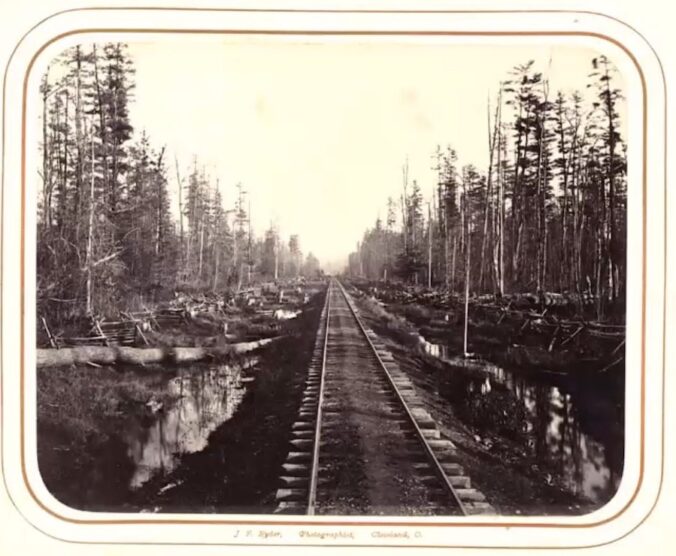
Lost Daguerreotype — Draft – Episode 5: 1,900 Miles in 12 Days
The route chosen for the journey to Washington was a somewhat circuitous one, traversing the States of Indiana, Ohio, New York, New Jersey and Pennsylvania, and passing through Maryland to the District of Columbia. It seems to have been the desire of Mr.
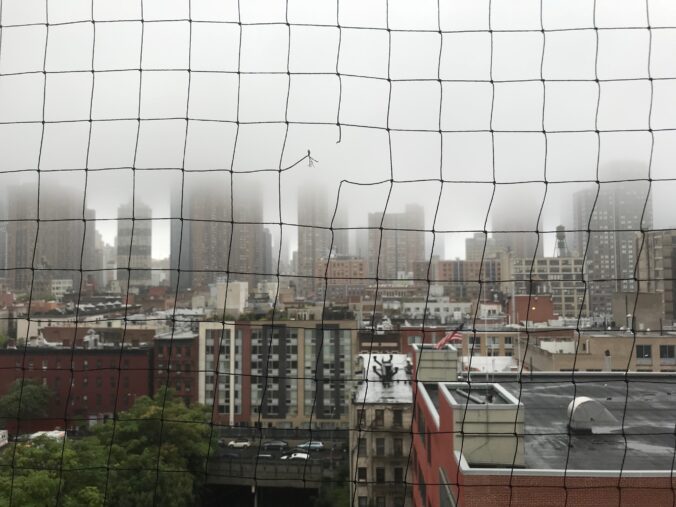
Lost Daguerreotype — Draft – Episode 4: A Discovery at a Manhattan Photo Fair
An anonymous image surfaced during a bustling New York photo fair, coinciding with the AIPAD event at Pier 94. This chapter retraces the circumstances of that discovery and then turns to a key objection that every observer, at first sight, raises: «Just one more Lincoln look-alike?»
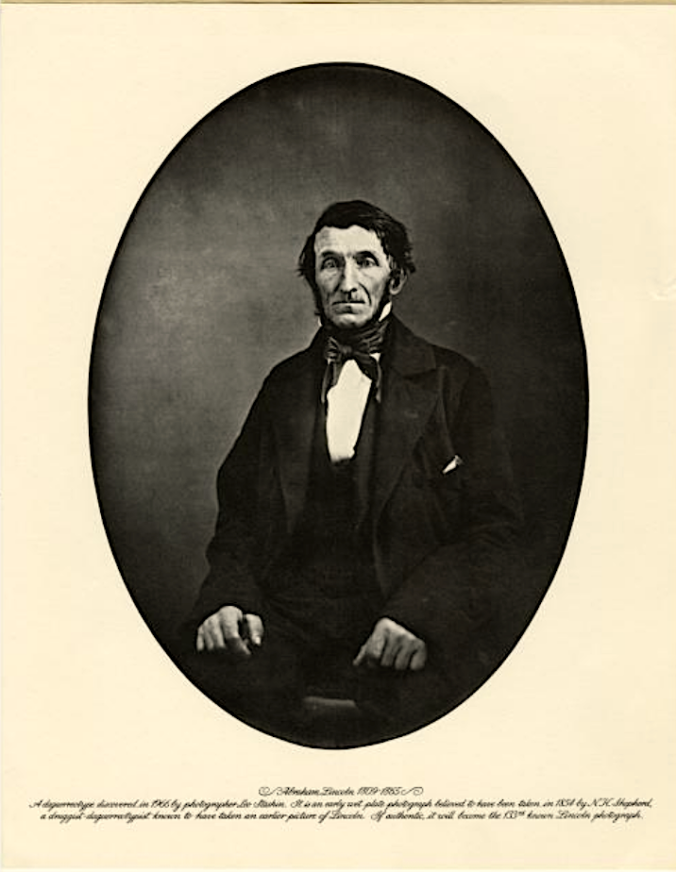
Lost Daguerreotype — Draft – Episode 3: False Hopes and True Disappointments
Identification and analysis of old photographs is a patient art; one is often surprised to understand how different one’s neighbor’s vision can be. Six examples follow of collectors or researchers who believed they had found a daguerreotype representing Lincoln.
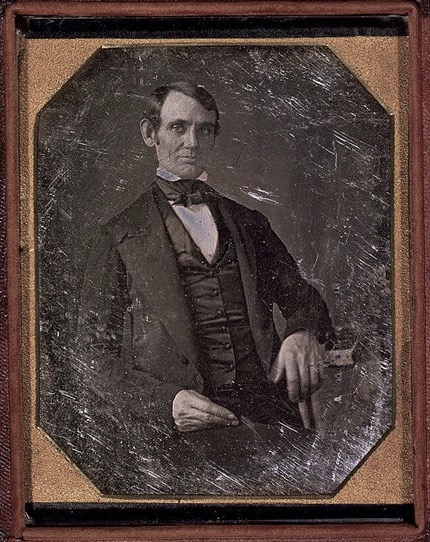
Lost Daguerreotype — Draft – Episode 2: The Only Known Lincoln Portrait in Daguerreotype
Iconographers agree on only three daguerreotypes of Abraham Lincoln, but only one is an original portrait. We nearly lost the name of its creator entirely.
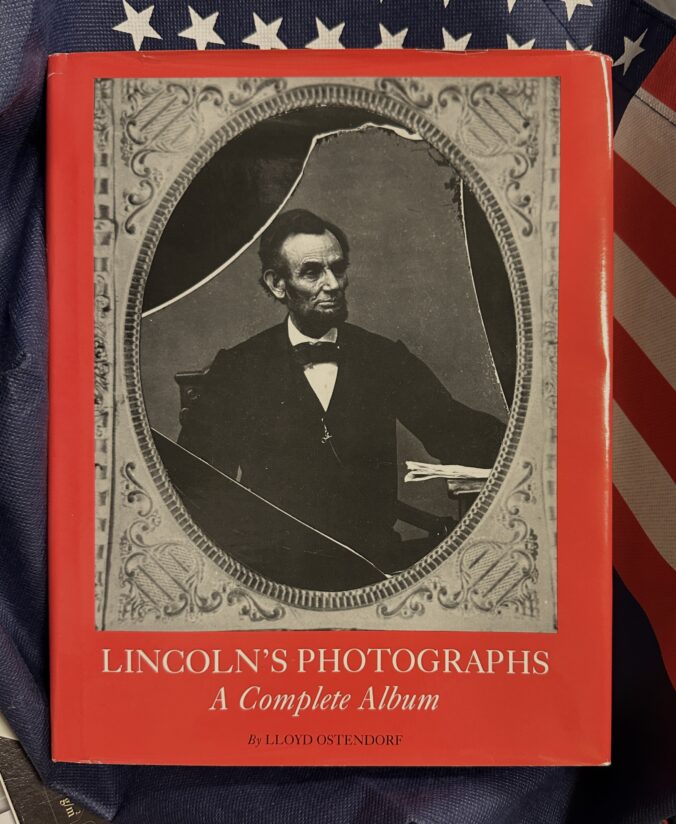
Lost Daguerreotype — Draft – Episode 1: An Inquiry into Method
Digital technologies and artificial intelligence have transformed methods for identifying portraits, art, and ancient documents. While they offer new opportunities, they also introduce complexities.
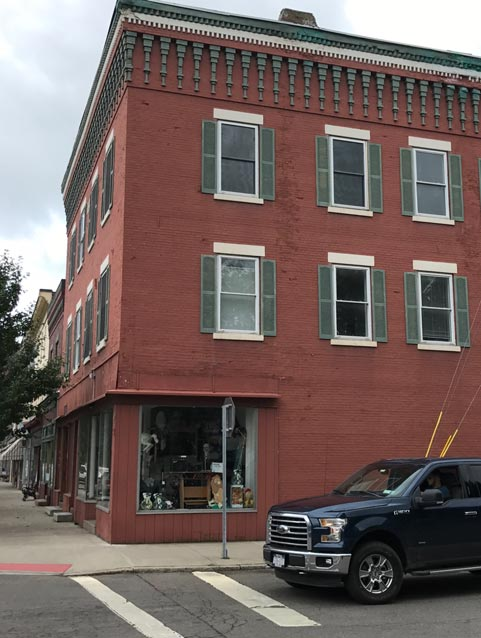
Lost Daguerreotype — DRAFT -Episode 10: The Photographer and His Notable Patron
The village of Clyde, like many small American towns, had a single photographic studio that saw a succession of operators. Wayne Morrison’s research provides a detailed account of the photographers who worked in Clyde’s Daguerreian Gallery: