Villard, Greeley, Howard, Tinsley and Larned
Extract from the monograph The Mystery of the Lost Daguerreotype — Tracing Lincoln’s Image in 1861 (Senigallia, MMXXVI).
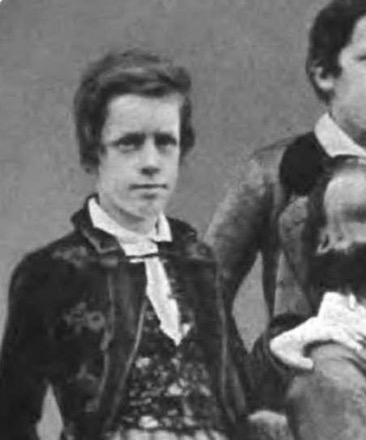
Henry Villard (New York Herald)
The birth name of Henry Villard was Ferdinand Heinrich Gustav Hilgard, from the German city of Speyer. As a teenager, he emigrated to the United States in the 1850s without his parents’ knowledge. He changed his name to Henry Villard — the name of a French friend — to avoid being sent back to Europe, and began making his way west, briefly studying law as he developed a career in journalism. Now a young American war correspondent, he became a financier who later made an impressive fortune.
As a New York Herald journalist, Villard had followed Mr. Lincoln for the previous three months since his election. He filed his last dispatch about the train ride from Albany to New York City on 19 February:
«In the special car were Mr. and Mrs. Lincoln and their suite… Martin J. Townsend, a Chicago delegate and a great friend of Thurlow Weed, was also on board; but Mr. Lincoln was so unwell and fatigued that he seemed to take very little interest in the political conversation. Mrs. Lincoln chit-chatted with her friends, and seemed all life and enjoyment…»
«It was plain to see that the Lincolns are common sense, homelike folks unused to the glitter and flutter of society. Towering above all, with his face and forehead furrowed by a thousand wrinkles, his hair unkempt, his new whiskers looking as if not yet naturalized, his clothes illy arranged, Mr. Lincoln sat toward the rear of the saloon car…»
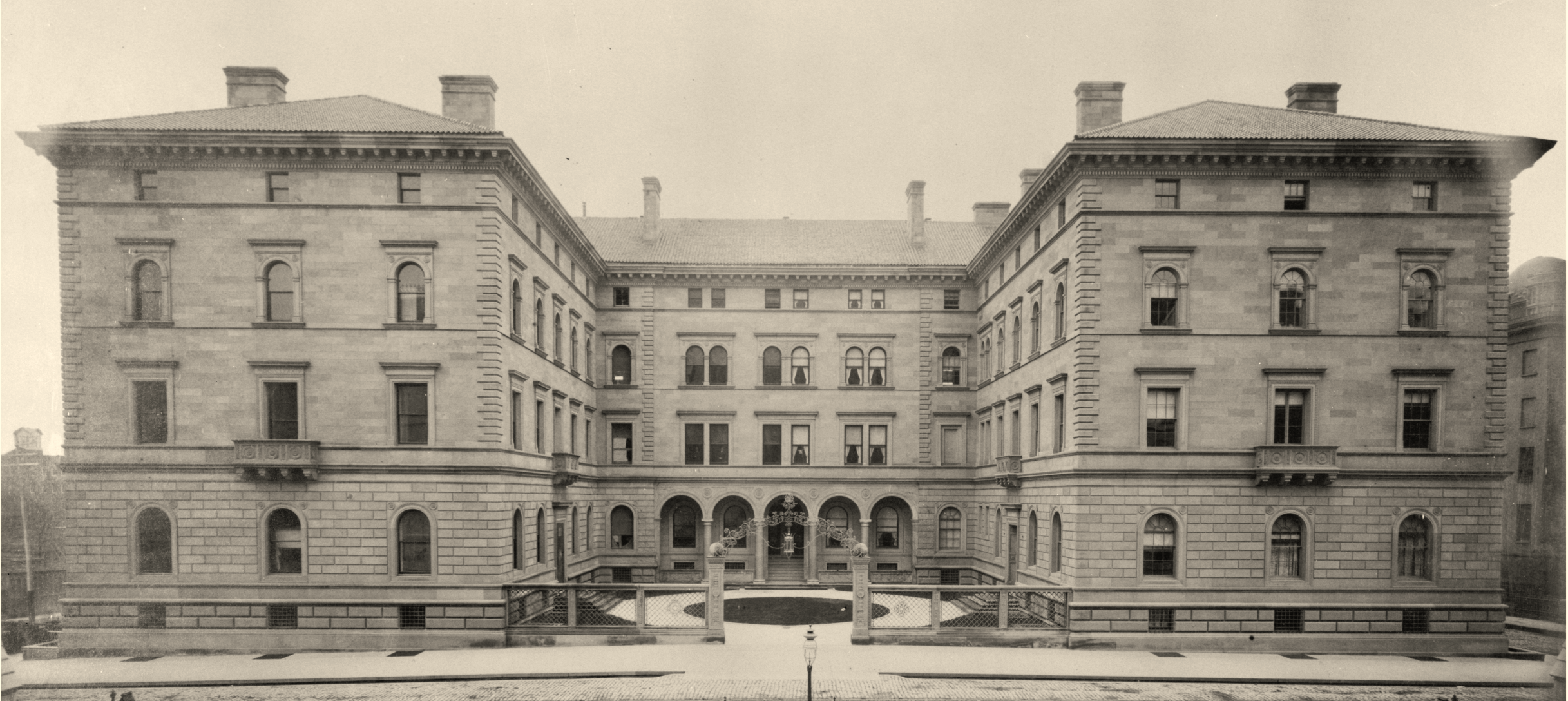
More than thirty years later, Henry Villard left a very long report in his Memoirs, posthumously published in 1904:
«During the month of January, 1861, there appeared in Springfield one W. S. Wood, a former hotel manager and organizer of pleasure excursions, I believe, from the interior of New York state, who, on the recommendation of Thurlow Weed, was to take charge of all the arrangements for the journey of the President-elect to Washington. He was a man of comely appearance, greatly impressed with the importance of his mission, and inclined to assume airs of consequence and condescension. As he showed a disposition to ignore me, I made a direct appeal to Mr. Lincoln, who instructed him that I was to be one of the presidential party.
The start on the memorable journey was made shortly after eight o’clock on the morning of Monday, 11 February. It was a clear, crisp winter day. Only about one hundred people, mostly personal friends, were assembled at the station to shake hands for the last time…
Everywhere there were formal welcomes by the state or municipal authorities and by great crowds of people, with brass bands, and public and private receptions. In different localities pleasant variations were offered in the way of serenades, torchlight processions, and gala theatrical performances. Altogether, the President had every reason to feel flattered and encouraged by the demonstrations in his honor. But the journey was a very great strain upon his physical and mental strength, and he was well-nigh worn out when he reached Buffalo. He must have spoken at least fifty times during the week.
In the kindness of his heart — not from any love of adulation, for he really felt very awkward about it — he never refused to respond to a call for his appearance wherever the train stopped. While he thus satisfied the public curiosity, he disappointed, by his appearance, most of those who saw him for the first time. I could see that impression clearly written on the faces of his rustic audiences. Nor was this surprising, for they certainly saw the most unprepossessing features, the gawkiest figure, and the most awkward manners.
After ten days of the wearisome sameness of the « performances » at the several halting-places, I was very sick of the « traveling show, » and I therefore asked to be relieved from my duties on reaching New York. My request was granted, and I remained behind. It turned out that I lost only the reception in Independence Hall in Philadelphia, as the journey was cut short by the incognito night run of the President from Harrisburg to Washington.»
Villard’s critical observations of Lincoln’s appearance and mannerisms during the inaugural journey highlight the stark contrast between public expectations and the reality of the President-elect’s physical presence, underscoring the potential importance of any photographic documentation from this period — including Clyde’s possible daguerreotype.
Horace Greeley (New York Tribune)
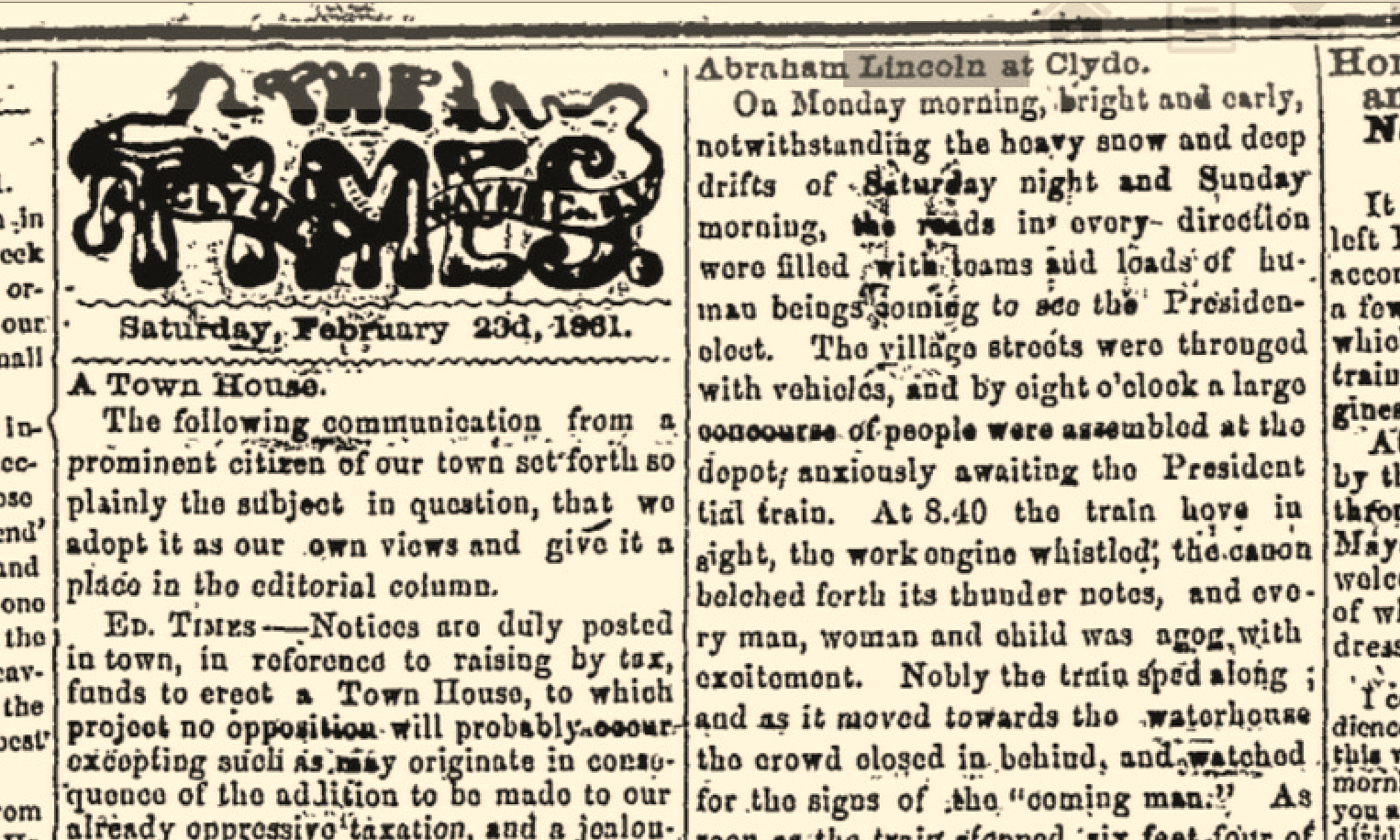
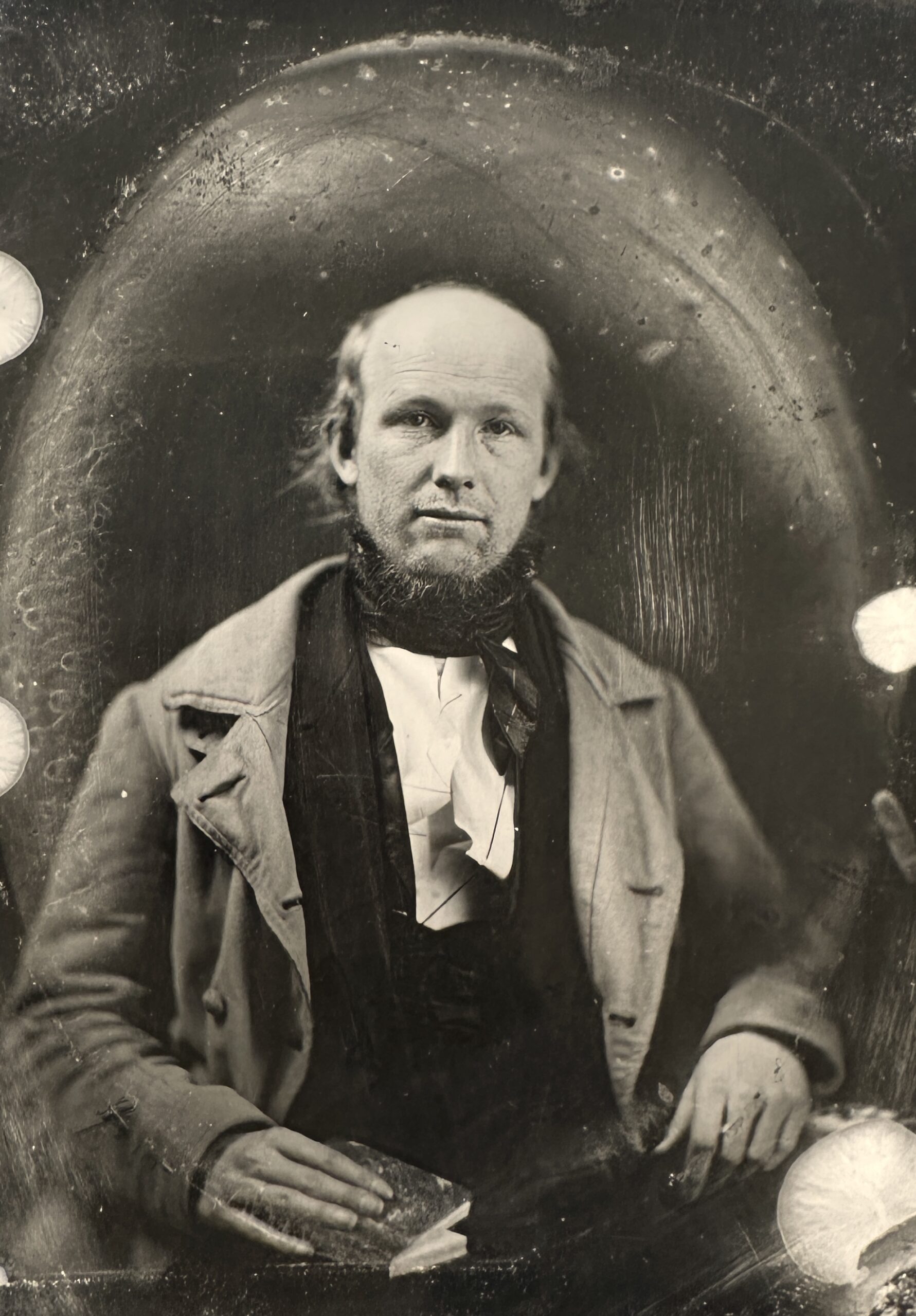
Horace Greeley, the influential editor of the New York Tribune, played a significant role in Lincoln’s journey to Washington and had a prior connection to Clyde, NY.
Greeley was on the train during the Clyde incident, but he was asleep at the time. Nevertheless, he plays a significant role in this investigation because he had made a special trip to Clyde, NY, just a month before the November 1860 election. During his stay at William Stow’s house, he met John B. Roberts and had his portrait taken, which was intended to be kept by the community.
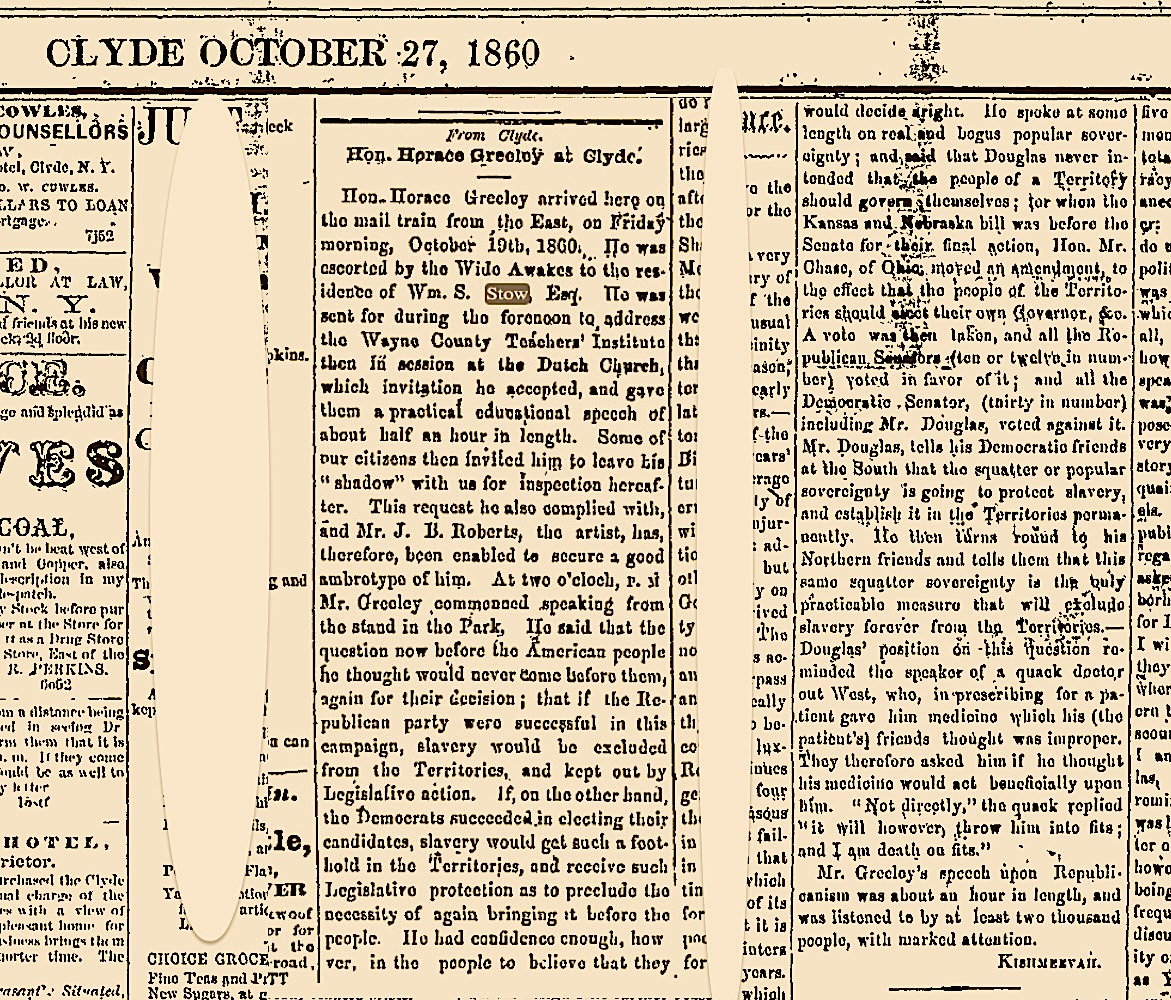
On 16 February 1861, Greeley joined the train in Western Pennsylvania. «Leaving Ohio behind, the Special train now rolled through the northwestern corner of Pennsylvania. The big surprise here, though, was the unexpected appearance of Horace Greeley, the owner and editor of the New York Tribune. Greeley, known mainly today for his decree ‘Go West, young man’, was a major power in politics… He was a Republican and strongly against slavery. Greeley attended the 1860 Republican Convention in Chicago where he played an influential role in bringing about Lincoln’s nomination.»
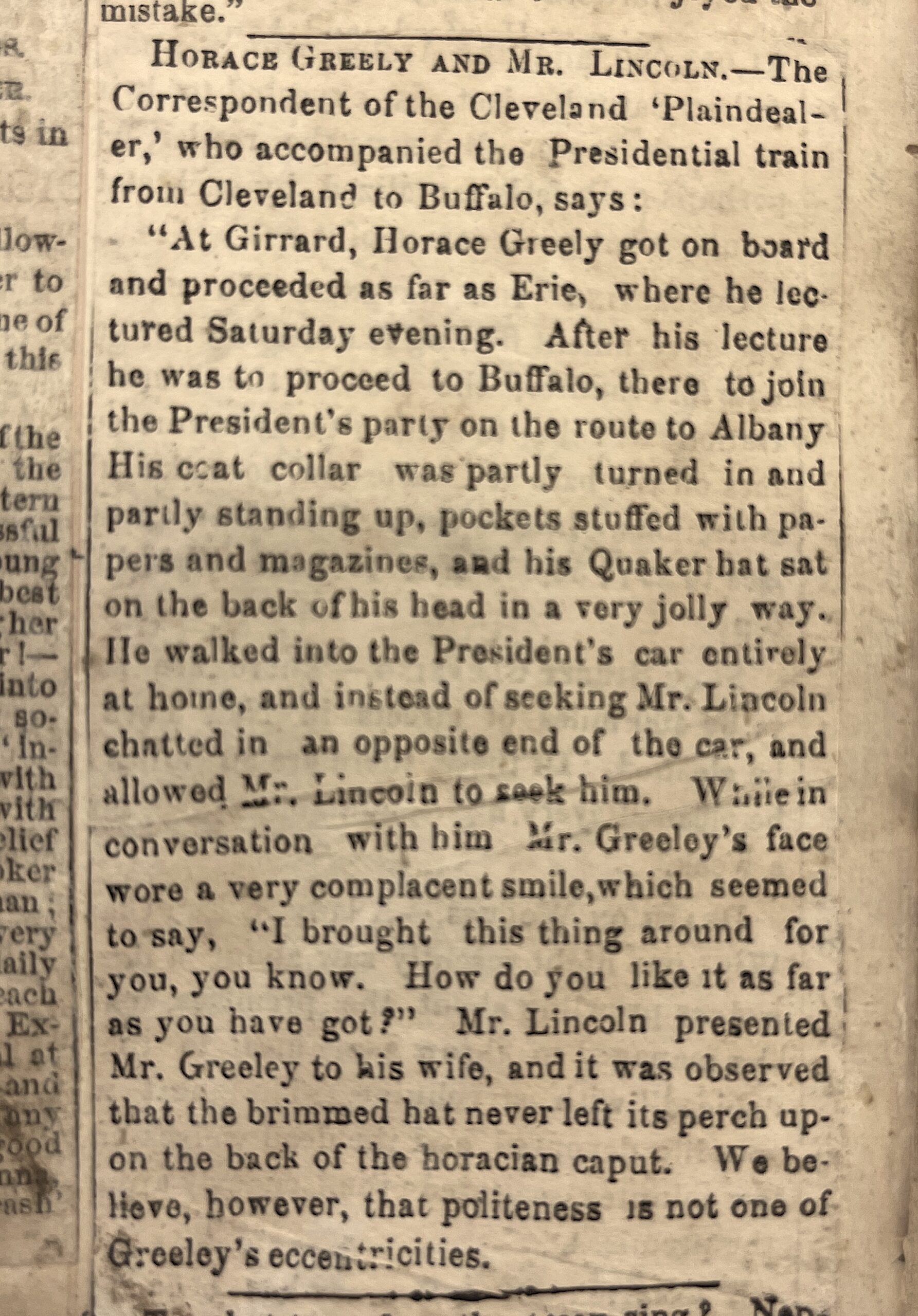
A Cleveland newspaper described Greeley’s entrance: «He walked into the President’s car, entirely at home, and instead of seeking Mr. Lincoln chatted in an opposite end of the car and allowed Mr. Lincoln to seek him… Mr. Lincoln presented Mr. Greeley to his wife, and it was observed that the broad-brimmed hat never once left its perch upon the back of the Horacian caput. We believe, however, that politeness is not one of Mr. Greeley’s eccentricities.»
Greeley later reported on Lincoln’s demeanor: «the President sat listening to the endless whine of office-seekers, and doling out village post offices to importunate or lucky partizans just as though we were sailing before land breezes on a smiling, summer sea; and to my inquiry, ‘Mr. President! Do you know that you will have to fight for the place in which you sit?’ he answered pleasantly, I will not say lightly — but in words that intimated his disbelief that any fighting would transpire or be needed.»
On 18 February 1861, Greeley rejoined the train in Buffalo at 5:45 AM. «Horace Greeley had arrived in Buffalo on Sunday morning after his speaking engagement in Erie. The editor of the New York Tribune attended church services at the Universalist Church and stayed overnight at the Mansion House on Main and Exchange…»
Henry Villard of the New York Herald reported cynically that «Mr. Greeley slept most of the way down, and while in a very graceful position he furnished a subject for the pencils of two artists of New York illustrated papers.»
Joseph Howard Jr. (New York Times)
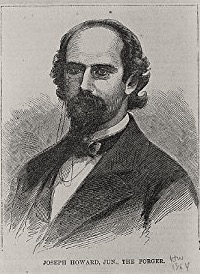
Joseph Howard Jr. (1833–1908) was a prominent American journalist and war correspondent who played a significant role in reporting on Abraham Lincoln’s inaugural journey and later became infamous for his involvement in the Civil War Gold Hoax.
As a top reporter for The New York Times, Howard diligently chronicled Lincoln’s rail journey across the state by Special Train. His detailed account of the segment between Buffalo and Albany on 18 February 1861 was prominently featured on the front page of The New York Times the following morning. Howard’s report provided vivid descriptions of the journey:
«The Presidential party were awakened at the early and inconvenient hour of 4 ½ o’clock this morning.»
He described the stop in Clyde, a town of about 3,000 inhabitants:
«Stepping upon the platform, Mr. Lincoln said: ‘Ladies and Gentlemen: I merely appear before you to say good morning and farewell. I have no time to speak in, and no speech if I had.’»
Howard also mentioned an «enterprising artist» who «had placed upon a convenient wood-pile a camera with which he secured pictures of the rear end of the car, of Mr. Lincoln, Mr. Wood, a brakeman, and an unlucky reporter.»
In another column, Howard specified: «During the entire trip Mr. Lincoln has worn a shocking bad hat, and a very thin old over-coat… Shortly after leaving Utica, Mrs. Lincoln gave an order to William, the colored servant… Since then Mr. Lincoln looked fifty per cent better…»
A few days later, he undermined Abraham Lincoln’s image, spreading the rumor that the President-elect had disguised himself as a Scottish poacher to cross Baltimore.
Howard’s career took a controversial turn during the Civil War. On 18 May 1864, he and fellow reporter Francis A. Mallison were responsible for creating and publishing a forged proclamation falsely declaring another conscription order by President Lincoln and simultaneously investing all his capital in gold. This hoax, known as « Howard’s Proclamation » or the « Great Civil War Gold Hoax, » caused significant disruption in financial markets. Howard was arrested on 20 May 1864, and held as a prisoner of war at Fort Lafayette for 14 weeks. He was released on 22 August 1864, after intervention by Henry Ward Beecher, a friend of Howard’s father — and also because Lincoln ordered the new conscription on 18 July 1864. Howard’s false proclamation turned out to be true.
William T. Tinsley (Lyons Republican)
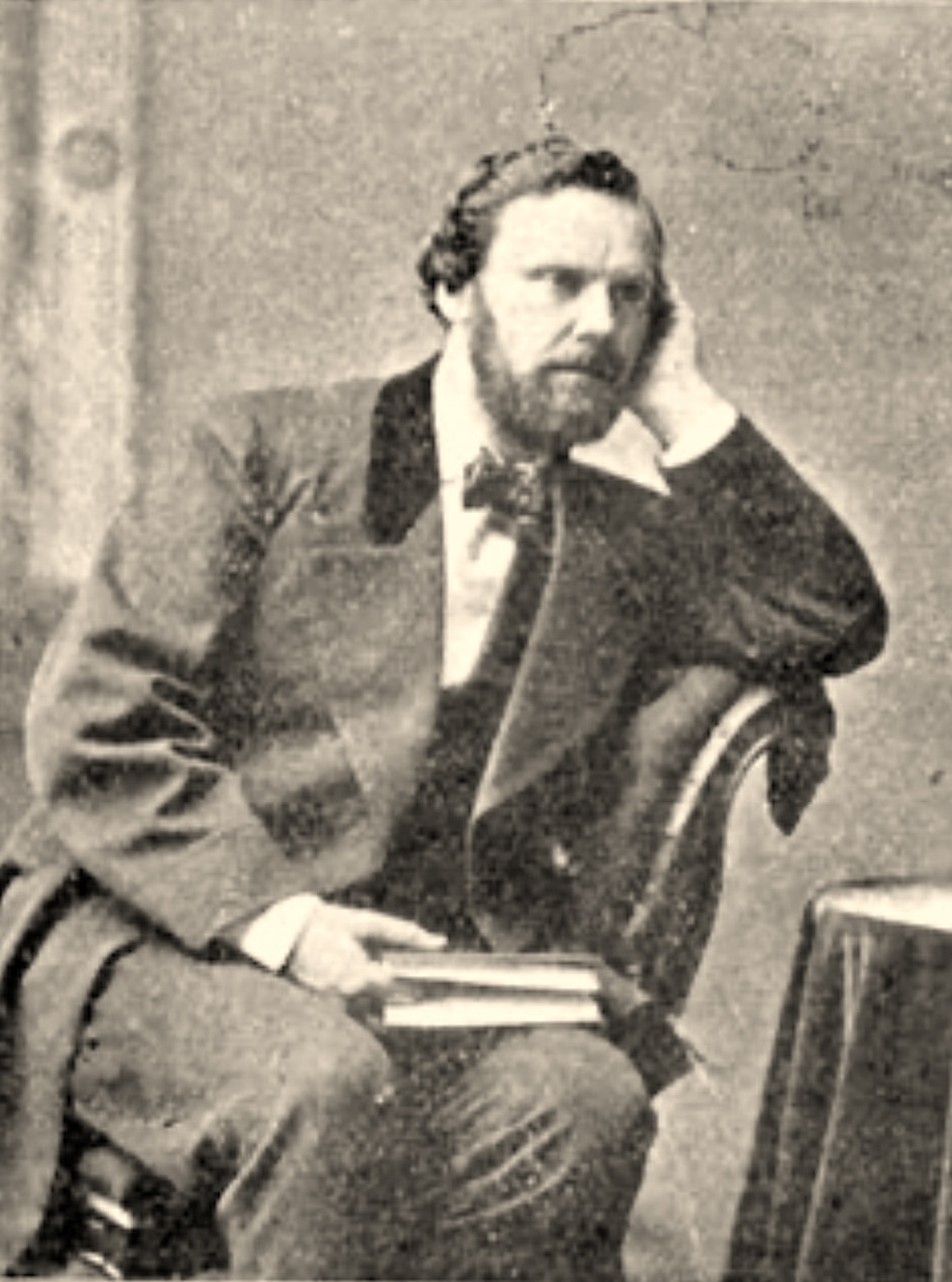
William T. Tinsley (1833–1893), editor and Proprietor of the Lyons Republican from 1859 to 1889, was recognized as one of the leading weekly newspaper publishers in the country in his day. As a local journalist living near Clyde, just 8 miles (13 km) away by road, Tinsley was uniquely positioned to report on events in the area. His proximity to Clyde gave him a distinct advantage in covering local news, including the presidential visit.
Born in Whittlesea, England, Tinsley celebrated his second birthday on shipboard while traveling with his parents to America. His father, an eccentric portrait painter, instilled in him a love for learning and close observation. This early influence contributed to Tinsley’s private library becoming one of the largest in Wayne County. Tinsley pursued a career in the printing trade, working as a journeyman printer in various villages of Western New York and Freeport, Illinois. In 1858, he married Emma Guiteau and settled in Lyons. Starting as the foreman of the Lyons Republican, he eventually purchased the establishment, producing a newspaper that ranked among the leading Republican publications. Tinsley was known for his unwavering integrity.
His detailed account of the stop in Clyde during the presidential visit is considered one of the most precise in technical terms — he is a neighbour and knows all characters:
«A daguerreian artist had made preparations to daguerreotype Mr. Lincoln, and asked that he might stand still on the platform of the car long enough to afford the opportunity. One of the suite sent the ambitious artist an excellent engraved likeness of the President elect.»
It is worth noting that when Tinsley was near home, all the other journalists were confined to the first car, and the bitter cold prevented them from venturing outside. As a result, they served as indirect witnesses and likely obtained the details from Mr. Wood or Lamon.
As of 16 November 2024, we have not been able to access an original or digitized copy of the Lyons Republican issue containing this account. Librarians at the Library of Congress Newspaper department confirmed that no copy is available in any form in any location of the United States.
Josephus Nelson Larned (Buffalo Express)
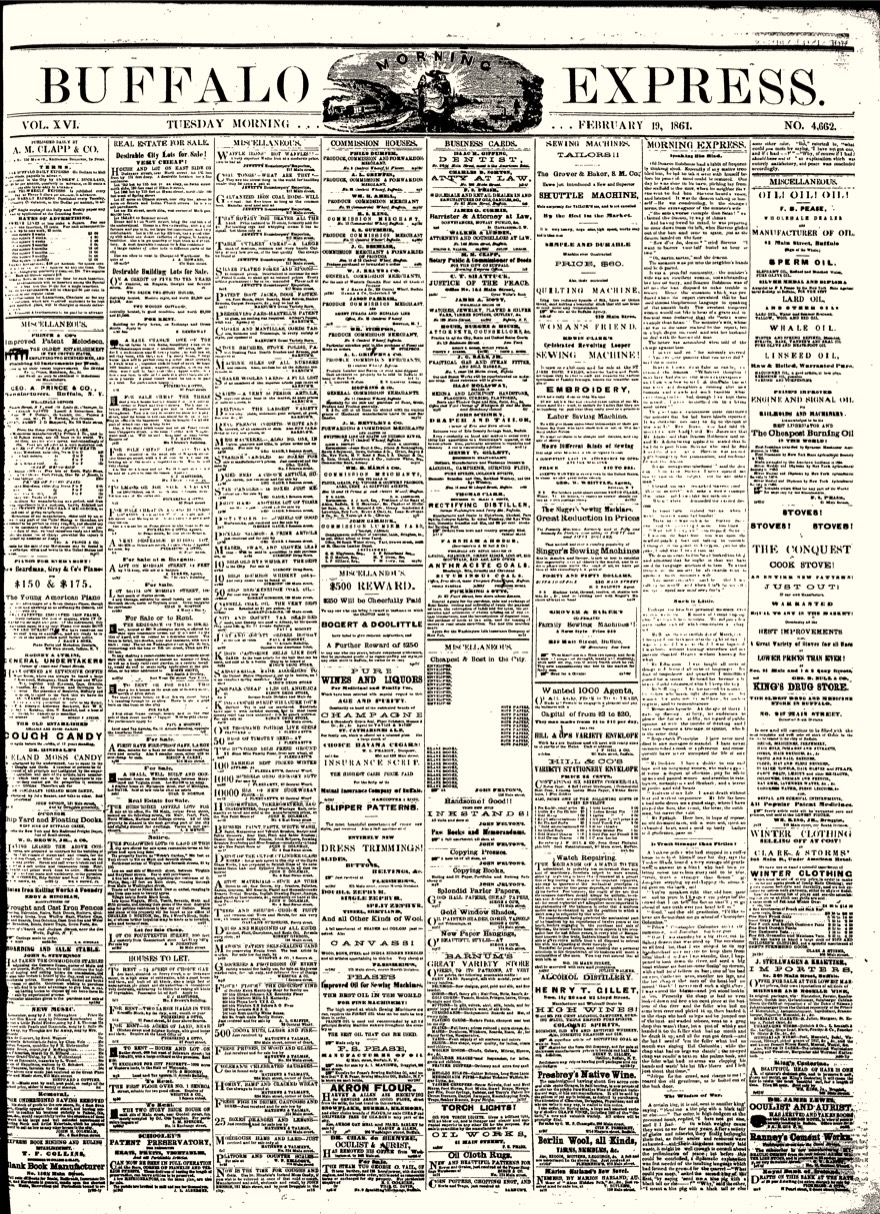
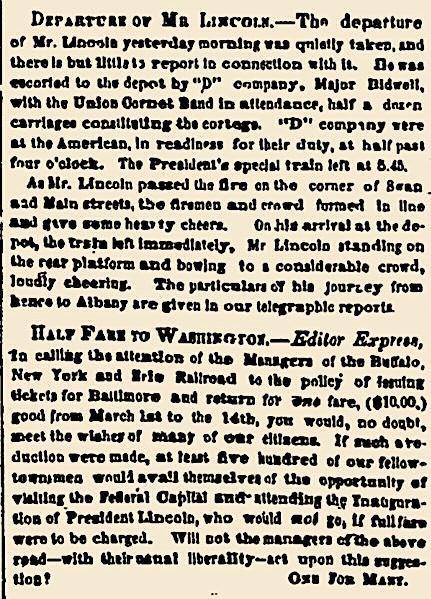
Josephus Nelson Larned’s observations of Abraham Lincoln during his stop in Buffalo in February 1861 provide valuable contemporary insights into the President-elect’s appearance and character. As an experienced journalist and editor for The Buffalo Express, Larned offered a discerning description that is particularly noteworthy:
«We think that the universal opinion among those who have seen Mr. Lincoln is that he possesses a much finer countenance than has been represented either in the portraits or the descriptions that have been published. He is certainly not a handsome man, but there is an expression in his face, much due to the eye that lights it, perhaps, which is pleasing in the extreme.
There is a blending of gravity and goodness in his look, even when his face is in repose, which wins confidence and affection, and satisfies one of his fitness for the great office, with its weighty responsibilities, to which he has been called by the people of the United States. When he smiles he is handsome, and when he bows he is graceful, notwithstanding the bow is a peculiar one, and the form that bends is not of a graceful mould.»
Larned’s insights into Lincoln’s character were prescient. He later wrote:
«And how wise he was! We have heard it disparagingly said that Lincoln had no genius; that he was only a common man with superior common sense. But he was wise with a wisdom which nothing save genius can ever possess. The shrewdly calculating brain of Seward, the large, strong intellect of Chase, the resolute and willful mind of Stanton, could never attain the like of it. He felt the argument and meaning of events. He heard the talk of the people among themselves with an inward ear; he looked into the working of their hearts with an inward eye.»
In 1869, Mark Twain became a partner at the Buffalo Express. Twain avoided writing about politics, leaving that task to Larned, of whom he said: «I shall not often meddle with politics because we have a political editor who is already excellent and who only needs a term in the penitentiary to be perfect.»
To be continued — Episode 8: « Diverse Perspectives on Lincoln’s Appearance — Humble Beginnings, Harris, Rindlaub, Bedell, Pinkerton, Whitman, Brady ».
Sources & Notes
- Villard, Henry. Memoirs of Henry Villard, Journalist and Financier, 1835–1900. Boston: Houghton, Mifflin and Company, 1904.
- Villard, Henry. Dispatch to New York Herald, 19 February 1861.
- Fagant, John. The Best of the Bargain: Lincoln’s Journey to Washington. Albany, NY: State University of New York Press, 2010.
- Howard, Joseph Jr. « Mr. Lincoln’s Journey. » The New York Times, 19 February 1861.
- Howard, Joseph Jr. « The Journey of the President Elect. » The New York Times, 23 February 1861.
- « The Bogus Proclamation. » The New York Times, 19 May 1864. See also Wert, Jeffrey D., « The Great Civil War Gold Hoax, » American History Illustrated 15(1) (1980): 20–24.
- Lyons Republican, February 1861. Exact date and page number unavailable.
- Larned, Josephus Nelson. « The Buffalo Express, » February 1861.
- Larned, Josephus Nelson. « Reflections on Abraham Lincoln, » Buffalo, date unknown.
- Clyde Weekly Times, 27 October 1860.
Laisser un commentaire