The Train That Made Lincoln Visible
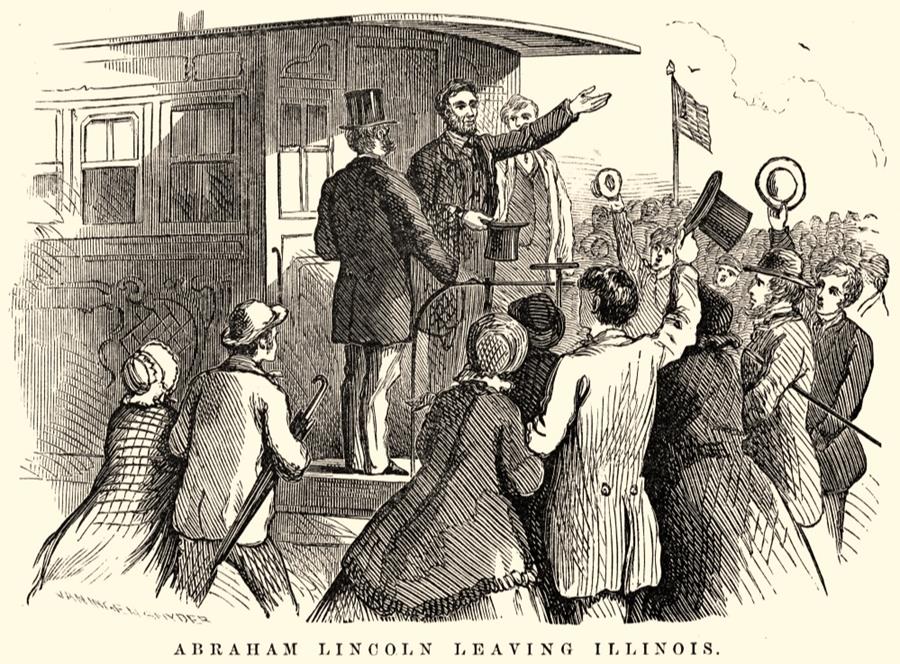
In our first episodes we sketched the portrait of a young village photographer on the banks of the Erie Canal, John B. Roberts — the hero, as it were, of our serial — and the rather extraordinary story of how the single surviving copy of a small-town newspaper turned up: a paper written by one William Tinsley, who reported that young Roberts, the local photographer, had pulled off a remarkable feat — taking a daguerreotype portrait of the President-elect during a very brief stop, just four minutes, in the open countryside, cold and deep in snow.
In this third episode, we propose to introduce the passengers on the train. What they recorded, sometimes without understanding it, was not merely a journey. It was the making of a public figure, almost hour by hour.
It was not easy to account for all the passengers on Lincoln’s train. The journey was a long one, and unlike anything the country had seen before. It may well have been the first great press journey in the Western world, perhaps even the first press journey of its kind in history.
The car itself already had a story. It had been used for the Prince of Wales during his tour of Canada. The Americans had altered it, repainted it, and adapted it to their own purposes. A young entrepreneur named Pullman had studied the matter closely. From such experiments he would build a success that was to change, for many years to come, the way men and women traveled.
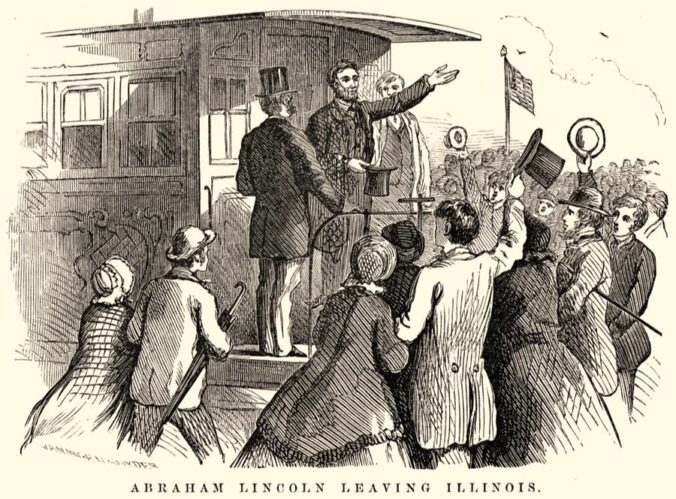
« On the 11th of February, 1861, the arrangements for Mr. Lincoln’s departure from Springfield were completed. It was intended to occupy the time remaining between that date and the 4th of March with a grand tour from State to State and city to city. Mr. Wood, « recommended by Senator Seward, » was the chief manager. He provided special trains, to be preceded by pilot engines all the way through. It was a gloomy day: heavy clouds floated overhead, and a cold rain was falling. Long before eight o’clock, a great mass of people had collected at the station of the Great Western Railway to witness the event of the day.
At precisely five minutes before eight, Mr. Lincoln, preceded by Mr. Wood, emerged from a private room in the station, and passed slowly to the car, the people falling back respectfully on either side, and as many as possible shaking his hand. Having reached the train he ascended the rear platform, and, facing the throng which had closed around him, drew himself up to his full height, removed his hat, and stood for several seconds in profound silence…
There was an unusual quiver on his lip, and a still more unusual tear on his furrowed cheek. His solemn manner, his long silence, were as full of melancholy eloquence as any words he could have uttered. »
(Lamon, Ward H. “Recollections of Abraham Lincoln.” Ed. Dorothy Lamon Teillard, 1911)
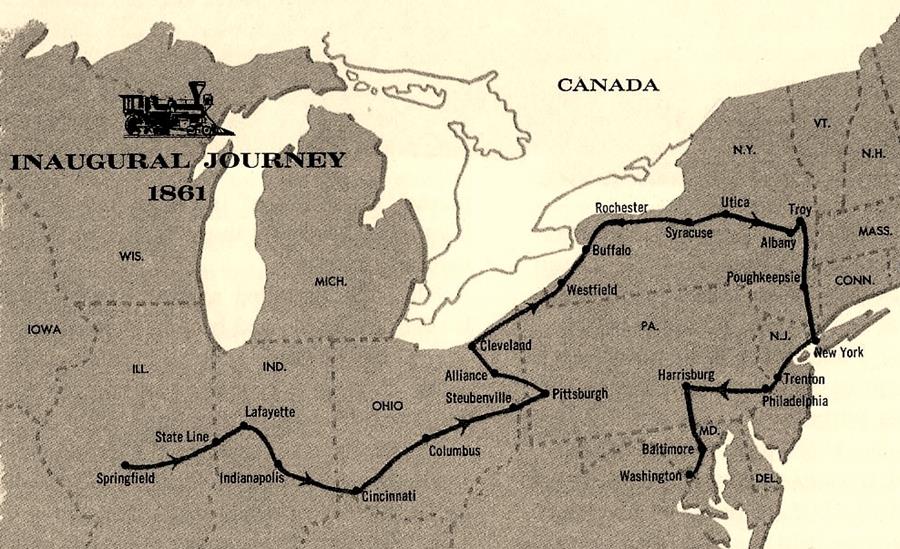
The journey of President-elect Abraham Lincoln from Springfield to Washington in February 1861 brought together a remarkable assortment of people. Drawing on Villard’s Memoirs and John Fagant’s research, we may compile a fairly complete list of his traveling companions.
Family: Abraham Lincoln; Mary Todd Lincoln; Robert T. Lincoln, the eldest son, aged seventeen; Willie Lincoln, ten; Tad Lincoln, seven; Elizabeth Todd Grimsley, Mrs. Lincoln’s cousin; William Johnson, Lincoln’s African-American servant.
Political associates and friends: Norman B. Judd, leader of the Illinois Republican Party; Judge David Davis, of the Illinois Circuit Court; Ward Hill Lamon, Lincoln’s friend and bodyguard; Dr. W. S. Wallace, Lincoln’s brother-in-law and personal physician; Lockwood Todd, a relative of Mrs. Lincoln.
Staff: John G. Nicolay, private secretary; John Hay, assistant secretary; W. S. Wood, Superintendent of Arrangements.
Military escort: Colonel Edwin Vose Sumner; Major David Hunter; Captain John Pope; Captain George Hazard; Colonel E. E. Ellsworth, the famous « Zouave » militia leader. All of them U.S. Army.
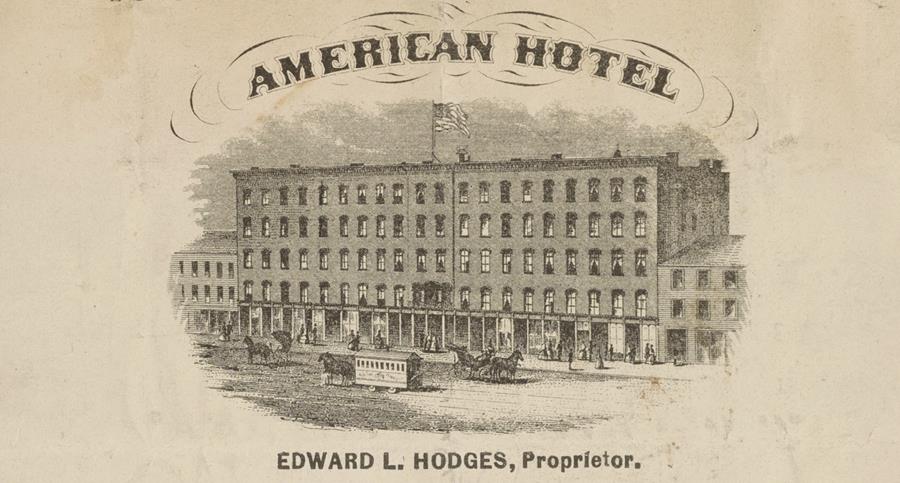
John Fagant uncovered, in the register of the American Hotel in Buffalo, the list of those who stayed there on the night of Saturday, 16 February 1861.
The clerk had carefully recorded how the rooms were assigned: « A. Lincoln and Lady », « Two children and servant », « Robert T. Lincoln (son of Mr. Lincoln) ». Robert, at seventeen, was already lodged apart – a young Harvard man traveling with his father. It is an extraordinary thing to have come down to us.
Journalists from the great newspapers had been formally invited on board: The New York Times, New York Tribune, New York World, New York Herald, Frank Leslie’s Illustrated Newspaper, Philadelphia Inquirer, Cincinnati Gazette, Chicago Tribune, Cleveland Dealer, Associated Press, Western Telegraph Company.
Three smaller papers, however, had not received that honor – the Rochester Democrat and Union, the Syracuse Journal and Democrat, and the Wayne County Lyons Republican. Their men would have to find their own way to the train, along the route. As we shall see, one of them did, and it is to him we owe what little we know of Clyde.
Reporters joined the train, left it, caught up again, sent telegrams, filed dispatches, slept, complained, watched, misunderstood, exaggerated.
It was, in some ways, the beginning of a tradition that has never since ended: the press pool that travels with the President.
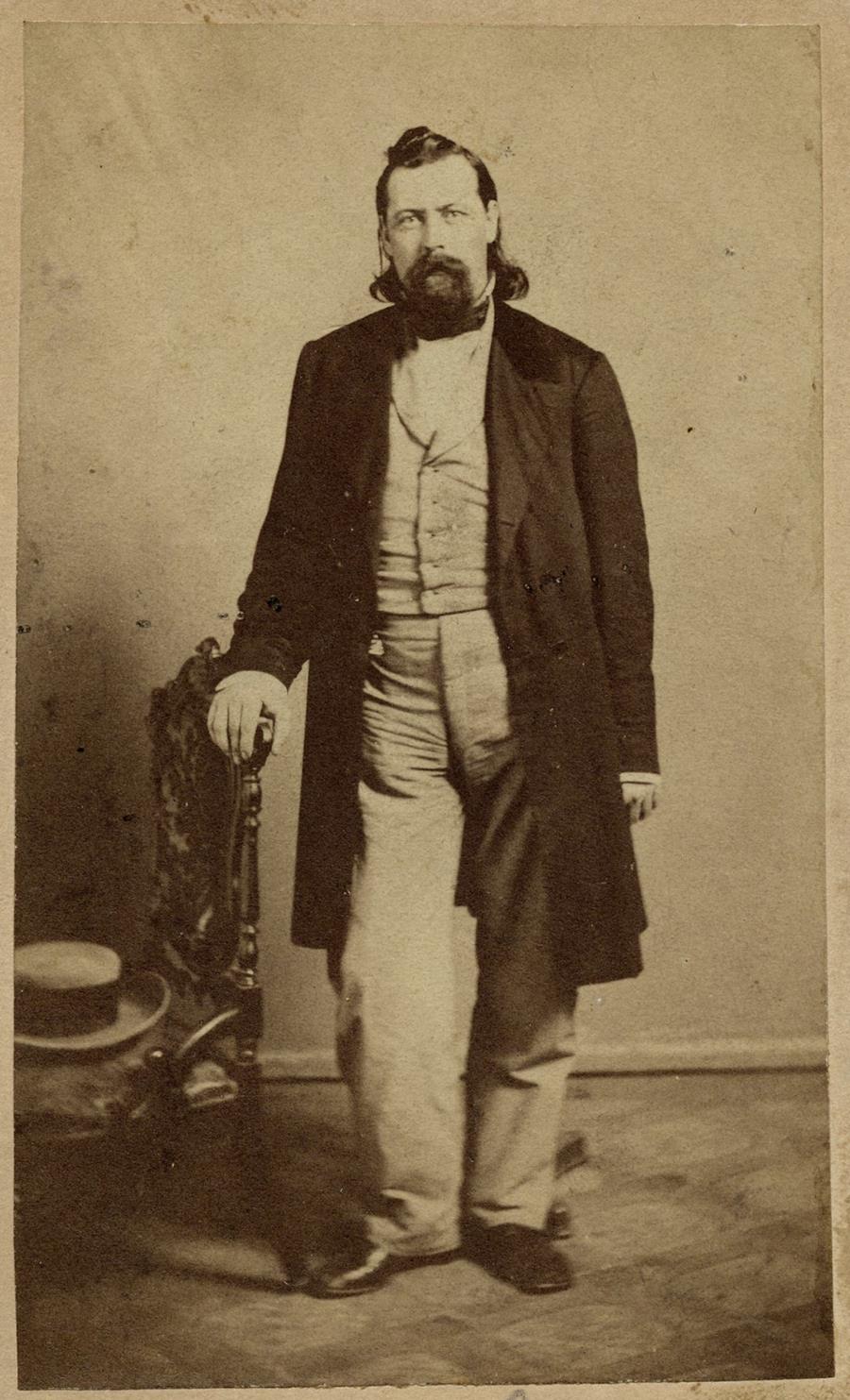
Ward Hill Lamon (1828–1893) was Lincoln’s close friend and self-appointed bodyguard for many years. During the inaugural journey he played two essential roles. First, he intercepted alarmist messages from Allan Pinkerton, the detective hired to protect the President-elect, sparing Lincoln the worst of the anxieties they conveyed until the arrival in New York City, 19 February 1861.Second, he moved between the cars of the train, serving as the chief liaison between the presidential car and the reporters’ car behind. Whatever the journalists were to know about events near the front of the train, they would learn from him.He had known Lincoln from their early years in Illinois. As Lincoln once confided to him, « from boyhood up my ambition was to be President. » Lamon’s protective instincts often expressed themselves with brute simplicity. General James Harrison Wilson recalled an occasion when Lamon struck a man who had painfully grasped Lincoln’s hand. The President-elect’s response was characteristic: « For God’s sake, Ward, give the man a chance! The next time you hit him, hit him with an axe handle! »The 18th of February 1861 has been called « the last quiet day in Abraham Lincoln’s life. » From the next evening onward, security concerns would steadily grow. Lamon would remain at his post for the rest of Lincoln’s presidency, the President often tempering his zeal with humor and compassion.
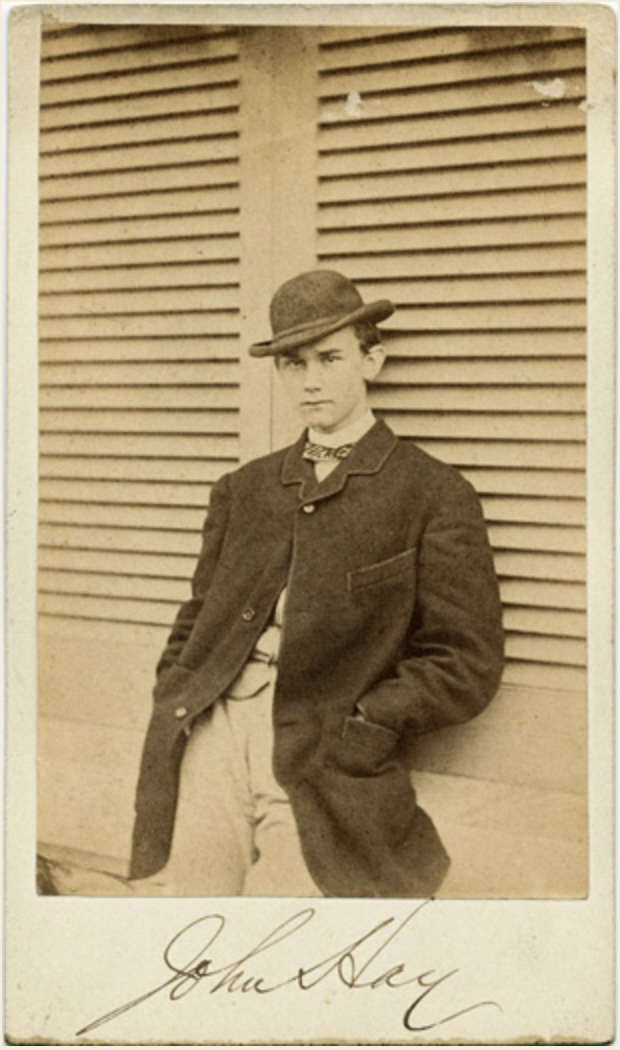
John Hay, who deeply resented having to awake so early, called down maledictions on the organizer of the trip, William S. Wood. The young secretary (he was only twenty-two) summarized the journey across the Empire State in three words: « crowds, cannon, and cheers » — and painted a composite picture of the day’s images:
« Such crowds — surging through long arches, cursing the military and blessing Old Abe; swinging hats, banners, handkerchiefs, and every possible variety of festival bunting, and standing with open mouths as the train, relentlessly punctual, moved away. The history of one is the history of all; depots in waves, as if the multitudinous seas had been let loose, and its billows transformed into patriots, clinging across roofs and balconies and pillars, fringing long embankments, swarming upon adjacent trains of motionless cars, shouting, bellowing, shrieking, howling, all were boisterous; all bubbling with patriotism. The enthusiasm for the President was spontaneous and universal; and when we reached Albany, everybody present congratulated himself that he had been a witness of one of the most memorable of triumphal processions which this or any other country has ever witnessed. »
In Albany on the afternoon of 18 February (only a few hours after the Clyde stop) Lincoln addressed the legislature of the State of New York.
Of the moment, Hay wrote that it was « impossible to describe the applause and the acclamation with which this Jacksonian peroration was greeted. The arches of the depot echoed and re-echoed with the ring of countless cheers. Men swung their hats wildly, women waved their handkerchiefs, and, as the train moved on, the crowd, animated by a common impulse, followed, as if they intended to keep it company to the next station. Inside the cars the enthusiasm created by the conclusion of the speech was scarcely less than the outside assemblage had exhibited. The company evinced a general disposition to intone hurrahs and sing patriotic songs out of tune. »
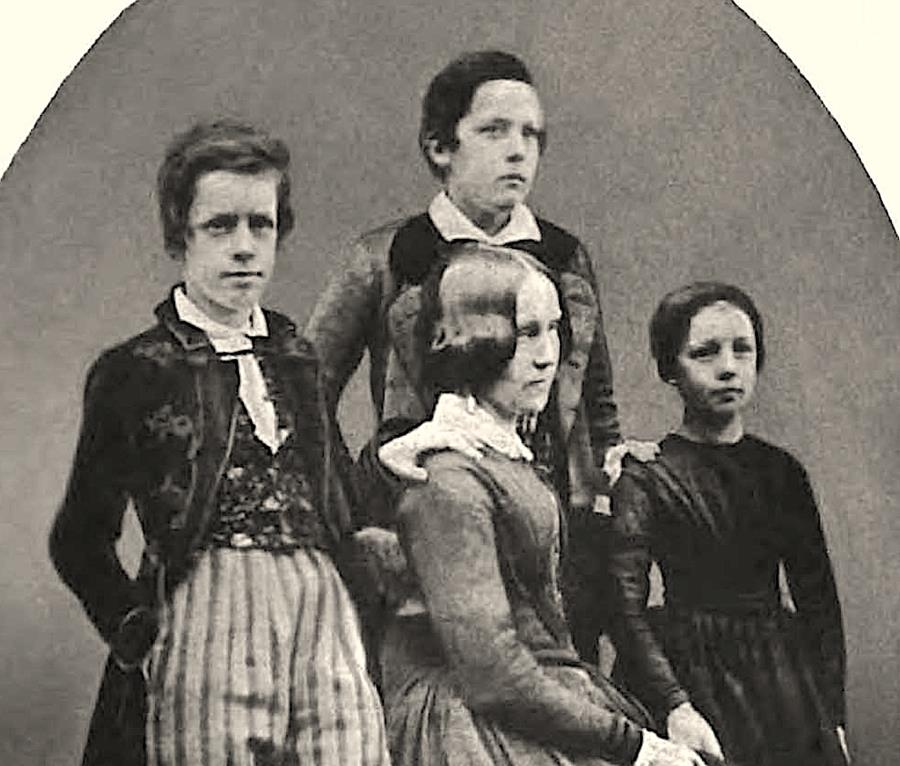
The birth name of Henry Villard was Ferdinand Heinrich Gustav Hilgard, from the German city of Speyer. As a teenager, he emigrated to the United States in the 1850s without his parents’ knowledge. He changed his name to Henry Villard, the name of a French friend, to avoid being sent back to Europe, and began making his way west, briefly studying law as he developed a career in journalism. He was, in February 1861, a young American journalist of the New York Herald — soon to become a war correspondent, and, much later, a financier of impressive fortune.
Villard had followed Mr. Lincoln for the previous three months, since his election. On 19 February he filed his last dispatch, on the train ride from Albany to New York City:
« In the special car were Mr. and Mrs. Lincoln and their suite… Martin J. Townsend, a Chicago delegate, and a great friend of Thurlow Weed, was also on board; but Mr. Lincoln was so unwell and fatigued that he seemed to take very little interest in the political conversation. Mrs. Lincoln chit-chatted with her friends, and seemed all life and enjoyment…
« It was plain to see that the Lincolns are common sense, homelike folks unused to the glitter and flutter of society. Towering above all, with his face and forehead furrowed by a thousand wrinkles, his hair unkempt, his new whiskers looking as if not yet naturalized, his clothes illy arranged, Mr. Lincoln sat toward the rear of the saloon car… »
More than thirty years later, Villard returned to those days in his Memoirs, published posthumously in 1904:
« In different localities pleasant variations were offered in the way of serenades, torchlight processions, and gala theatrical performances. Altogether, the President had every reason to feel flattered and encouraged by the demonstrations in his honor. But the journey was a very great strain upon his physical and mental strength, and he was well-nigh worn out when he reached Buffalo. He must have spoken at least fifty times during the week.
« In the kindness of his heart — not from any love of adulation, for he really felt very awkward about it — he never refused to respond to a call for his appearance wherever the train stopped.
« While he thus satisfied the public curiosity, he disappointed, by his appearance, most of those who saw him for the first time. I could see that impression clearly written on the faces of his rustic audiences. Nor was this surprising, for they certainly saw the most unprepossessing features, the gawkiest figure, and the most awkward manners.
« After ten days of the wearisome sameness of the ‘performances’ at the several halting-places, I was very sick of the ‘traveling show,’ and I therefore asked to be relieved from my duties on reaching New York. My request was granted, and I remained behind. »
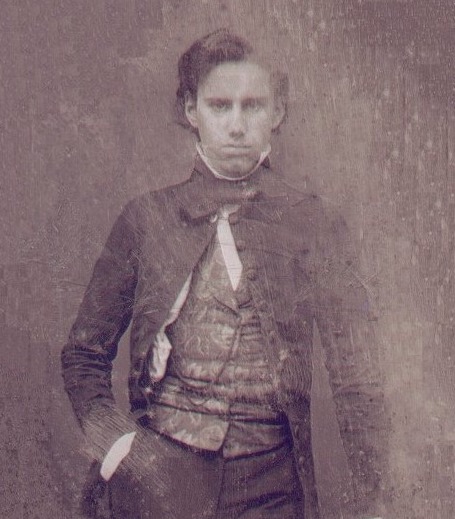
Joseph Howard Jr. (1833-1908) was a prominent American journalist and war correspondent who played a significant role in reporting on Abraham Lincoln’s inaugural journey and later became infamous for his involvement in the Civil War Gold Hoax.
As a top reporter for The New York Times, Howard diligently chronicled Lincoln’s rail journey across the state by Special Train. His detailed account of the segment between Buffalo and Albany on 18 February 1861, was prominently featured on the front page of The New York Times the following morning. Howard’s report provided vivid descriptions of the journey, including: “The Presidential party were awakened at the early and inconvenient hour of 4 ½o’clock this morning.”
Howard, sitting in the reporters’ car, did not himself witness the scene at Clyde. But through Lamon’s report, he was able to write the following morning about an « enterprising artist » who « had placed upon a convenient wood-pile a camera with which he secured pictures of the rear end of the car, of Mr. Lincoln, Mr. Wood, a brakeman, and an unlucky reporter ».
A few days later, Howard would deal his subject a more lasting wound. He spread the story that Lincoln, fearing for his life, had passed through Baltimore disguised in a Scotch cap and a long military cloak — a caricature that stuck, and that the President-elect would never quite live down.
Howard’s career would not always sustain such dignity. In May 1864, he and a fellow reporter forged a presidential proclamation announcing a new conscription, having taken care to invest first in gold. The hoax caused havoc on the financial markets; Howard spent fourteen weeks in Fort Lafayette as a prisoner of war. He was released on 22 August 1864 — partly through the intervention of Henry Ward Beecher, a friend of his father, and partly because, by then, Lincoln had in fact issued the conscription order that Howard had forged. His lie had become true.
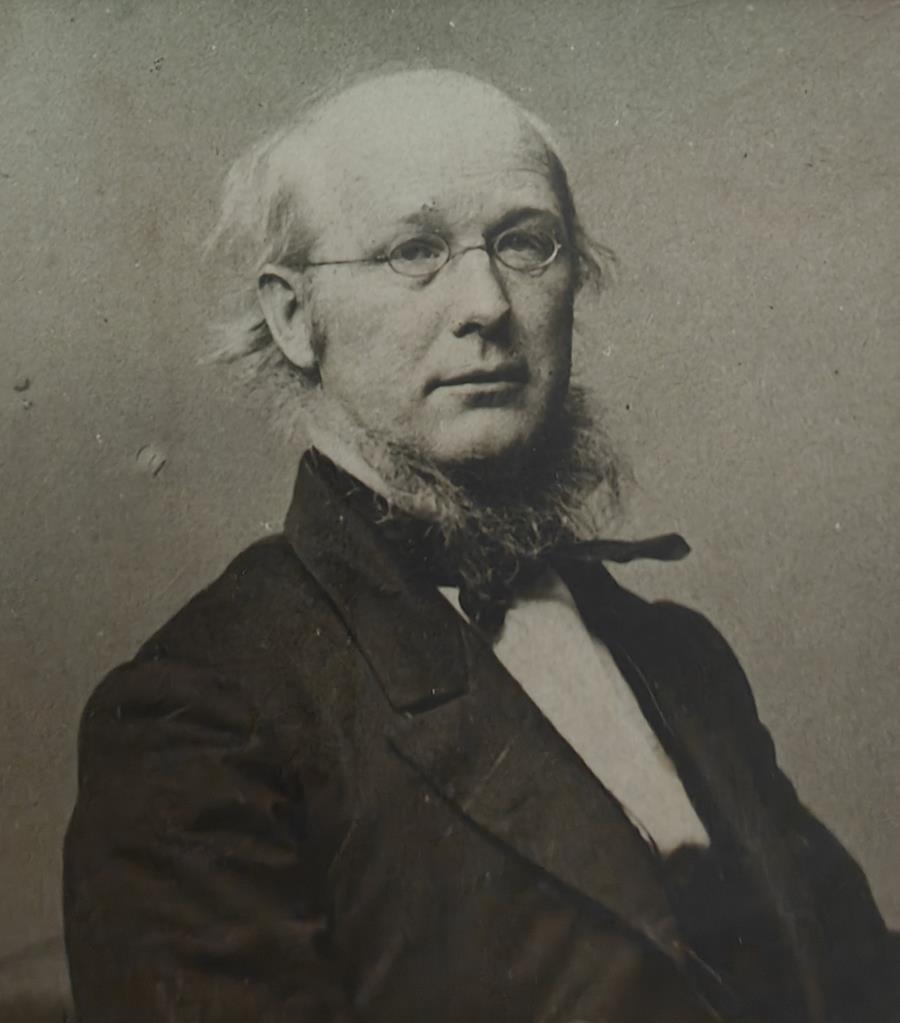
On 16 February 1861, in the northwestern corner of Pennsylvania, the train received an unexpected passenger: Horace Greeley, owner and editor of the New York Tribune. Best remembered today for his celebrated injunction « Go West, young man, » Greeley was a major power in Republican politics. A strong opponent of slavery, he had attended the 1860 Convention in Chicago, where he had played an influential role in Lincoln’s nomination.
His entrance was reported with some malice by a Cleveland correspondent:
« He walked into the President’s car, entirely at home, and instead of seeking Mr. Lincoln chatted in an opposite end of the car and allowed Mr. Lincoln to seek him … Mr. Lincoln presented Mr. Greeley to his wife, and it was observed that the broad brimmed hat never once left its perch upon the back of the Horacian caput. We believe, however, that politeness is not one of Mr. Greeley’s eccentricities. »
Greeley later recalled the singular calm with which Lincoln endured the importunities of patronage-seekers: « the President sat listening to the endless whine of office-seekers, and doling out village post offices to importunate or lucky partizans just as though we were sailing before land breezes on a smiling, summer sea; and to my inquiry, ‘Mr. President! Do you know that you will have to fight for the place in which you sit?’ he answered pleasantly — I will not say lightly — but in words that intimated his disbelief that any fighting would transpire or be needed. »
Greeley left the train, attended to other business, and rejoined it in Buffalo on 18 February at a quarter to six in the morning. He had spent the previous evening at the Universalist Church and the night at the Mansion House. Henry Villard, of the New York Herald, observed the great editor with his customary cynicism: « Mr. Greeley slept most of the way down, and while in a very graceful position he furnished a subject for the pencils of two artists of New York illustrated papers. »
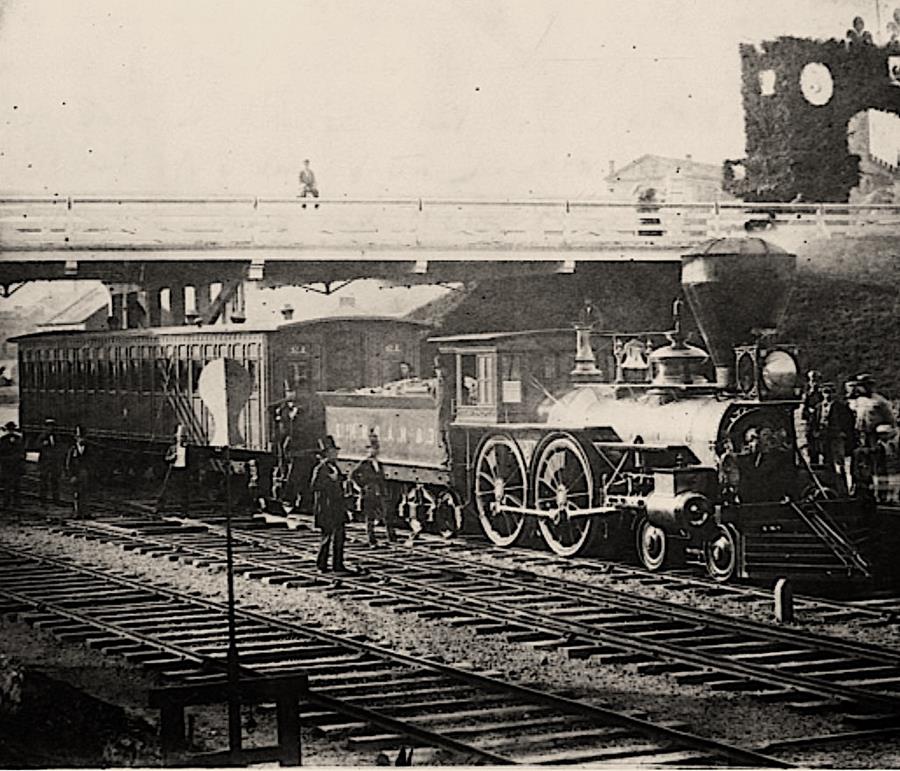
Let us turn now to the train itself. From the start of the journey to Utica, and in particular on the morning of Monday, 18 February, it consisted of three cars: a baggage car (partly fitted out as a smoking car) connected to the locomotive; a « commodious and neatly arranged passenger coach » for the committee members, Governor Morgan’s escort, and the press from various cities; and at the rear, the sleeping car for Lincoln and his family, « gorgeously fitted up with sofas, centre tables, mirrors and carpets. »
The Buffalo Express observed: « Over the State Line and Central roads the President elect will experience almost as much luxury in his travel as was enjoyed by the Prince of Wales last fall. »
Indeed, Robert S. Harper noted that Lincoln was traveling « in a car used a few months previously by the Prince of Wales. » It had been built in Brantford, Ontario, for the Prince’s 1860 visit, and the Toronto Star had described it with the kind of detail the period reserved for fine objects:
« The inside of the car is chaste, tasteful and elegant… The window curtains are of fine Canary silk, mounted on patent spring rollers and having silk tassels, by the slightest pull of which one can raise or lower the curtains at pleasure, and with the most perfect ease… »
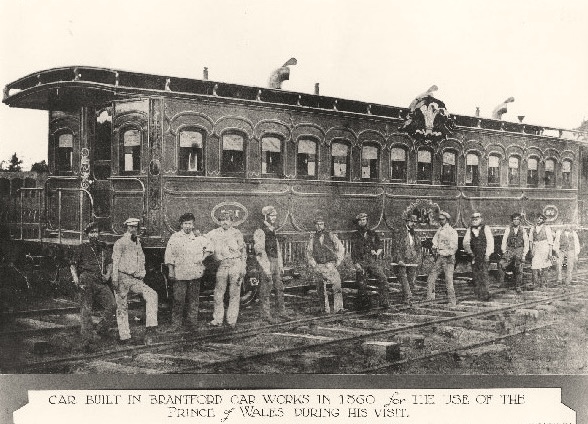
Lincoln would ride in a brand-new sleeping car, « tastefully furnished and decorated, » equipped with an « improved ventilator, » and pulled by the swiftest and most modern locomotives. As for the route, as the record shows, it was inspired by political obligations and by Lincoln’s own wish to see, for the first time in his life, the citizens who had elected him without ever having seen him, and to thank them, face to face.
At first, William S. Wood (1823–1883) proved a thorough organizer. He knew better than most that the nation’s rapidly expanding rail systems were still dizzyingly incompatible — track gauge, equipment, even local time zones — and he chose a route that offered Lincoln ample exposure in major cities without delaying his arrival in Washington. He also took charge of the lodging arrangements along the way.
Wood’s zeal soon turned overzealous, especially regarding the President’s wardrobe. During the New York stop on 20 February 1861, he had a new suit made for Lincoln on his own initiative – neither requested nor paid for. By summer 1861 he had been exposed as corrupt by Samuel A. Hopkins, a would-be government printer, and was replaced on 6 September 1861. Mrs. Lincoln, who had once relied on him as a shopping companion, was relieved by the change, calling him « unprincipled » and « a very bad man. »
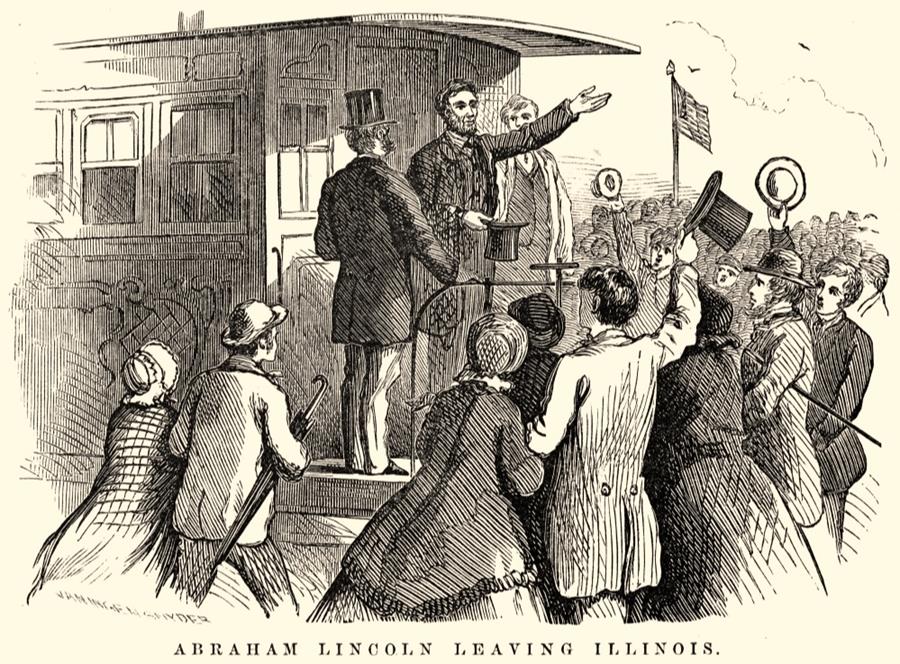
Of the twelve nights of the journey, more than forty percent were spent in the cities of New York State — two in Buffalo, one in Albany, two in New York City. In 1860, with a population of 3.8 million, New York was the largest state in the Union.(figures from John Fagant, The Best of the Bargain, 2010).
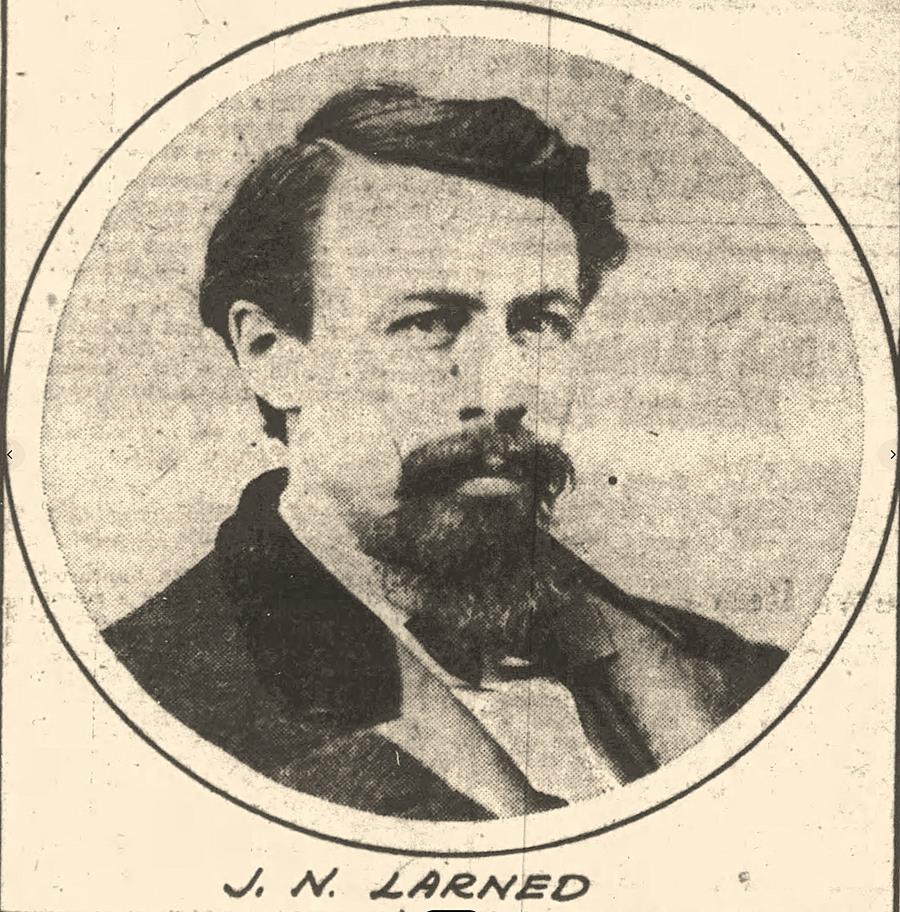
Whether Larned actually rode the train remains uncertain — what is certain is that the editor of the Buffalo Express observed Lincoln closely during his stop in Buffalo, and left a remarkable description of the President-elect:
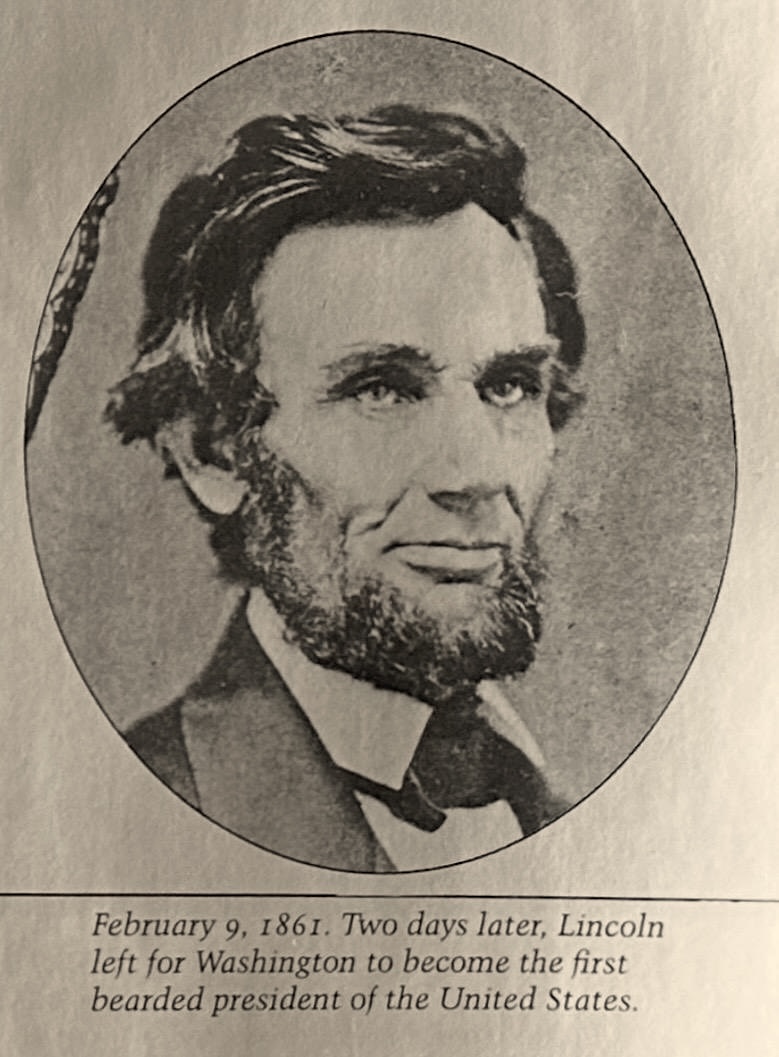
« We think that the universal opinion among those who have seen Mr. Lincoln is that he possesses a much finer countenance than has been represented either in the portraits or the descriptions that have been published. He is certainly not a handsome man, but there is an expression in his face, much due to the eye that lights it, perhaps, which is pleasing in the extreme.
« There is a blending of gravity and goodness in his look, even when his face is in repose, which wins confidence and affection, and satisfies one of his fitness for the great office, with its weighty responsibilities, to which he has been called by the people of the United States. When he smiles he is handsome, and when he bows he is graceful, notwithstanding the bow is a peculiar one, and the form that bends is not of a graceful mould. »
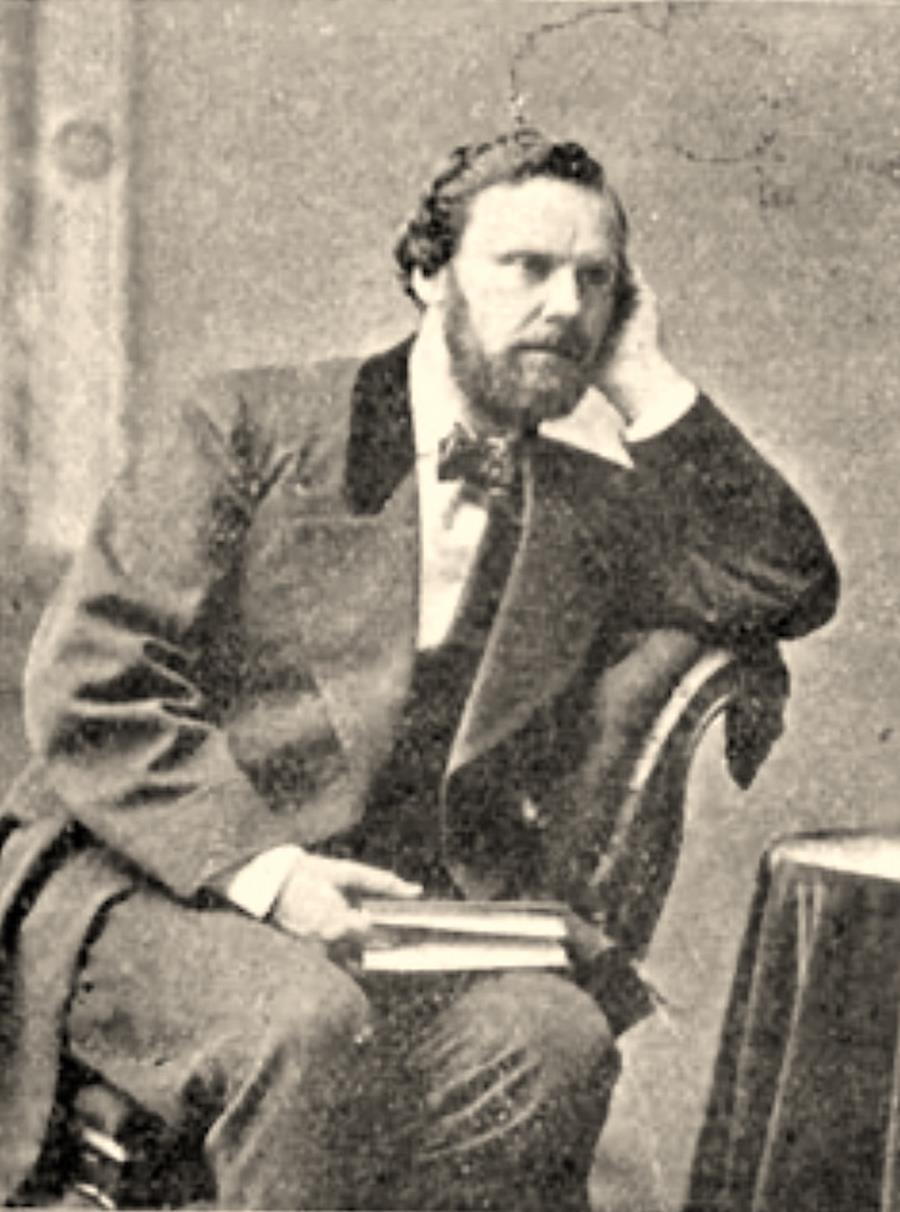
The newspaper men inside the second coach could not step down, but they spent their time inquiring after everything that happened along the way, keeping a kind of running log. Through Ward Lamon, perhaps, or through the trainman, they learned that an extraordinary thing had just taken place: a photographer had managed, very quickly indeed, to set up his tripod and camera upon a woodpile that happened to be lying along the track, and had taken a daguerreotype of the President-elect.
On the rear platform of the train, at that very moment, there were exactly four men: the brakeman, the trainman, the local newspaper editor, Joseph A. Pain of the Clyde Weekly Times, who had come to shake hands on behalf of the townspeople who could not be there, and the President-elect himself.
One large question remains. Why did the local newspaper man say nothing of the photograph? That is something we still have to puzzle out.
One more figure aboard the train we have yet to introduce. Mrs. Lincoln herself, the wife of the President-elect, and she is about to take, less than three hours later, a most remarkable initiative of her own.
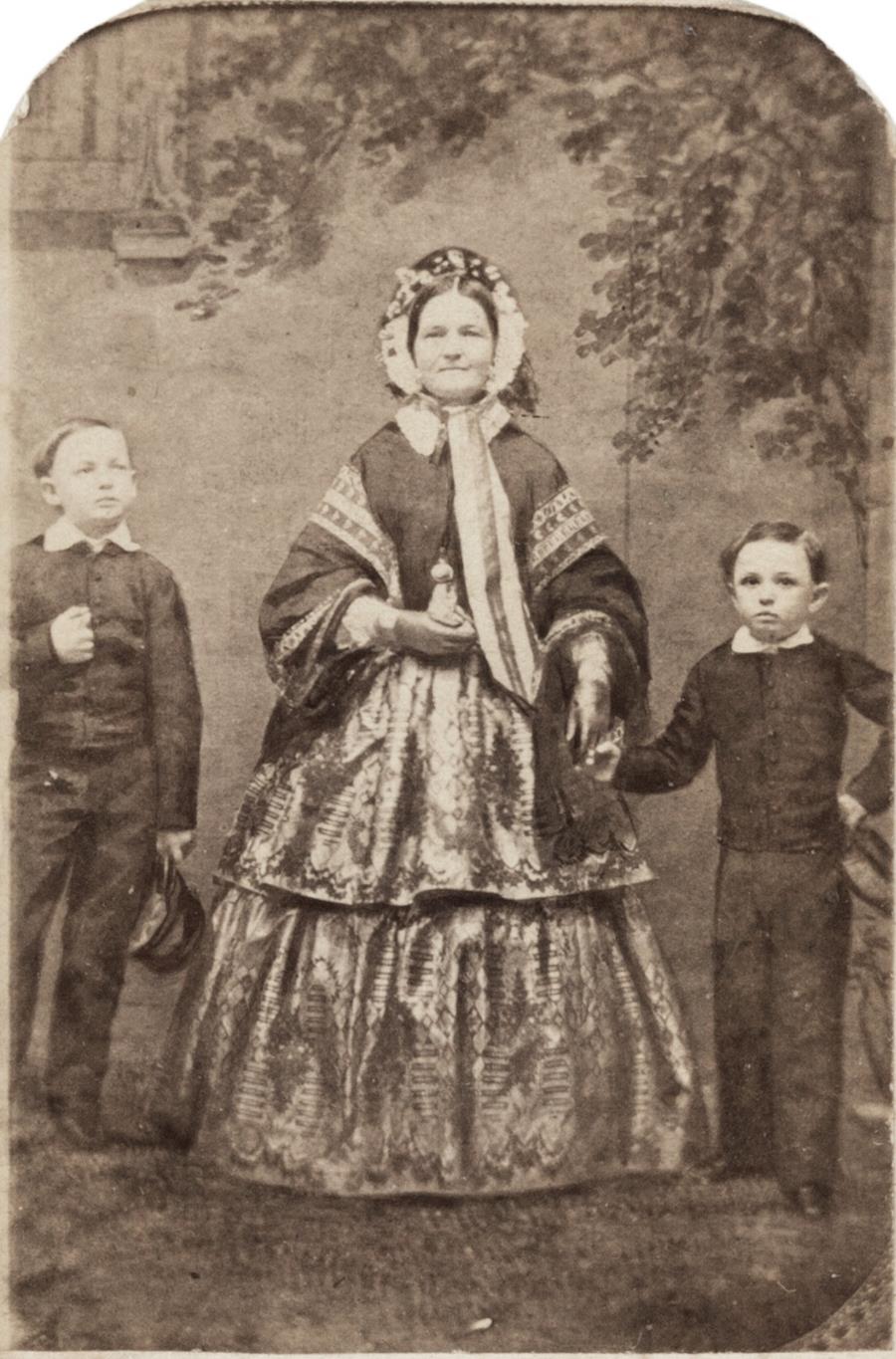
Mary Todd Lincoln and her two youngest sons joined the special train in Indianapolis, one day after leaving Springfield.
Mary Todd does not seem to have been directly involved in the unusual photo session that morning at Clyde. Perhaps the whole episode was over before she could intervene.
However, she appears to have realized at that moment the importance of her husband’s image, and to have decided to modify it before arriving in the elegant cities of Albany and New York. The journalists on board the train will record what happens in the next hours, when Mrs. Lincoln decides to improve her husband’s physical appearance.
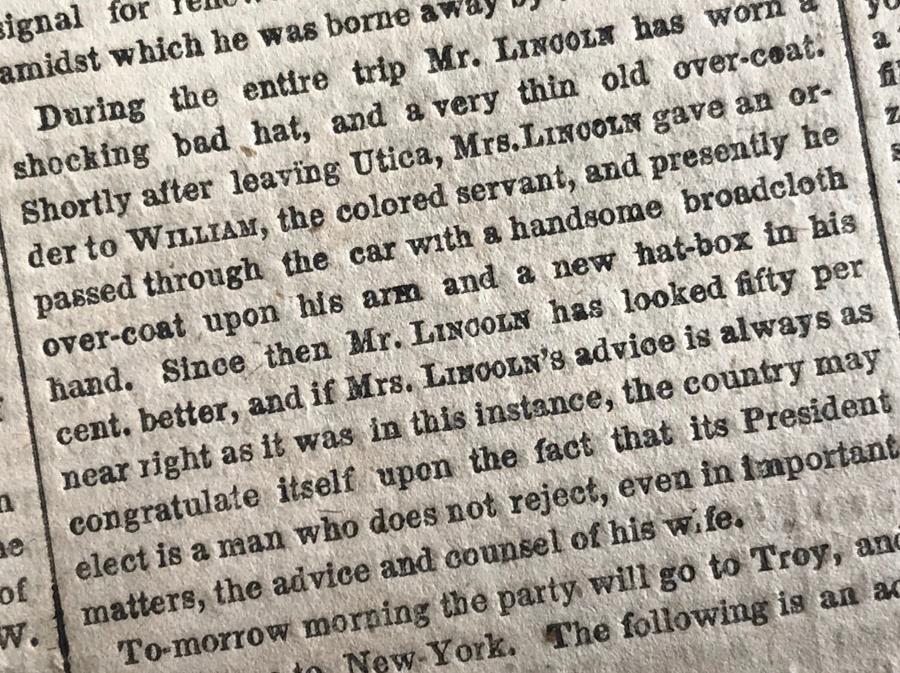
The New York Times of the following morning told it thus:
« During the entire trip Mr. Lincoln has worn a shocking bad hat, and a very thin over-coat. Shortly after leaving Utica, Mrs. Lincoln gave an order to William… »
Enough was enough. She sent the servant, William Johnson, to the baggage compartment. He returned a few minutes later carrying a new hat box and a clean broadcloth over-coat. The New York Times concluded:
« All on the train felt that his appearance was improved by fifty percent. If Mrs. Lincoln’s advice is always as near right as it was in this instance, the country may congratulate itself upon the fact that its President elect is a man who does not reject, even in important matters, the advice and counsel of his wife. »
Less than twenty-four hours later, in Manhattan on 19 February, William S. Wood paid a visit to a tailor of his own choosing, and ordered — on no one’s authority but his own — a set of suits for the inauguration of 4 March. The story of those suits we have already told. Two interventions, on two successive days. One would be remembered with affection. The other would end in scandal.
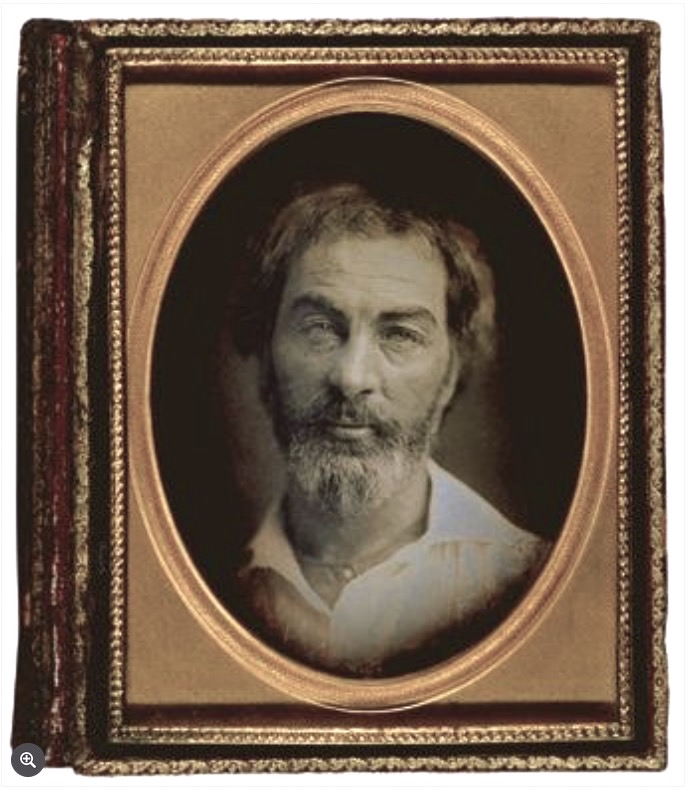
The new hat, the new coat — they would be tested on Broadway that very afternoon, before a New York crowd that was not yet ready to love its President-elect. One witness, more attentive than any journalist, has left us the scene. Walt Whitman saw Lincoln arrive in New York and would never forget it:
“I shall not easily forget the first time I ever saw Abraham Lincoln. It was a rather pleasant afternoon in New York City, as he arrived there from the West, to remain a few hours and then pass on to Washington to prepare for his inauguration. I saw him in Broadway, near the site of the present post office. He came down, I think from Canal Street, to stop at the Astor House.
“The broad spaces, sidewalks, and street in that neighborhood and for some distance were crowded with solid masses of people – many thousands. The omnibuses and other vehicles had all been turned off, leaving an unusual hush in that busy part of the city.
“Presently two or three shabby hack barouches made their way with difficulty through the crowd and drew up at the Astor House entrance. A tall figure stepped out of the center of these barouches, paused leisurely on the sidewalk.
“There were no speeches, no compliments, no welcome — as far as I could hear, not a word said. Still, much anxiety was concealed in that quiet.
“Cautious persons had feared some marked insult or indignity to the president-elect — for he possessed no personal popularity at all in New York City and very little political. But it was evidently tacitly agreed that if the few political supporters of Mr. Lincoln present would entirely abstain from any demonstration on their side, the immense majority — who were anything but supporters — would abstain on their side also. The result was a sulky, unbroken silence, such as certainly never before characterized a New York crowd.
“From the top of an omnibus (driven up on side, close by, and blocked by the curbstone and the crowds) I had, I say, a capital view of it all and especially of Mr. Lincoln: his looks and gait; his perfect composure and coolness; his unusual and uncouth height; his dress of complete black, stovepipe hat pushed back on his head; dark-brown complexion; seamed and wrinkled yet canny-looking face; black, bushy head of hair; disproportionately long neck; and his hands held behind, as he stood observing the people.
“He looked with curiosity upon that immense sea of faces, and the sea of faces returned the look with similar curiosity. In both there was a dash of comedy, almost farce, such as Shakespeare puts in his blackest tragedies … »
Walt Whitman, « The Death of Abraham Lincoln, » lecture, New York, 14 April 1879; and Specimen Days in America, London: Walter Scott, 1887.
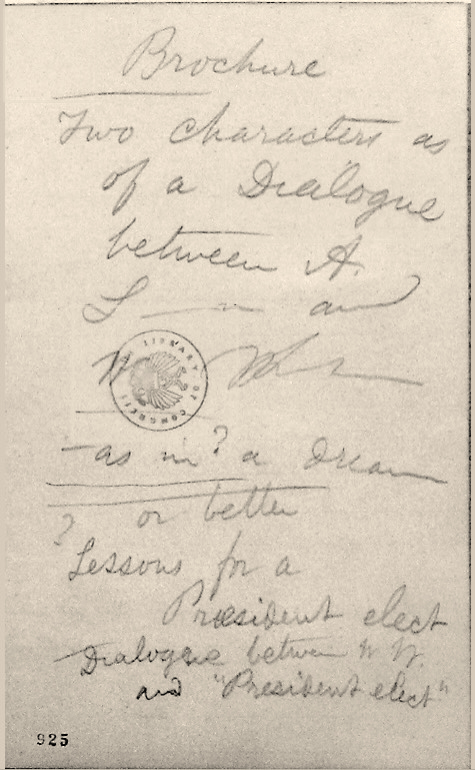
In Whitman’s text, the metamorphosis is complete: the dress is now of complete black, the stovepipe pushed back on the head, the composure perfect.
A day before, the man had worn a shocking bad hat in the snow of Clyde
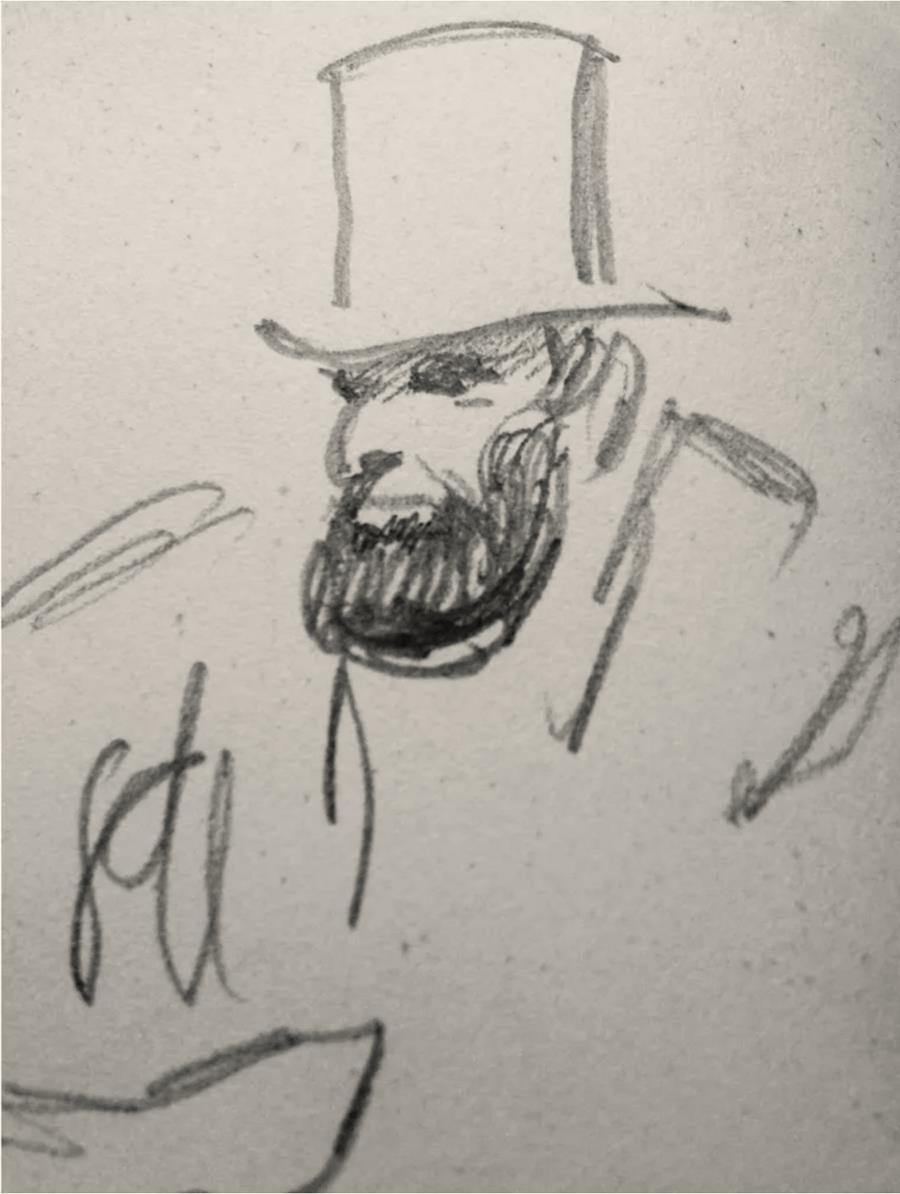
He was no longer merely the man of the people. He was becoming the statesman, the national figure, the man who would soon belong to history.
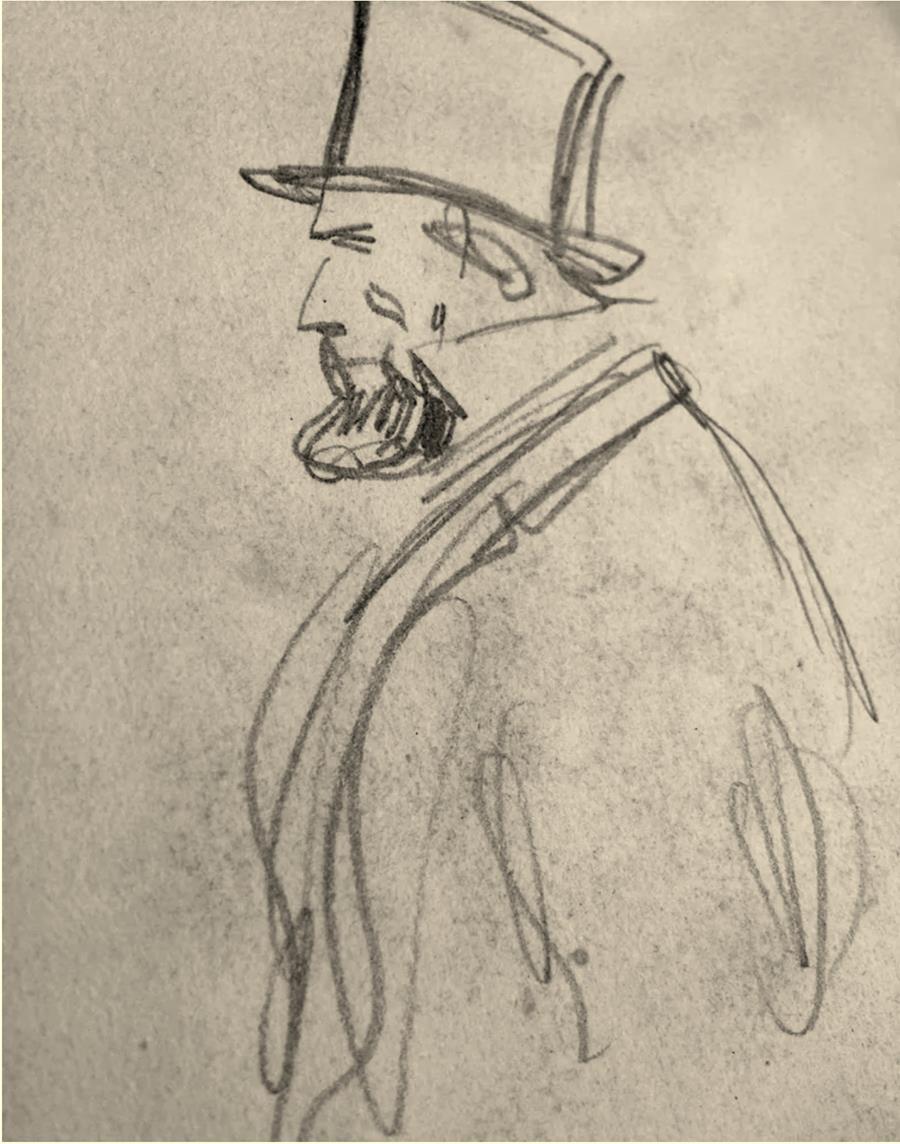
What is certain, and what matters most, is that the metamorphosis was brutal, sudden, and deliberate. It was imposed by his wife, and it took place exactly two hours and forty-seven minutes after the Clyde photograph.
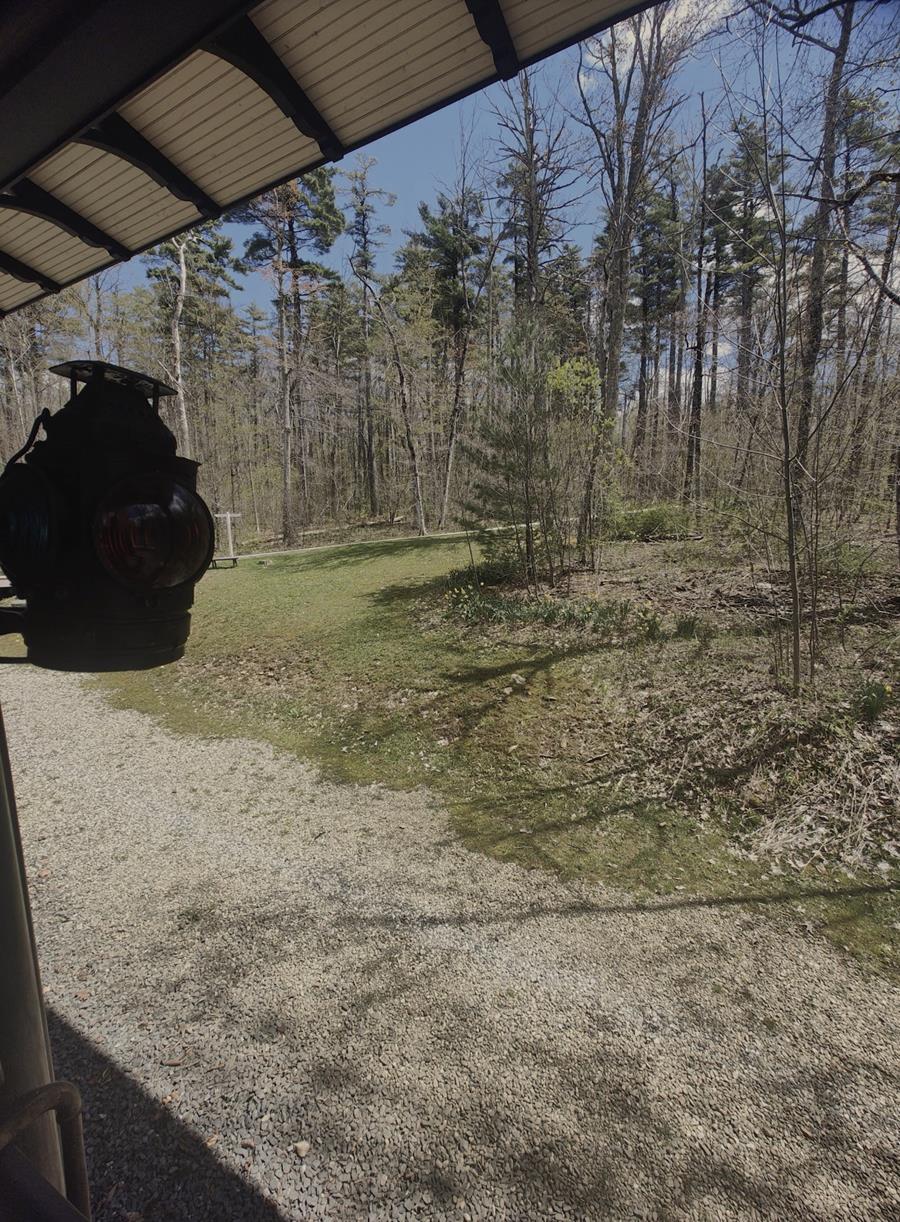
And so we return to the rear platform, where a young photographer once stood at trackside in the snow. Why he was not named in the local paper, four days later — and why the silence around him has lasted one hundred and sixty-five years — is the matter for the next episode of our serial.
One Day in The Life of John B. Roberts
La Fotografia è la più bella delle collezioni …
Any question : fotografia@atelier41.org
Laisser un commentaire