New York 2017, and the question of Lincoln look-alikes
Extract from the monograph The Mystery of the Lost Daguerreotype — Tracing Lincoln’s Image in 1861 (Senigallia, MMXXVI).
A Discovery at a Manhattan Photo Fair
An anonymous image surfaced during a bustling New York photo fair, coinciding with the AIPAD event at Pier 94. This chapter retraces the circumstances of that discovery and then turns to a key objection that every observer, at first sight, raises: «Just one more Lincoln look-alike?»
NYC Photo Fair — 31 March 2017
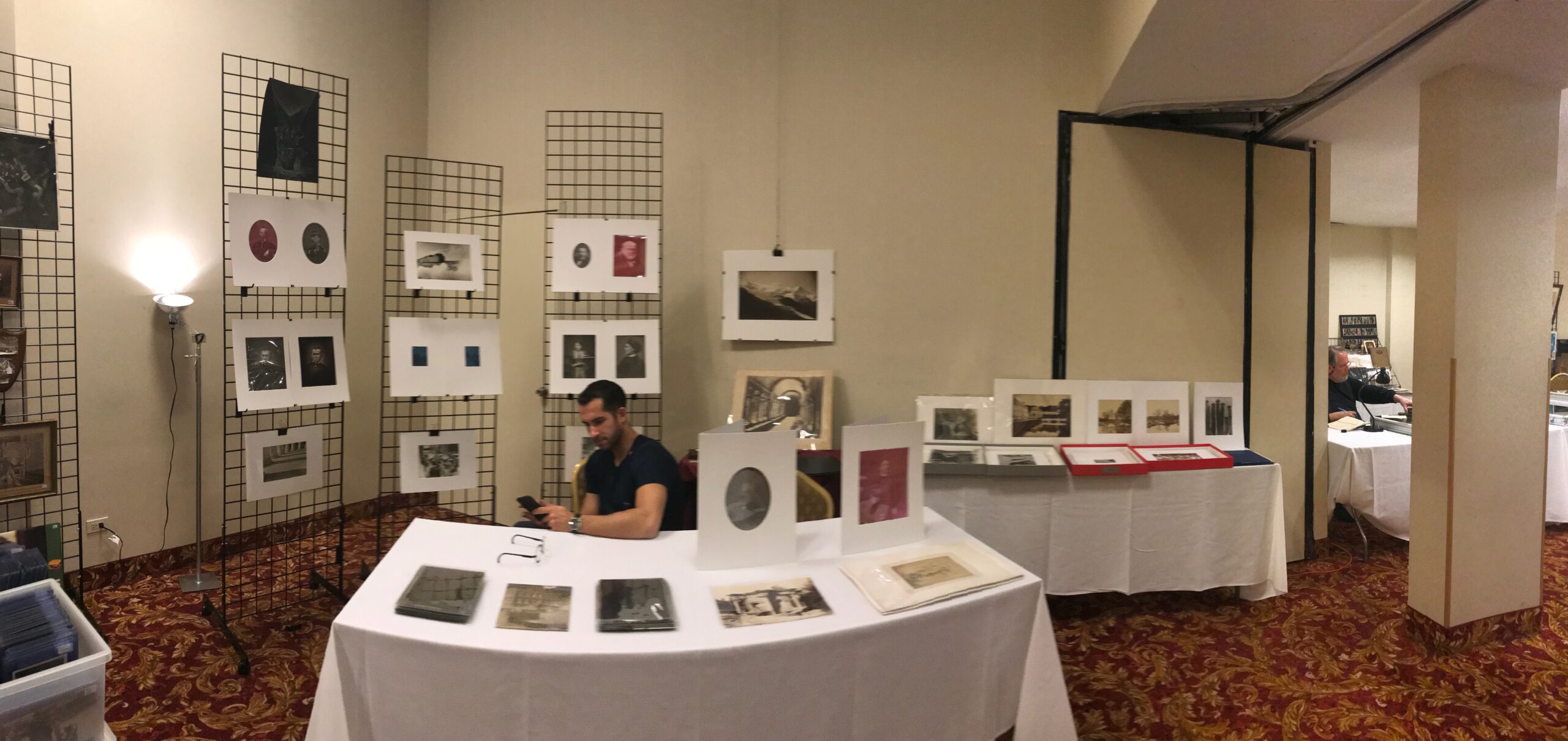
The prestigious New York Photography Collectors Fair, organised by the AIPAD association, was in full swing for its 2018 edition at Pier 94. Despite the arrival of limousines carrying stars and elegantly dressed attendees, the event seemed sparsely attended, with gallery stands appearing lost in the oversized hangar.
Concurrently, two more modest fairs were being prepared: one by the Daguerreian Society, and another by an association of Photograph and Postcard Dealers, Mary L Martin Ltd and finedags.com. The latter was scheduled for Friday, 31 March 2017, in the salons of the Watson Hotel.
This smaller fair garnered significant interest, attracting chic collectors of vintage photographs, museum directors, and even some exhibitors from Pier 94, who began arriving at the Watson Hotel as early as 8:00 AM.
Among the exhibitors was one of the most renowned daguerreotype dealers in the United States, who proudly introduced his son. The young man had recently begun selling his first described pieces online under his father’s guidance.
Discovery and Acquisition
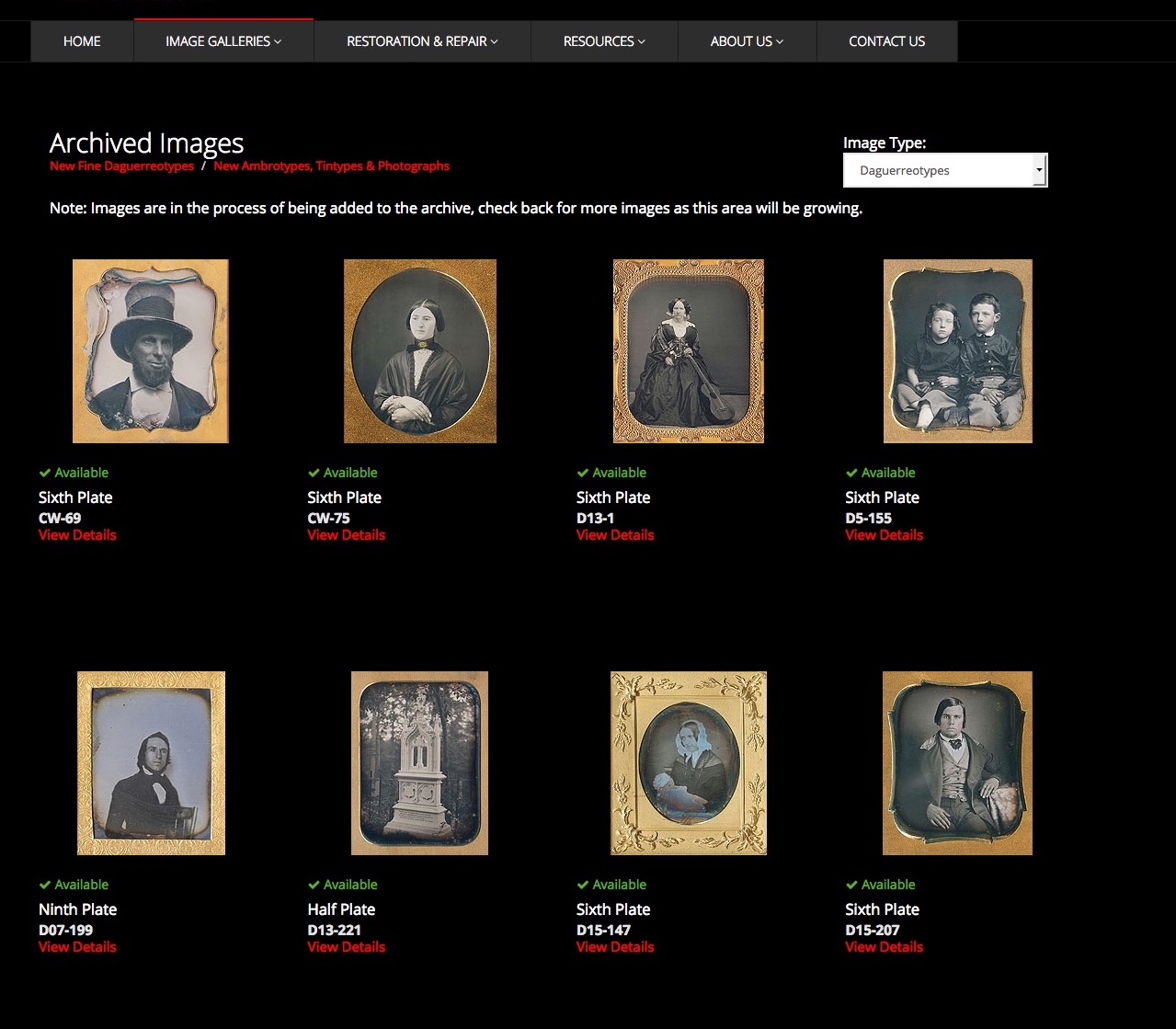
As the Watson Hotel fair neared its end, most distinguished visitors had left, and exhibitors were finalising their last deals, often at discounted prices. It was during these final moments that the portrait we are studying here emerged. The young dealer had been unsuccessful in selling it online for six months, and to major collectors who had passed by without purchasing. Despite raising many questions, particularly about its flaws and unsightly stains, father and son had described it in their listing as follows:
«MY INITIAL INCLINATION… Was to deem this friendly expressive gent’s restored sixth plate a copy dag. However, looking at the naked plate didn’t offer up any positive proofs. We discussed the fellow’s portrait at great lengths. It was possible that the daguerreian’s preparation or chemistry wasn’t quite right the day the chap sidled into the salon to be taken. Regardless of the dag’s pedigree, it remains an amazing artifact. The very weird tendrils of tarnish created a rainbow frame of colors. There are green eruptions along the bottom and a couple mat scrapes upper left. The leather case has a barely adequate cloth hinge.»
Initially, the portrait was considered as potentially another Lincoln look-alike from or before the Civil War era.
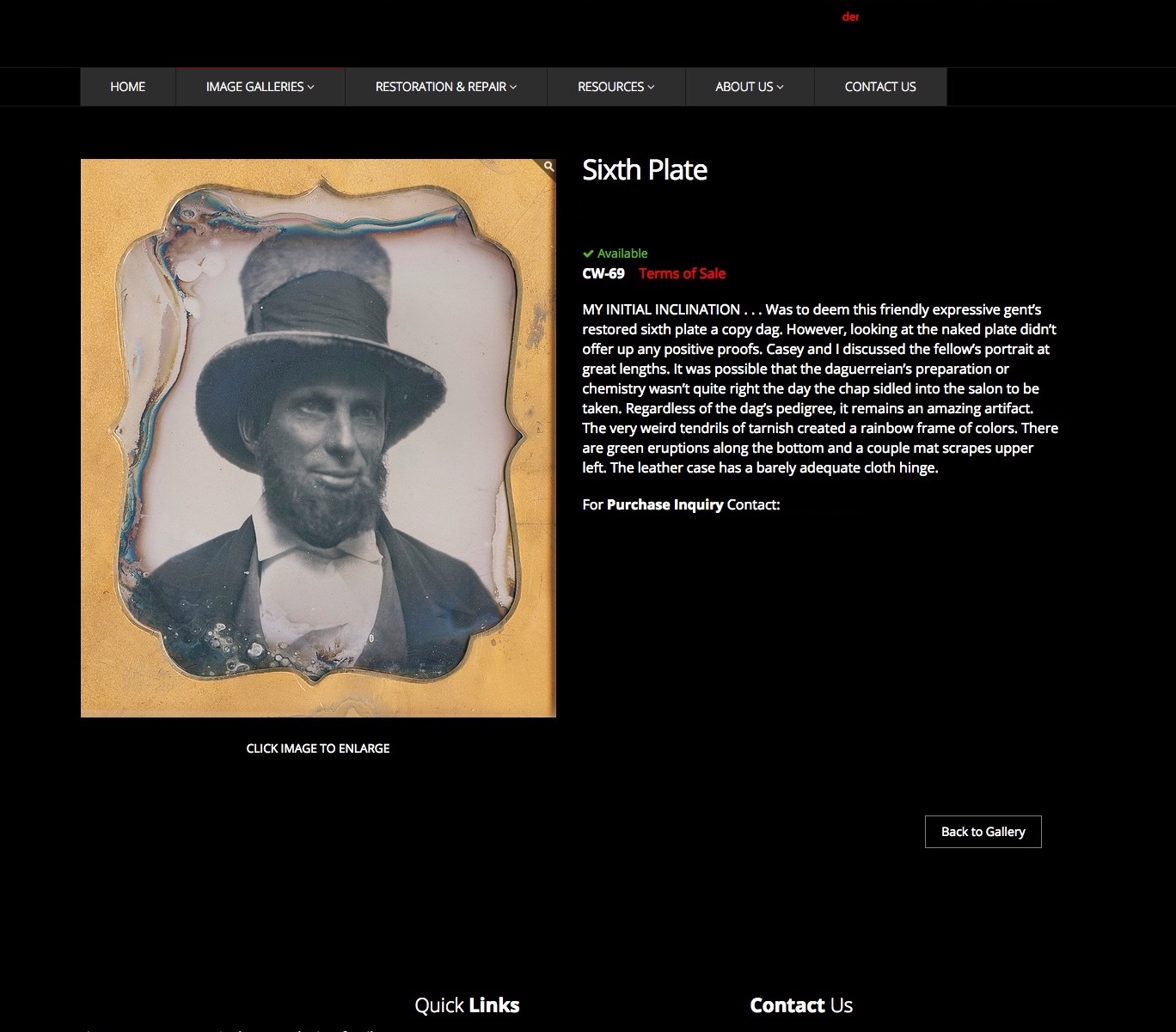
Six months later, and more than a year later still, the item remained « available » on the commercial site — a period during which father and son had themselves tried in vain to persuade major Lincoln collectors.
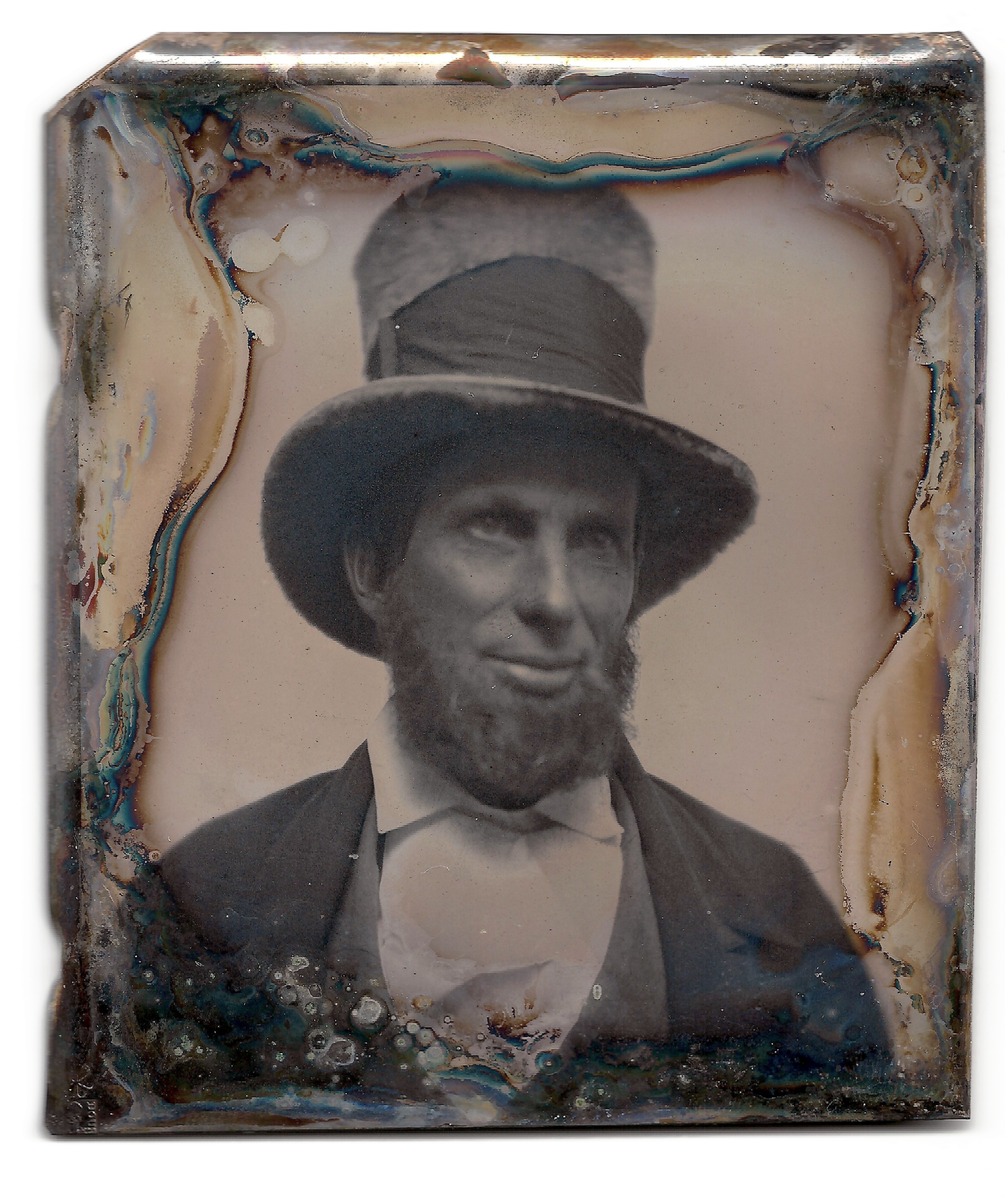
Just One More Lincoln Look-Alike?
The discovery of this daguerreotype raises important questions about its authenticity and historical context. Before delving into a detailed investigation, it is crucial to address two key considerations — the first being the challenges in distinguishing genuine Lincoln images from those of skilled impersonators and contemporary look-alikes.
Abraham Lincoln Became a Model for Americans
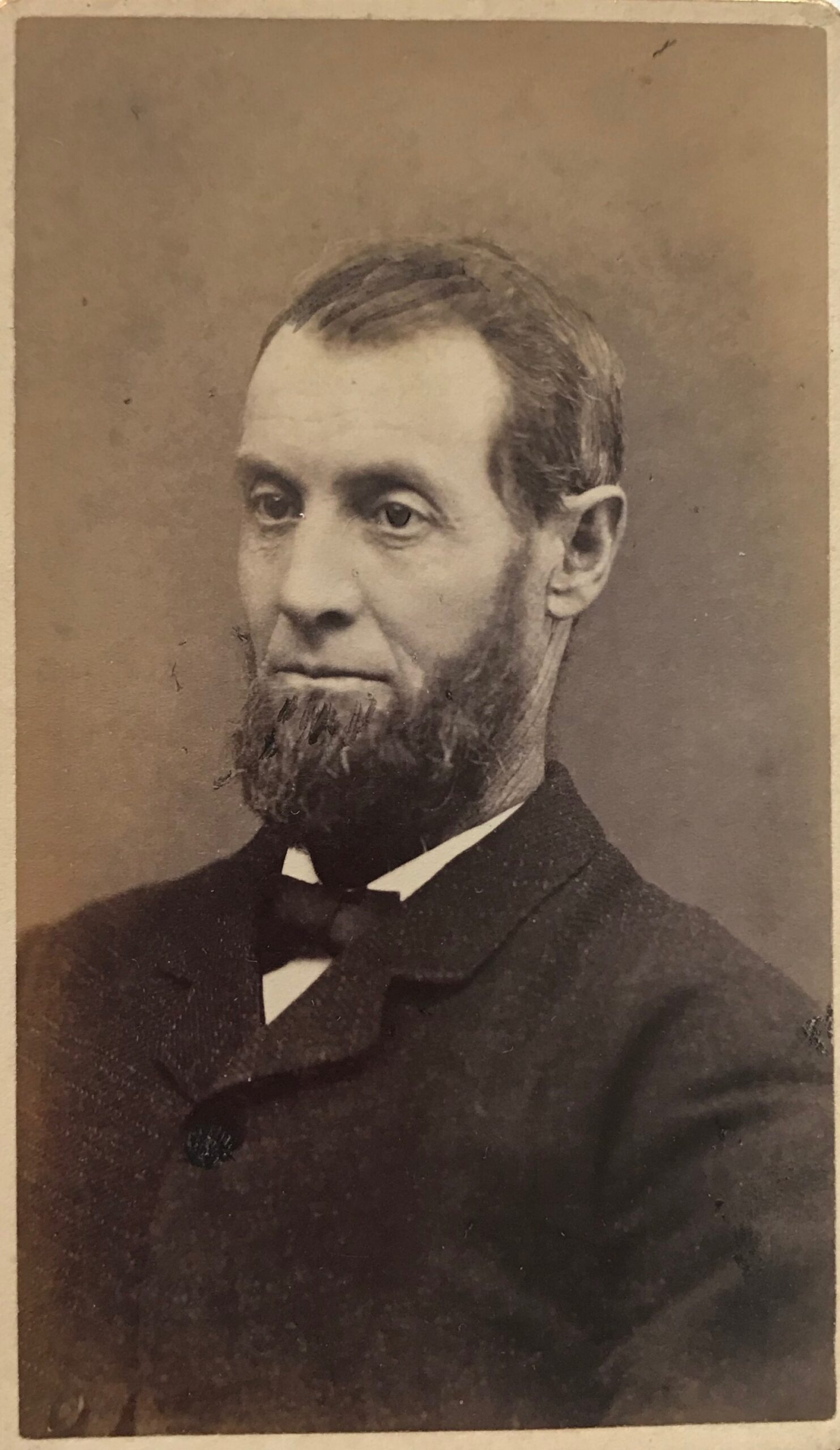
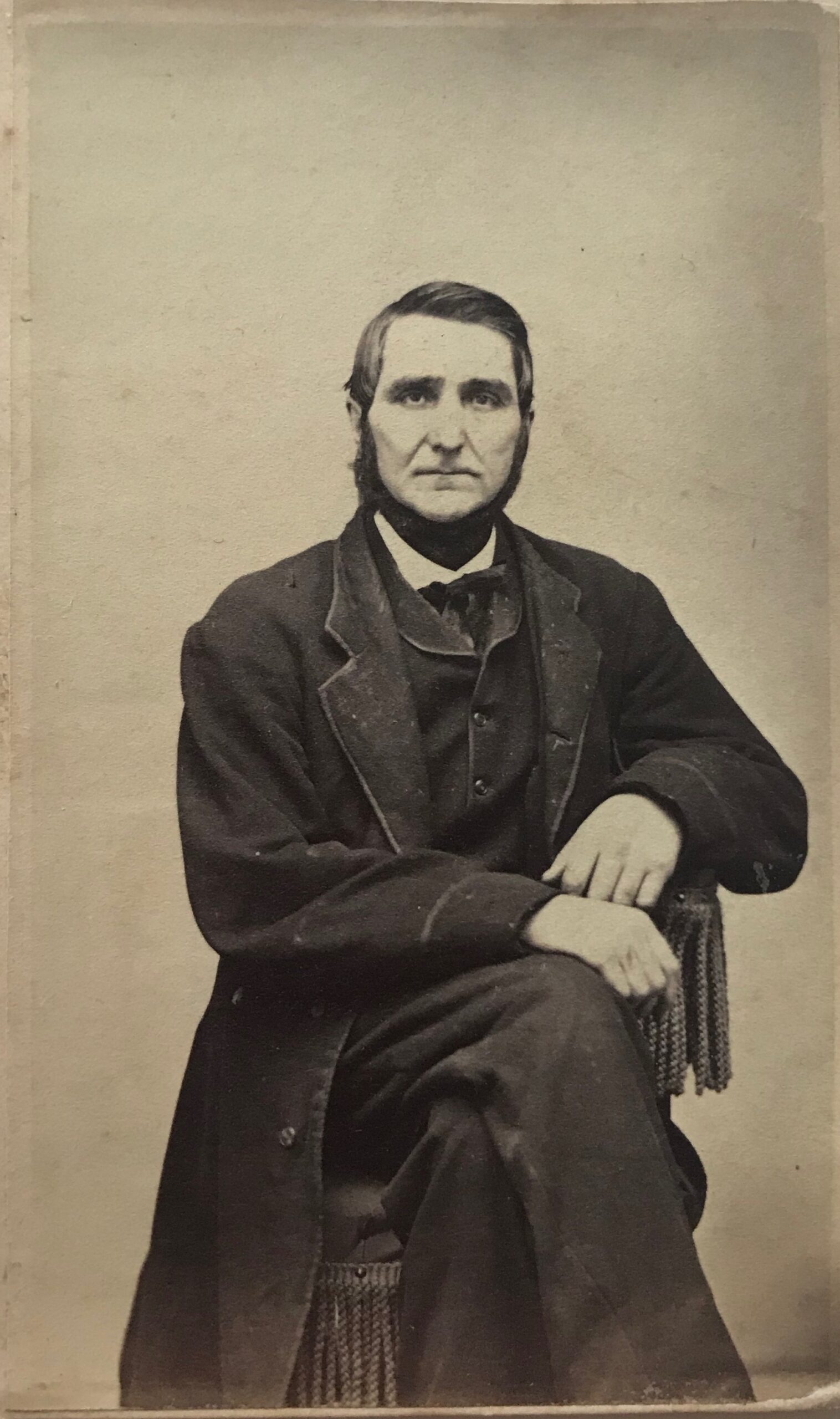
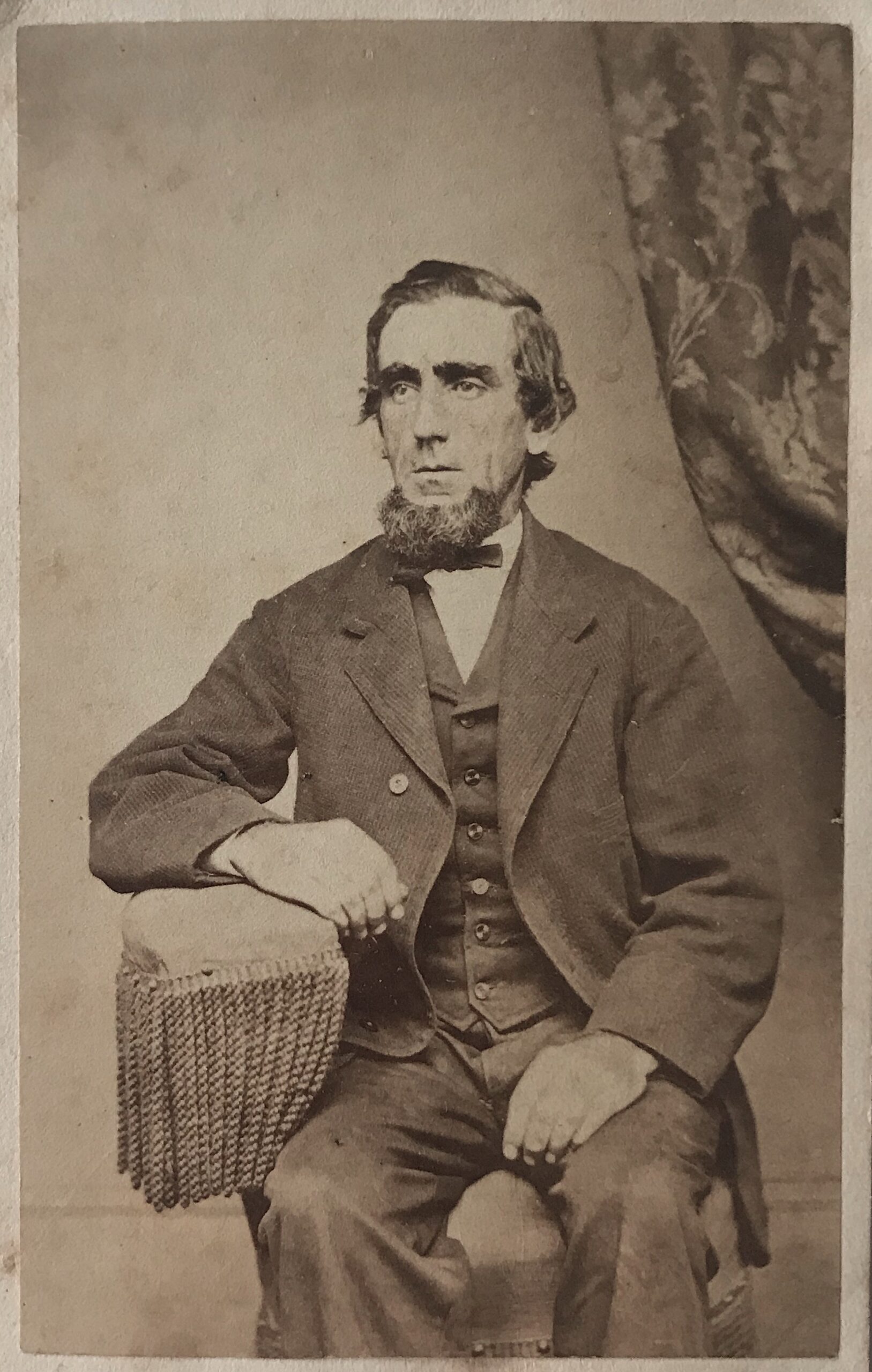
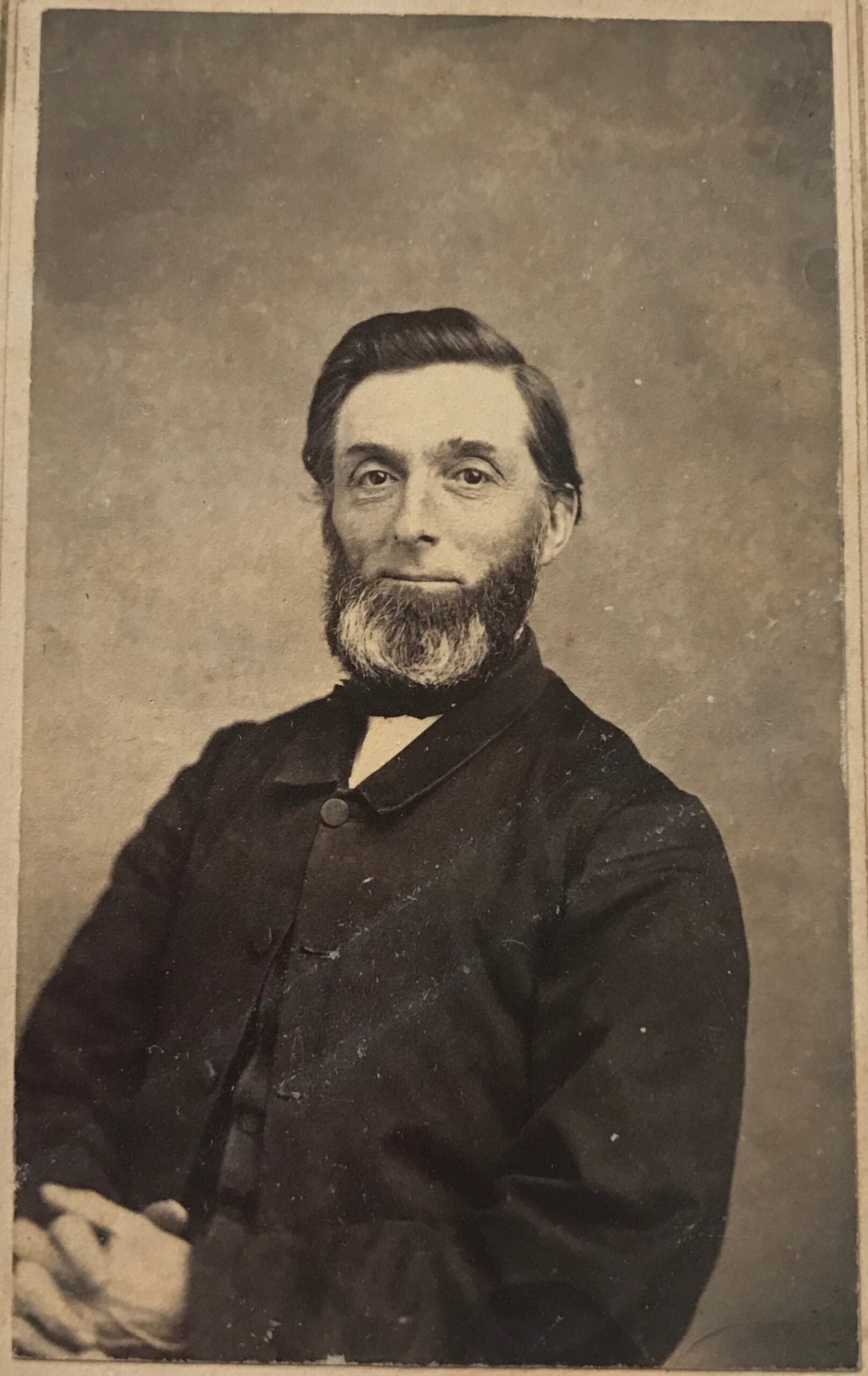
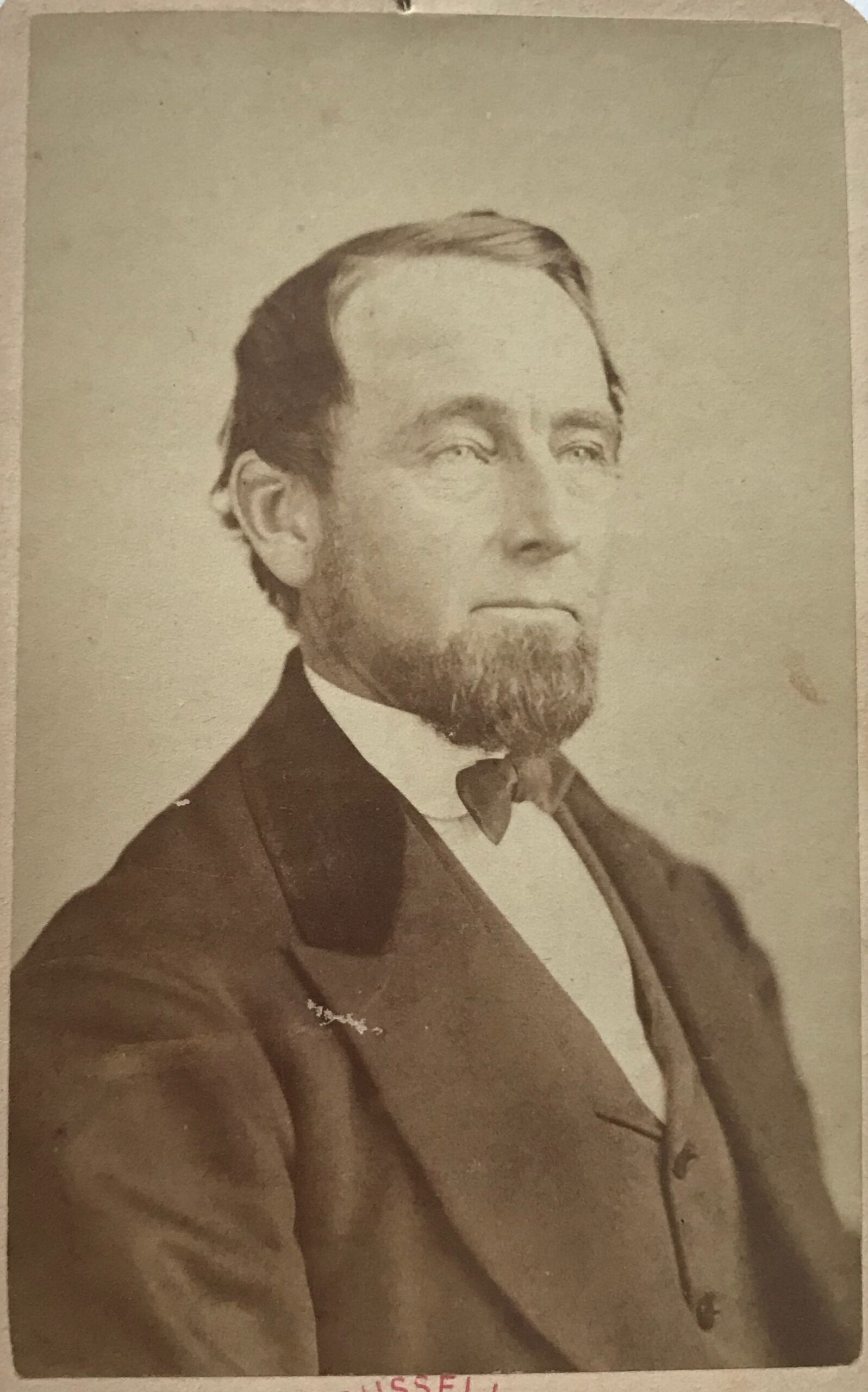
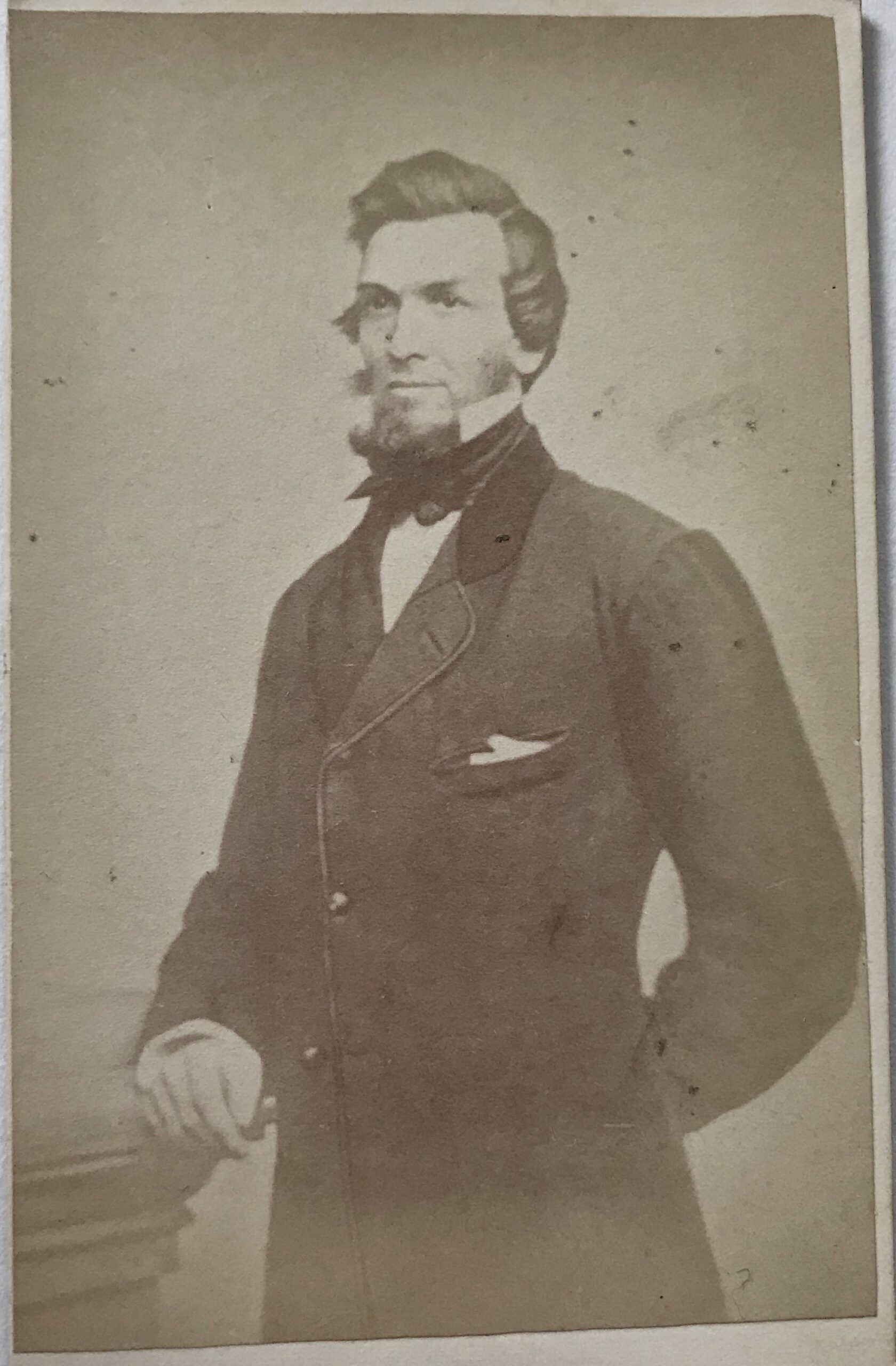
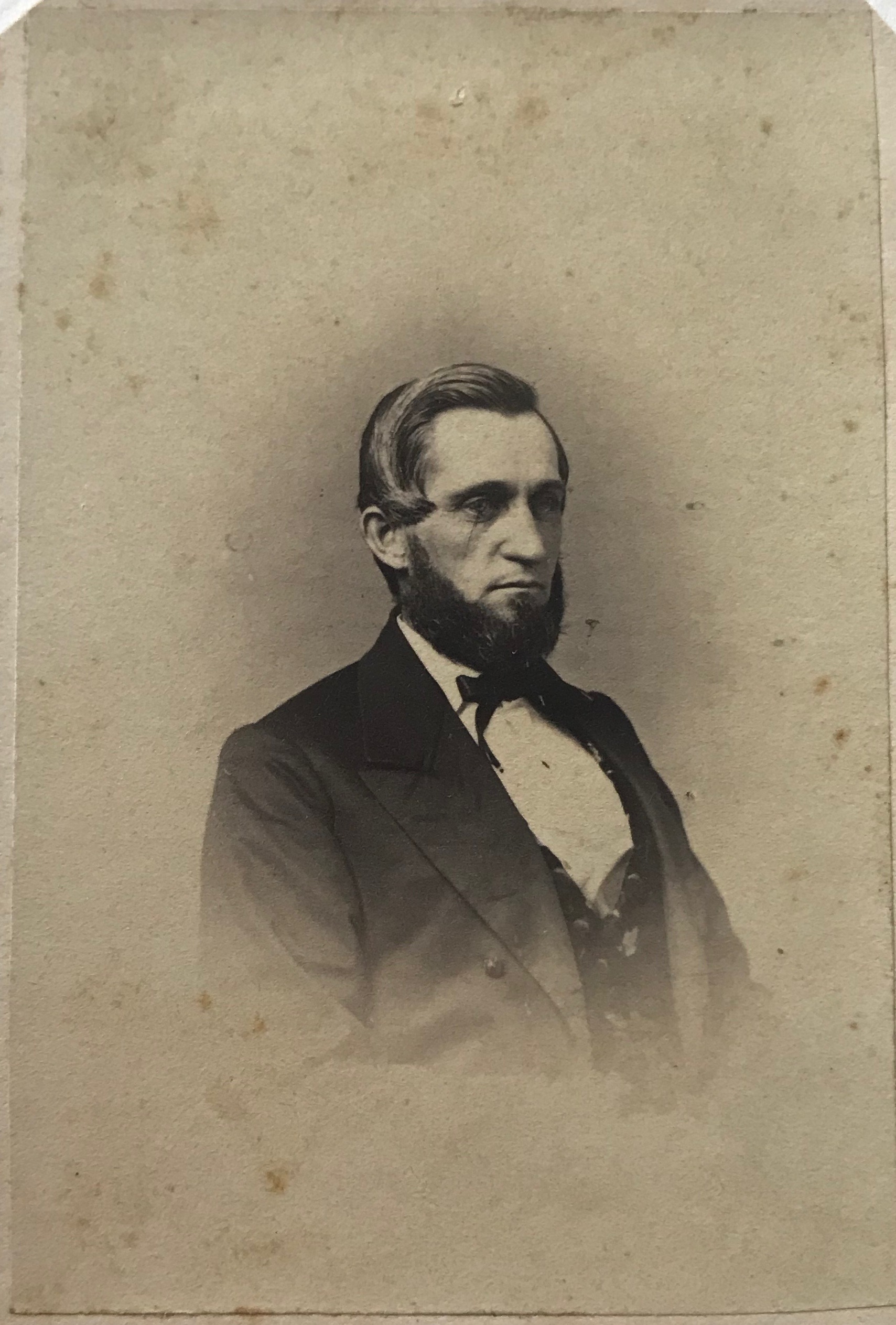
It is hard to say exactly how many Americans decided to resemble Abraham Lincoln during or after the Civil War, but Lincoln’s distinctive beard certainly inspired many men of that era. The style became quite popular, with many soldiers and civilians opting for similar facial hair. Lincoln’s iconic look had a significant impact on American culture at the time, symbolising leadership and resilience. While we might not have an exact number of look-alikes, it is safe to say that Lincoln’s beard style was a significant trend of the period.
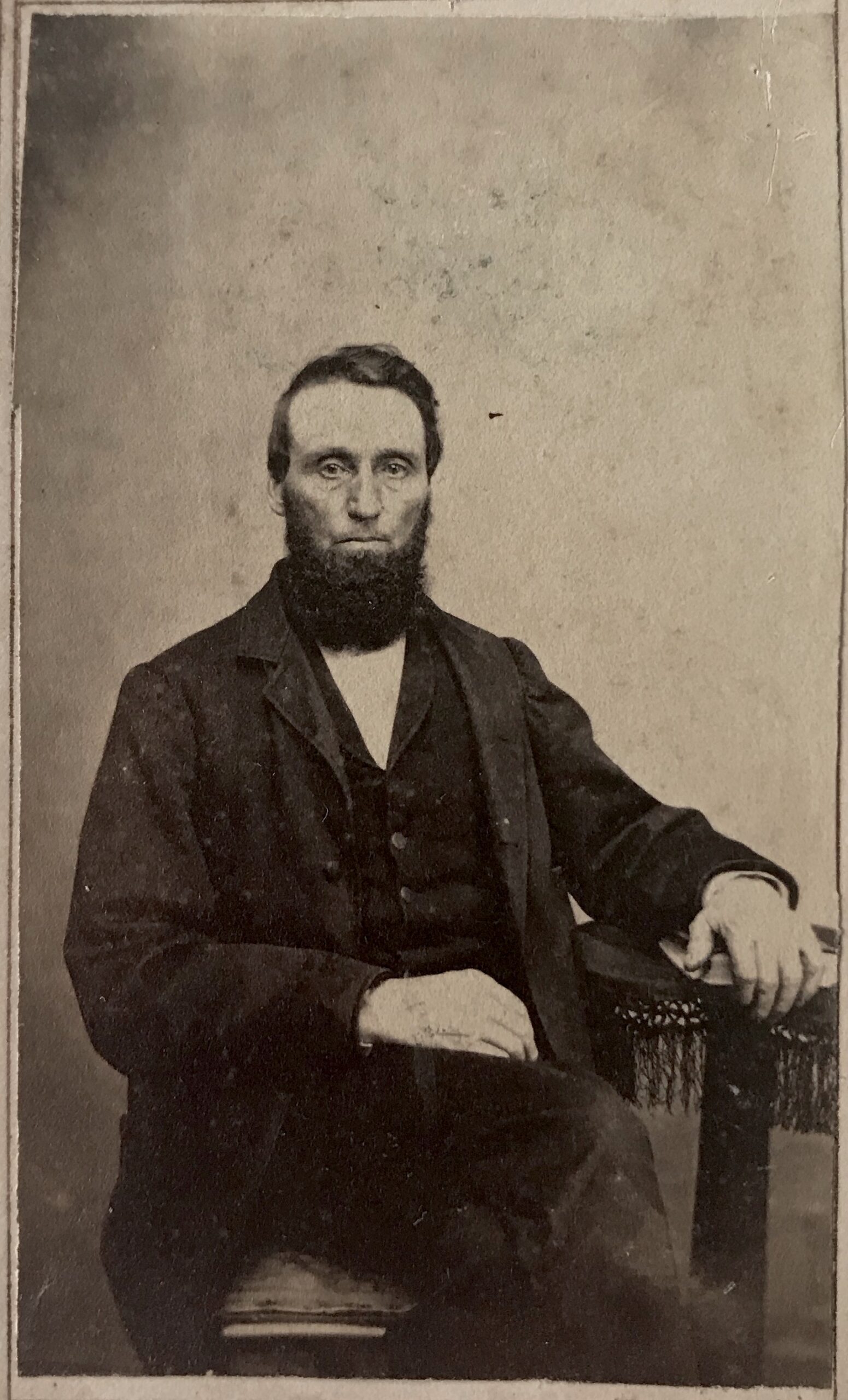
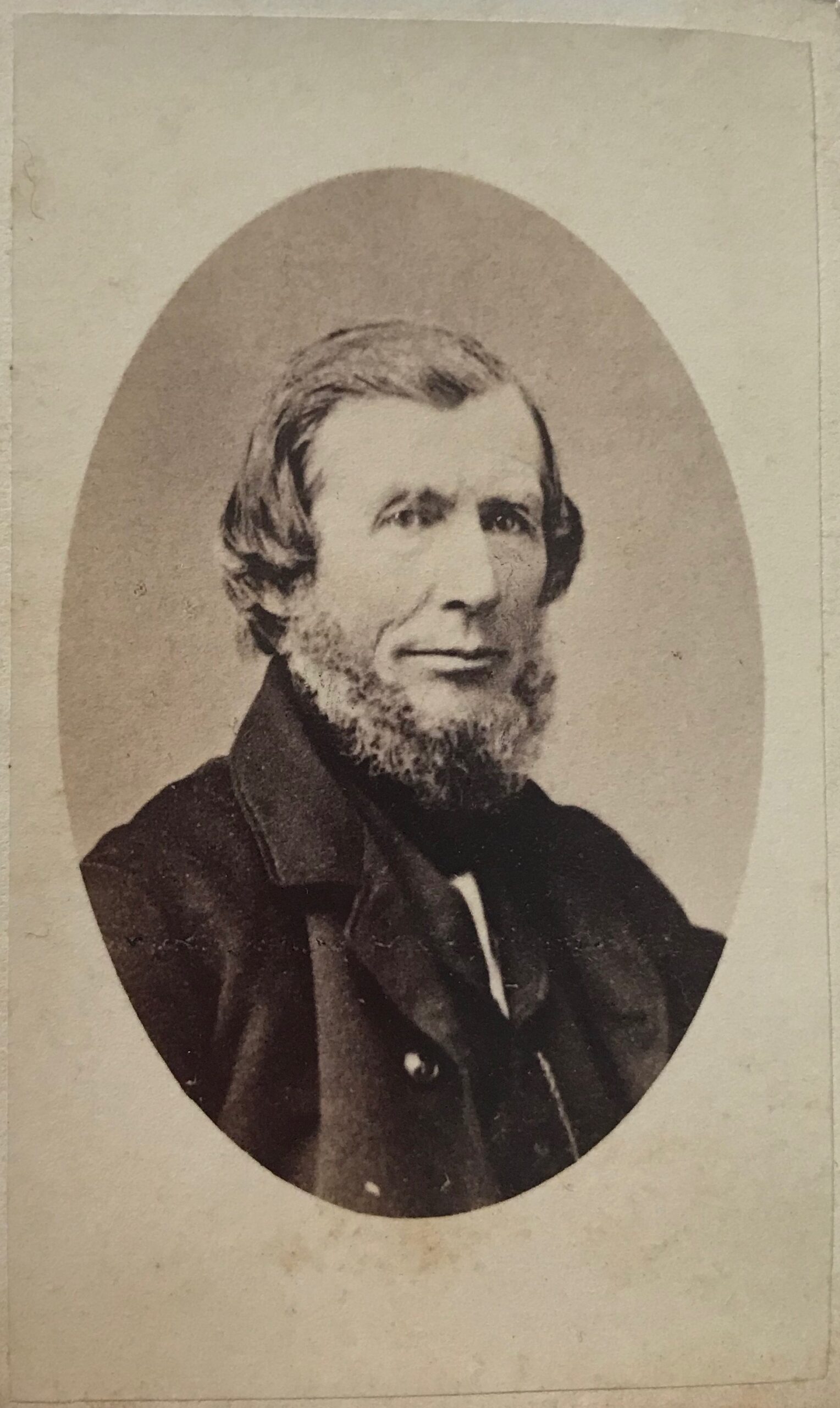
Many portraits of Lincoln look-alikes from the Civil War period can be found in family albums and archives, but nearly all are albumen cartes-de-visite, with few exceptions for tintypes or ambrotypes.
Several models adopt the pose of a «great man,» gazing into their imagined fate or fortune for their portraits. The Lincoln Enigma: Authentic Portrait or Skilled Impersonator?
A Daguerreotype That Predates Lincoln’s Fame
Daguerreotype technology was largely superseded by newer photographic methods by the time of Lincoln’s presidency. A visit to the Library of Congress offers insights into this transition through the Liljenquist Family Collection, which provides a comprehensive view of Civil War-era photography.
This collection, now numbering over 7,000 items, primarily consists of ambrotypes, tintypes, and cartes-de-visite of individual soldiers and officers from both sides of the conflict. The family began donating their collection to the Library of Congress in 2010 and continues to add to it.
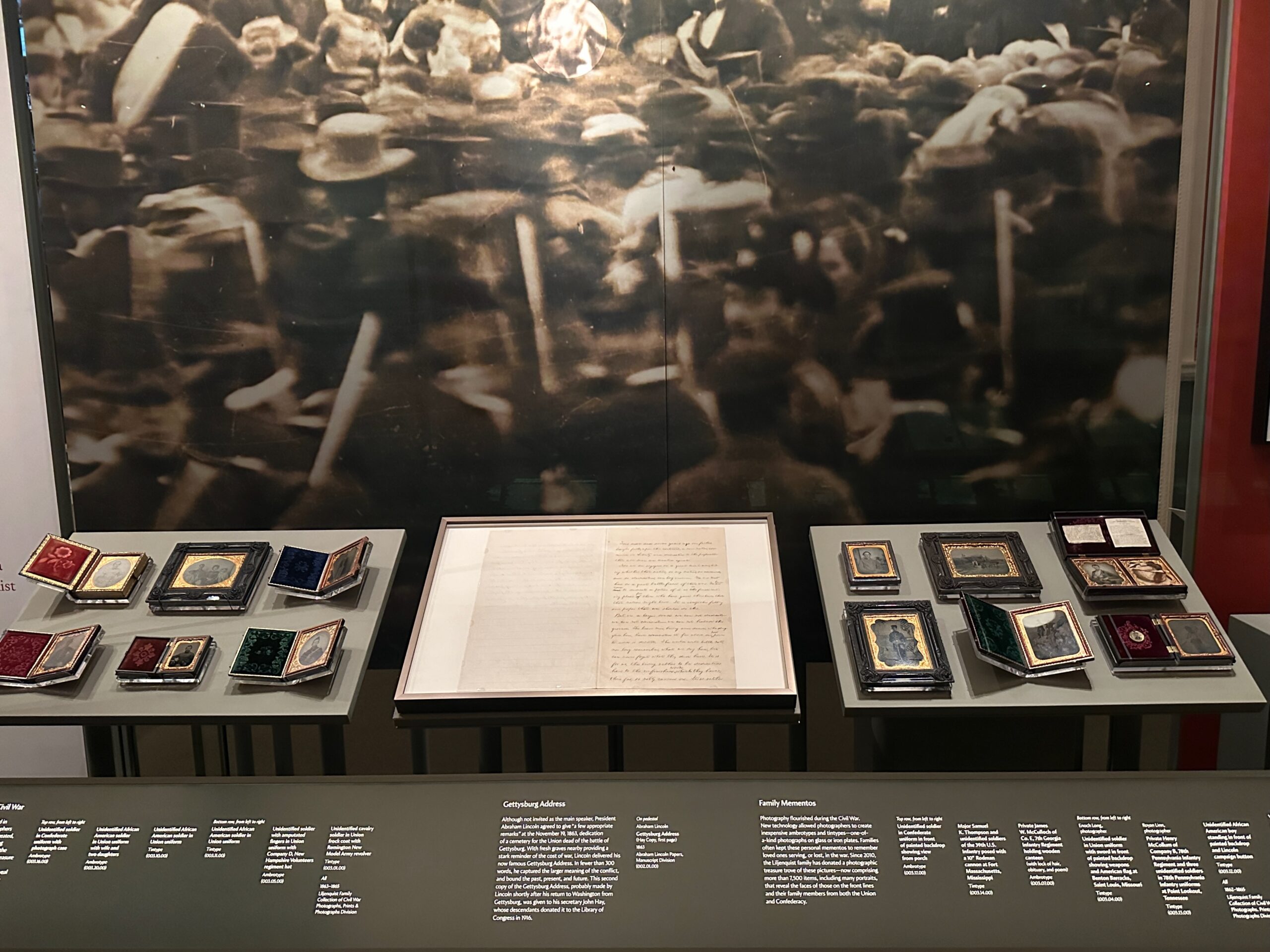
The collection’s focus on these newer photographic techniques (ambrotypes and tintypes) rather than daguerreotypes further illustrates the shift in photographic technology during this period. The Liljenquists specifically sought out high-quality portraits that capture compelling images of the soldiers, providing a rich resource for understanding the visual culture of the Civil War era (Library of Congress Press Release, November 2024).
Daguerreotypes were rarely created after Lincoln’s inauguration and the start of the Civil War. The few exceptions are precious copy-dags made following official sessions that created portraits on paper, at least one at Lincoln’s request.
The challenge is to solve this riddle: the man in the daguerreotype resembles Abraham Lincoln even before his image became widespread. The simplest explanation is often correct:
Who was the first man to resemble Abraham Lincoln? Was it not Abraham Lincoln himself?
Iconographers who have cataloged all portraits of Abraham Lincoln before his election and during his presidency assert that there is at least one image whose existence is certain but missing — a daguerreotype taken during his train journey when he was transforming his image by growing a beard and changing his attire.
Our investigation now turns to the presidential inauguration train, its pivotal stop in Clyde on 18 February 1861, and the confluence of circumstances that may have led to this potentially historic portrait.
Who was behind the camera? Who commissioned it? And why has it remained hidden for so long?
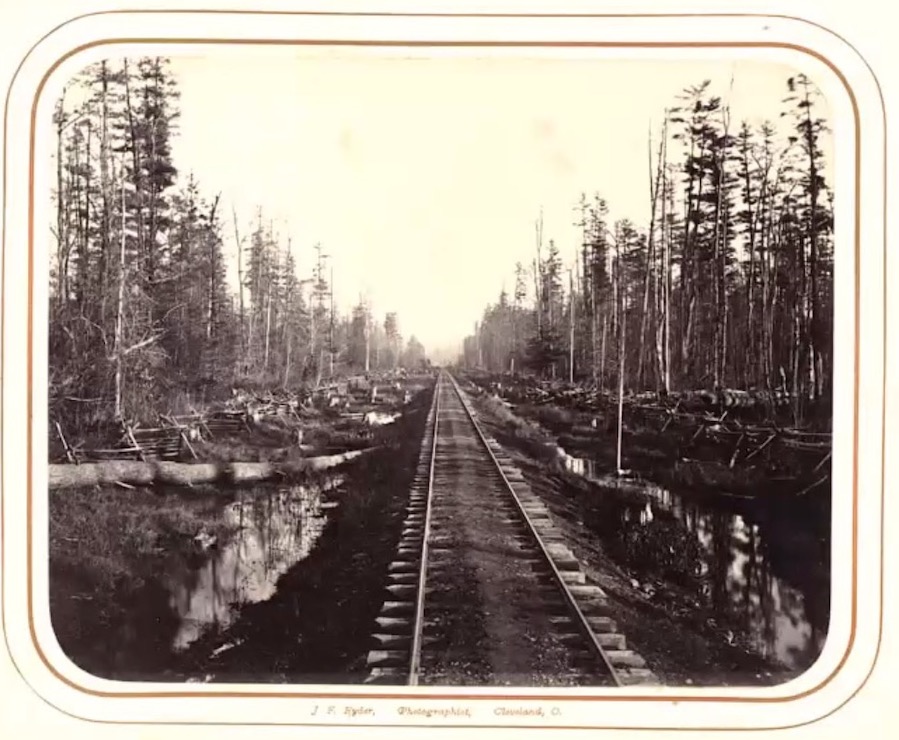
To be continued — Episode 5: « Momentous 1861 Inaugural Journey — 1,900 Miles in 12 Days ».
Sources & Notes
- AIPAD. The Photography Show. aipad.com/show.
- « Taking Photographs During the Civil War. » Library of Congress. loc.gov/collections/civil-war-glass-negatives.
- Koerber, Susannah. « Whiskers for Votes, or Why Abraham Lincoln Grew a Beard. » Indiana State Museum and Historic Sites, 31 August 2021.
- Liljenquist Family Collection of Civil War Photographs, Library of Congress. loc.gov/collections/liljenquist-civil-war-photographs.
- Library of Congress Press Release, November 2024: « Daguerreotypes in Decline: Lincoln’s Image in a Changing Photographic Era. »
Laisser un commentaire