Village on the Erie Canal, Railway Depot, and the Local Editor’s Account
Extract from the monograph The Mystery of the Lost Daguerreotype — Tracing Lincoln’s Image in 1861 (Senigallia, MMXXVI).
Village of Clyde on the Erie Canal
The Village of Clyde, situated on the Clyde River, is part of the Town of Galen in Wayne County, New York. Located on the county’s southern border and west of Syracuse, Clyde had a population of 2,093 in 2010, while the town’s population was 4,290. The village is approximately equidistant from Rochester and Syracuse.
The area’s rich history dates back to 1722, as documented in the Documentary History of New-York: «The first white men known to have set their feet upon the ground that yet constitutes a part of the village of Clyde, came in the summer of 1722, when William Burnet, colonial governor of New-York, sent an expedition into what is now the interior of the state to make a settlement or trading post for the opening of a fur trade with the western Indians.»
This expedition established a block house on the north bank of the Clyde River, which played a significant role in subsequent conflicts: «It was used during the French and Indian War and also during the Revolutionary War by whoever happened to be in possession of it. After peace had been declared between the victorious United States and England, it was used by smugglers and marauding British soldiers, &c., until about 1800, when the government sent soldiers to clean them out. During the fighting the building was set on fire and destroyed.»
The development of Clyde as a community began in earnest in the early 19th century. On 21 February 1817, the State Legislature granted Maj. Frederick A. de Zeng the right to dam the Clyde River for water power. The following year, he constructed a dam and mills, which were crucial to the area’s economic growth.
Frederick Augustus de Zeng, a key figure in Clyde’s development, was a Saxon nobleman born in Dresden in 1756. His life story is intriguing. «Baron de Zeng fell in love with a charming Quakeress of Long Island, and determined at the close of the war to make America his home. On the 3rd of November, 1789, he was naturalized as an American citizen… He was connected with General Schuyler in establishing and carrying on the ‘Western Inland Lock Navigation Company,’ subscribing largely for the stock and taking a personal interest in the construction of the works… His long, active life closed at Clyde, Wayne county, where two of his married children, William Steuben de Zeng and Maria Stow resided, on the 26th of April, 1838, at the age of 82 years, and he was buried at that place.»
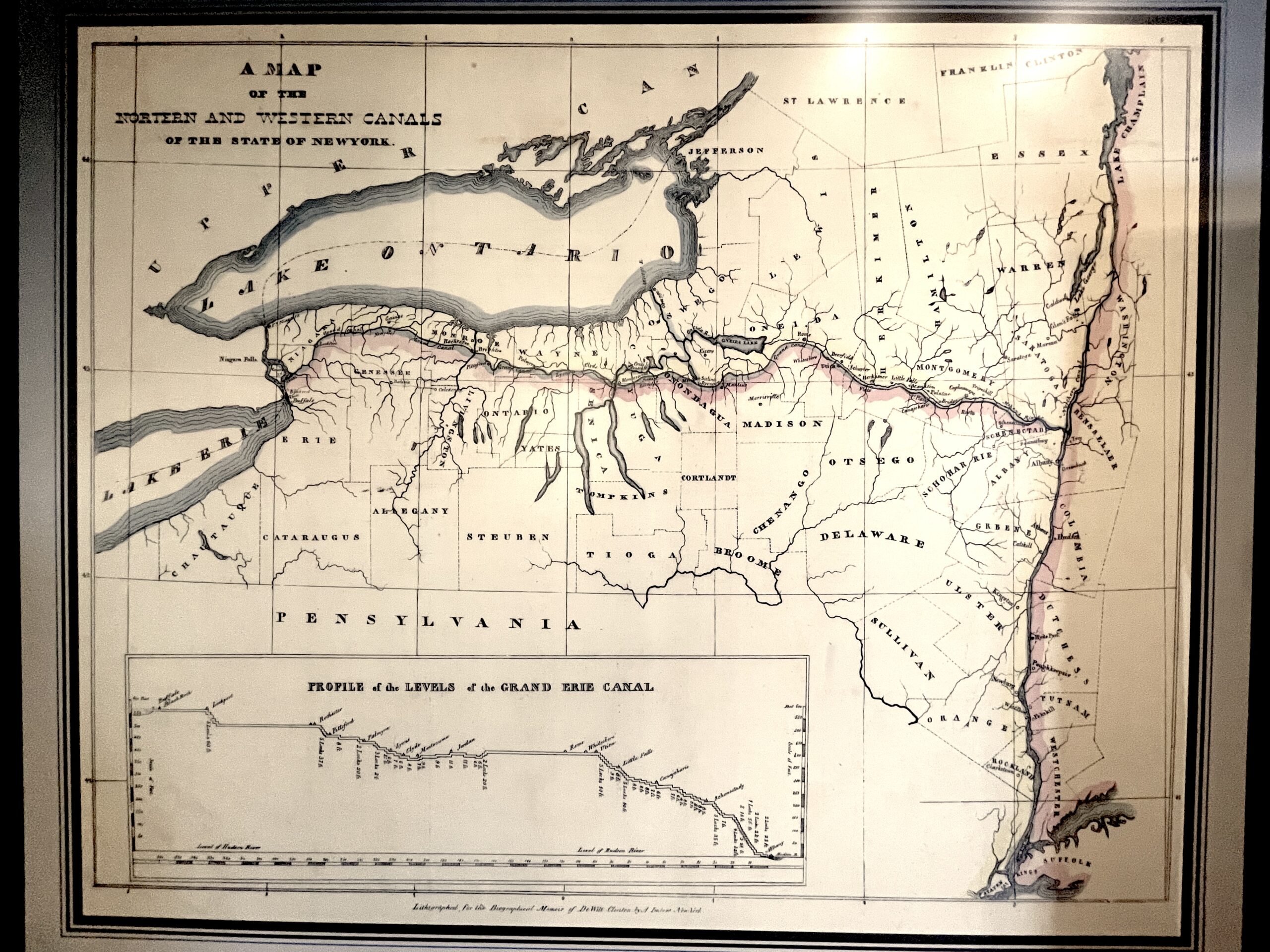
The Erie Canal transits the southern edge of the county. The villages of Clyde, Lyons, Newark, Palmyra and Macedon all became homes to canal locks when the Albany to Rochester section of the canal opened on 10 September 1823. The Erie Canal was completed on 26 October 1825, and was crucial to Clyde’s development. This 363-mile engineering marvel, with its 18 aqueducts and 83 locks, provided inexpensive transportation that boosted agriculture and industry in Western New York.
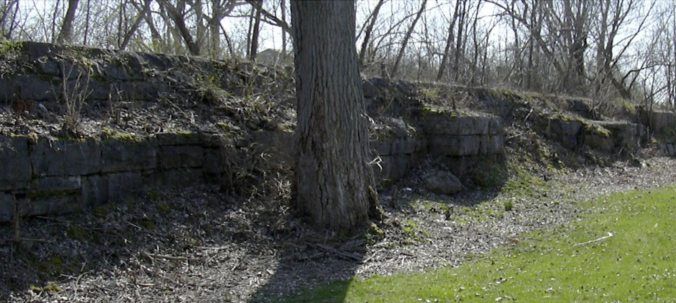
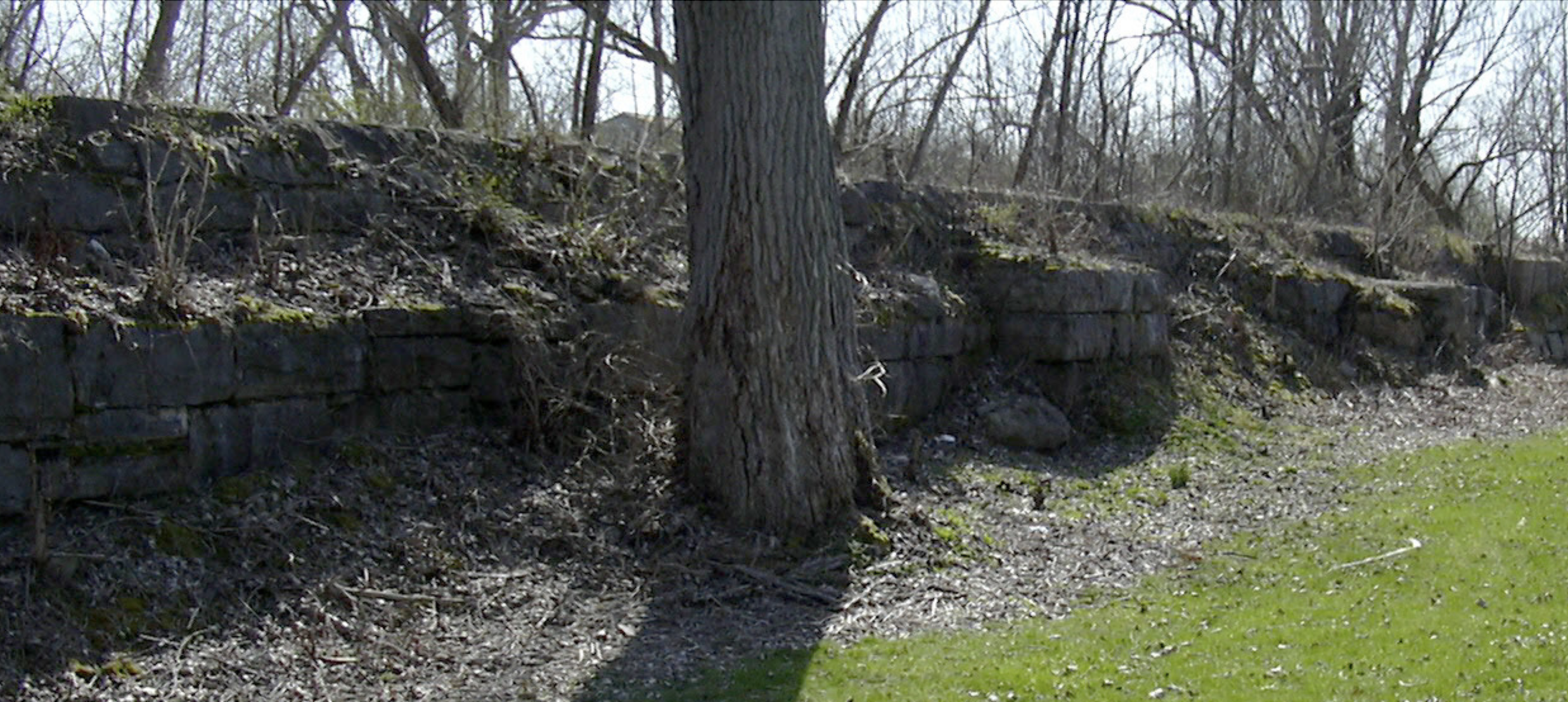
Clyde’s canal heritage is still visible today. Remnants of the Enlarged Erie Canal Lock 53 (Clyde Lock) can be found near the intersection of N.Y. Route 31 and Old Route 31, just west of the village. This site stands as a testament to Clyde’s significant role during the canal era.
Bird’s-Eye View of Clyde, Wayne Co.
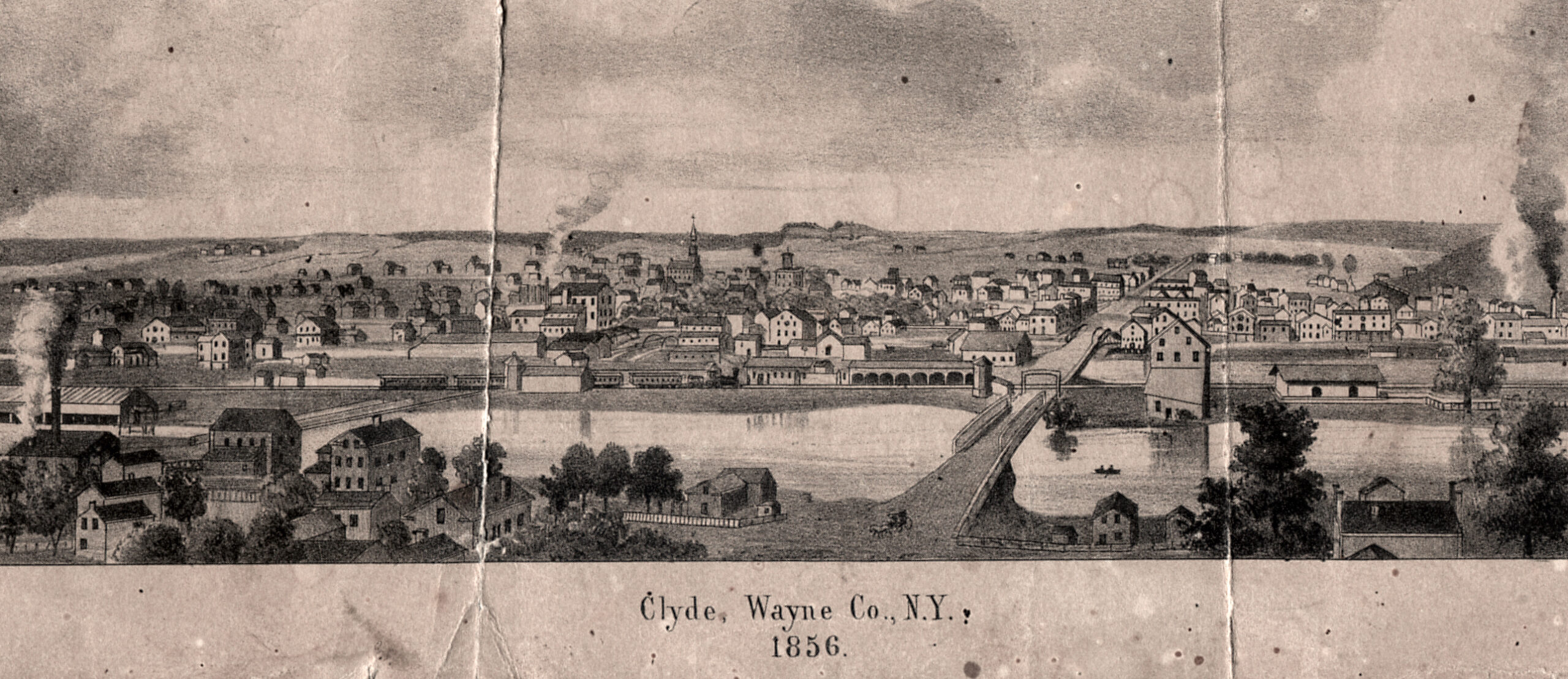
This panoramic view of Clyde, N.Y., offers a valuable snapshot of the village at the time of Lincoln’s stop. The artist has captured several key elements crucial to our investigation:
- The passenger train is depicted stopped at Clyde, with the locomotive near the passenger depot (large blue circle). This accurately represents the scene during Lincoln’s brief stop.
- The train agent is shown standing on the platform of the rear car (smaller blue circle), a detail that aligns with accounts of Lincoln’s journey.
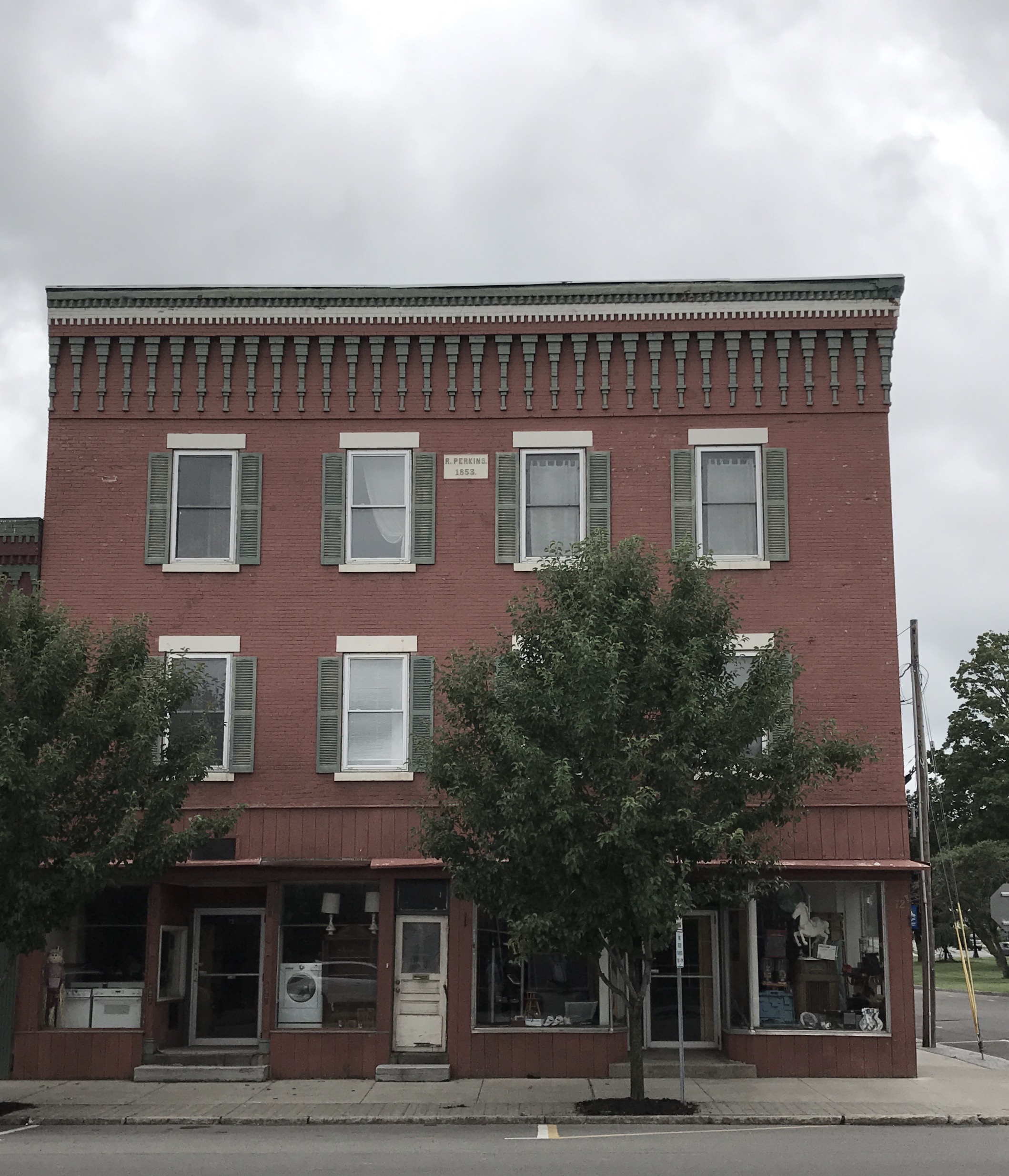
- The Perkins block, which housed Roberts’ Daguerreian gallery, is clearly visible on Glasgow Street (red circle). This location is of particular interest for our investigation into potential daguerreotypes of Lincoln.
The creation of this bird’s-eye view coincided with the publication of a Cadastral Wall-Map of the Town of Galen and Village of Clyde in 1856. This map, surveyed by J. H. French of Philadelphia, provides additional context: «The work was first commenced by French in November of 1855, and completed late in the summer of 1856. An agent was procured for the canvass of the town and village, who met with success in his endeavors and was accompanied by a photographic artist, who was actively engaged in the taking of the daguerreotypes used for the eighteen views which were set down upon the map at a cost of $15 to the owner of the same.»
Clyde Railway Station
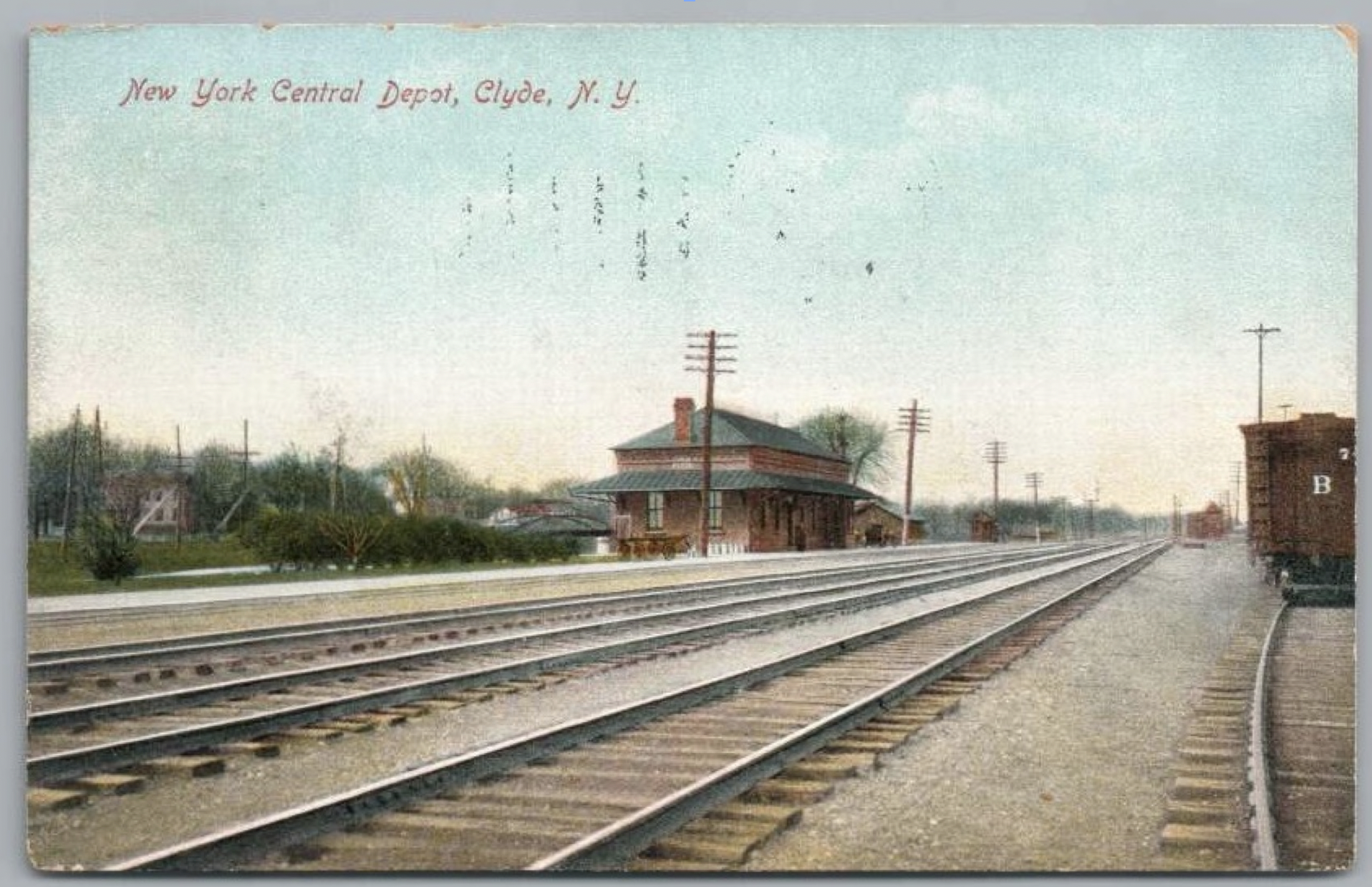
The New York Central Railroad was established in 1853, consolidating over ten existing railroad companies that competed with the Erie Canal. The first of these was the Mohawk and Hudson Railroad, chartered in 1826, which provided a faster alternative for freight and passengers to avoid the time-consuming locks on the Erie Canal between Schenectady and Albany. The Rochester and Syracuse Direct Railway, chartered and merged into the Rochester and Syracuse Railroad on 6 August 1850, opened on 1 June 1853. This line ran more directly between Rochester and Syracuse, roughly parallel to the Erie Canal, further intensifying the competition between rail and water transport.
While the Erie Canal remained competitive with railroads until about 1902, when tolls were abolished, the advent of faster and more efficient rail transport gradually shifted the balance of freight and passenger traffic away from the canal. This shift played a significant role in shaping the development of towns like Clyde along both the canal and the railroad routes.
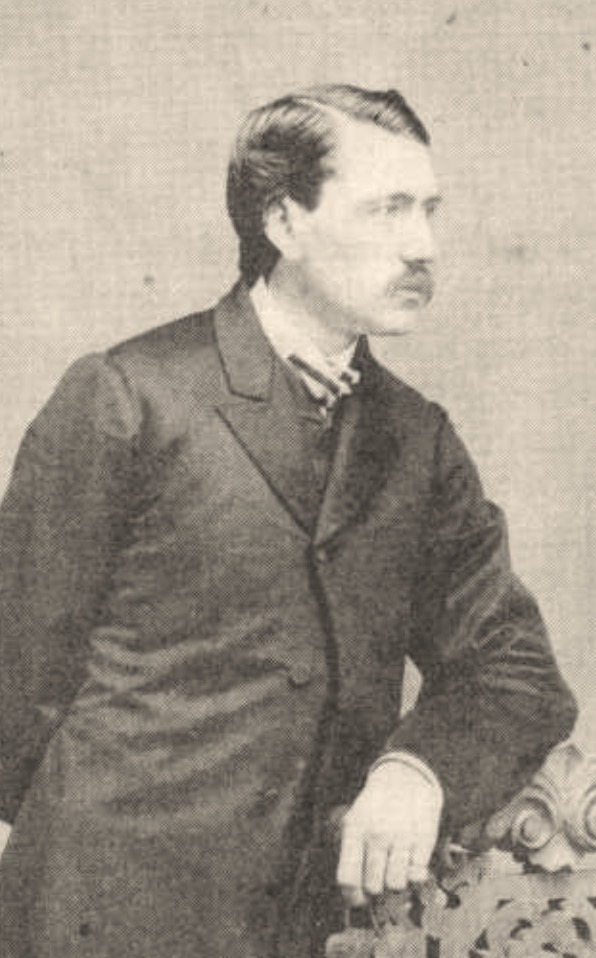
Wayne Morrison’s account provides detailed information about the Clyde railway station: «On November 11, 1852, the first locomotive entered Clyde from the east on the Rochester & Syracuse, which had at that time been built as far west as Clyde, and on May 30, 1853, the first regular passenger train passed over the route, the fare from this village to Syracuse being 75 cents. The freight office and depot were constructed in 1853. The original depot was replaced with a brick structure in 1885-1886, which, along with the freight office, was demolished in 1962. Jacob VanBuskirk was the first ticket agent when the line opened, succeeded by William Watters in June 1860, who held the position for 24 years. In 1866, double tracks were laid from Albany to Buffalo.»
Morrison noted that while Clyde was an attractive community on the Erie Canal, it was not the political or economic center of Wayne County. He was puzzled by the Special train’s stop there and did not connect it with Horace Greeley’s visit just before the November 1860 election.
Joseph Pain & The Clyde Weekly Times
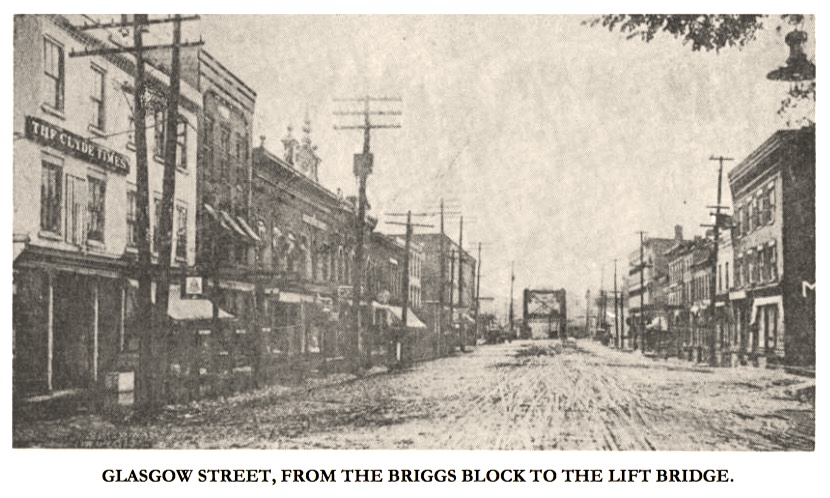
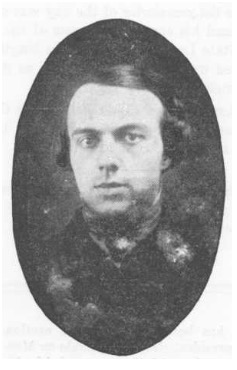
The Clyde Weekly Times, located on Glasgow Street, played a significant role in documenting local events, including Lincoln’s visit.
The newspaper’s history began with its predecessor, the Clyde Eagle, which ran from 16 April 1844 to 1847. «At a meeting of the Agricultural Association of Galen, a committee of three was appointed to make the arrangements, if possible, for the re-establishment of a weekly journal in this village. The efforts were culminated some months later with the establishment by Pain & Smith of The Industrial Times on Saturday, 23 March 1850.»
Joseph A. Pain married his business partner, Emily M. Smith, on 28 April 1850. He then started the Industrial Times on 4 May 1850, later changing its name to The Clyde Weekly Times. Joseph Pain left Clyde in November 1865 and moved to Corry, PA, where he started a newspaper because of his interest in the new oil fields.
The Clyde newspaper’s building faced the Daguerreian Gallery on the upper floor of the Perkins Block. In the 1850s, The Clyde Weekly Times regularly published advertisements for local photographers, with only one photographer advertised at a time. John B. Roberts was the sole local photographer advertising at the time of Lincoln’s arrival.
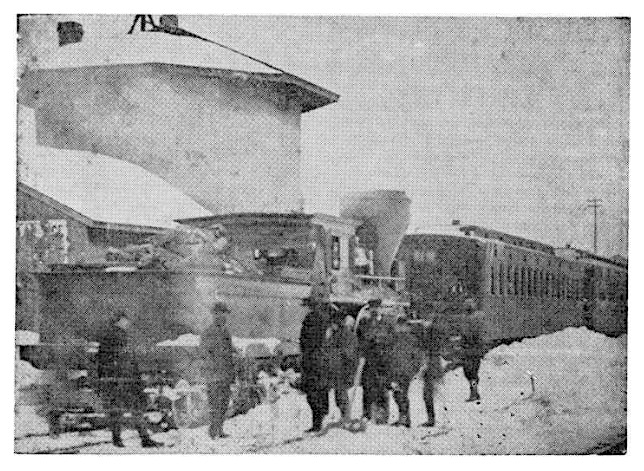
Joseph Pain announced the train’s stop two days in advance in the Saturday, 16 February 1861 edition:
«The President elect will pass through Clyde, on Monday morning, the 18th inst., between 8 and 9 o’clock a.m., on his way East. It is very certain that the train will wood and water at Clyde; so that our citizens and visitors will run a good chance of getting a sight of him.» (The Clyde Weekly Times, 16 February 1861)
A report of Lincoln’s visit was published in the following issue on 23 February 1861, only in the fifth column. Interestingly, Pain did not print a special edition about Lincoln’s visit. One might wonder why. Could the extremely cold weather that month have played a role in this decision? Or were there other factors at play? This presents an intriguing question for historians and readers to consider.
The Local Editor’s Account
On Saturday, 23 February 1861, five days after the presidential visit, Joseph A. Pain described Lincoln’s brief stop in Clyde in the Clyde Weekly Times:
«On Monday morning, bright and early, notwithstanding the heavy snow and deep drifts of Saturday night and Sunday morning, the roads in every direction were filled with teams and leads of human beings coming to see the President-elect. The village streets were thronged with vehicles, and by eight o’clock a large concourse of people were assembled at the depot, anxiously awaiting the Presidential train. At 8:40 a.m. the train hove in sight, the work engine whistled, the canon belched forth its thunder notes, and every man, woman and child was agog with excitement. Nobly the train sped along; and as it moved towards the waterhouse the crowd closed in behind, and watched for the signs of the ‘coming man’. As soon as the train stopped, six feet four of humanity stepped out of the car, and when on the platform, an enthusiastic cheer greeted Hon. Abraham Lincoln, President elect of the U. S.»
William Wood introduced the President-elect to the approximately three thousand people in attendance. Typically, a local politician or townsman would have the honor of answering Lincoln in the name of the community. In this instance, no one was available for the speech, so Lincoln spoke only briefly: «Ladies and gentlemen: I merely appear before you to say good morning and farewell. I did not come to make a speech; nor have I time to make one if I did. I now bid you good morning, and when the train starts I will come out again and bid you farewell.»
«When Mr. Lincoln re-entered the car, we again got upon the platform and conversed with Mr. Wood during the short period occupied in wooding and watering. As soon as the locomotive whistled for starting, Mr. Lincoln stepped out upon the platform, and saying, ‘I bid you all farewell,’ bowed several times to the crowd, who returned the greeting with enthusiastic cheers. We were then introduced by Mr. Wood to the president elect, and shaking hands with him, said, we would disperse the shake to our readers in our next edition. During this time the cars were in motion, and when we reached the lower crossing we parted company…»
According to Searcher: «The editor of the local paper pushed up to the platform and told Lincoln he had been deputized by the people to shake hands, then distribute the handshake in tomorrow’s edition. Saying it was a fine idea, Lincoln shook hands heartily.»
Notably, Joseph Pain does not mention the daguerreotype incident — nor his falling in the snow. Instead, Pain kept a very light tone: «We stood by Mr. Lincoln’s side when he was bidding the crowd farewell, and to give some idea of his height, our head reached about half way between his elbow and shoulder; and though not tall, we are not among the smallest race of bipeds.»
Interestingly, John B. Roberts’ weekly advertisement was published as usual on page 4 of this issue, indicating his continued presence as the local photographer during Lincoln’s visit. This juxtaposition raises questions about the alleged daguerreotype incident and its omission from Pain’s account.
Weather Report, 18 February 1861
The weather conditions on the day of Lincoln’s stop in Clyde were well-documented from various sources, providing crucial information for understanding the potential for daguerreotype photography.
Joseph A. Pain reported in the Clyde Weekly Times: «On Monday morning, bright and early, notwithstanding the heavy snow and deep drifts of Saturday night and Sunday morning, the roads in every direction were filled with teams and leads of human beings coming to see the President-elect.»
John P. Van Deusen, a resident near Lockville (now Arcadia), 15 miles west of Clyde, recorded in his diary the previous day’s snowfall: «I saw the Special Train of cars on which President A. Lincoln is going to Albany today. Many people went to the Depot but the train passed very fast. Some who went from here to Clyde got a sight of him… 18 to 20 inches of snow, I should think, fell last night. Blows some today.»
The extreme cold was evident — hundreds of people could walk and stand on the iced surface of the Erie Canal. The frigid conditions persisted throughout Lincoln’s journey, with John Fagant noting: «There were two arrests made by the Syracuse police that morning. In the first one, a boy was charged with throwing a snowball at Lincoln.»
These weather conditions — bright, sunny, and cold with significant snowfall — have important implications for potential daguerreotypes. The low temperatures might have influenced the choice of daguerreotype over wet collodion photography. As Solomon N. Carvalho noted in his 1856 book Incidents of Travel and Adventure in the Far West:
«To make daguerreotypes in the open air, in a temperature varying from freezing point to thirty degrees below zero, requires a different manipulation from the processes by which pictures are made in a warm room… Buffing and coating plates, and mercurializing them, on the summit of the Rocky Mountains, standing at times up to one’s middle in snow, with no covering above save the arched vault of heaven, seemed to our city friends one of the impossibilities…»
Carvalho’s experience suggests that while difficult, daguerreotype photography could have been a viable option for capturing Lincoln’s image during his brief stop in Clyde, given the weather conditions.
Lighting Conditions, Clyde, 8:48 AM
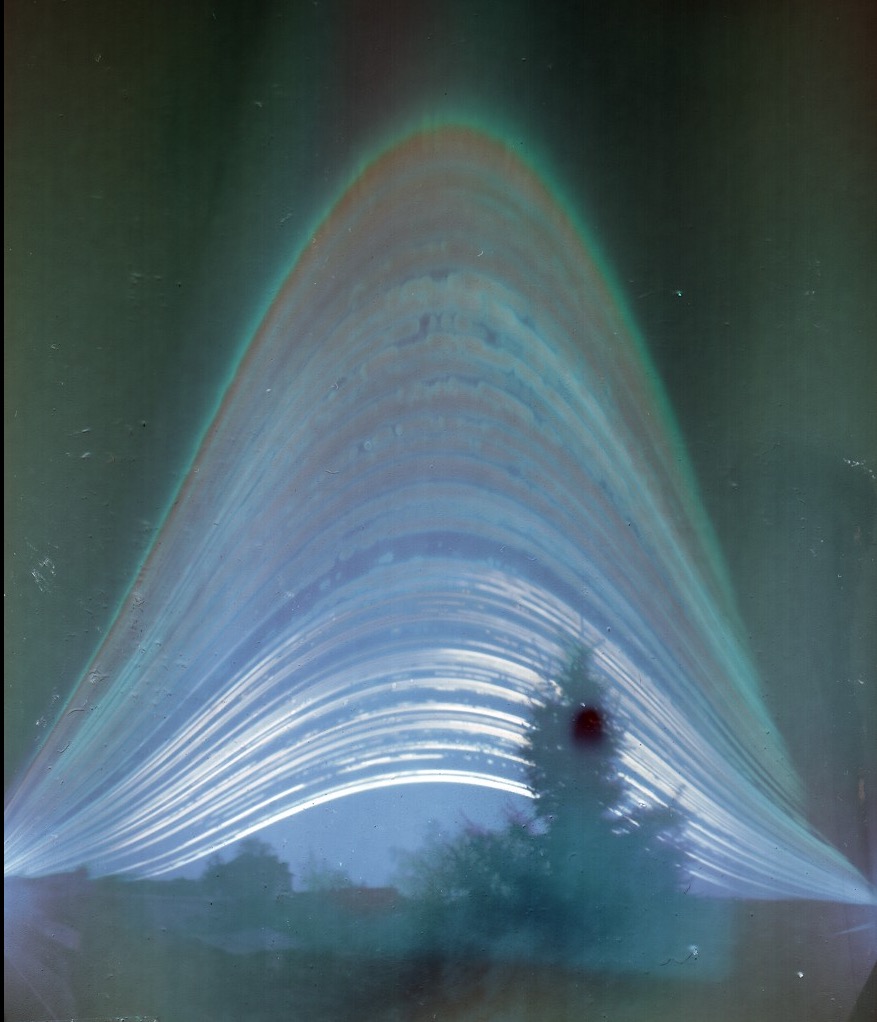
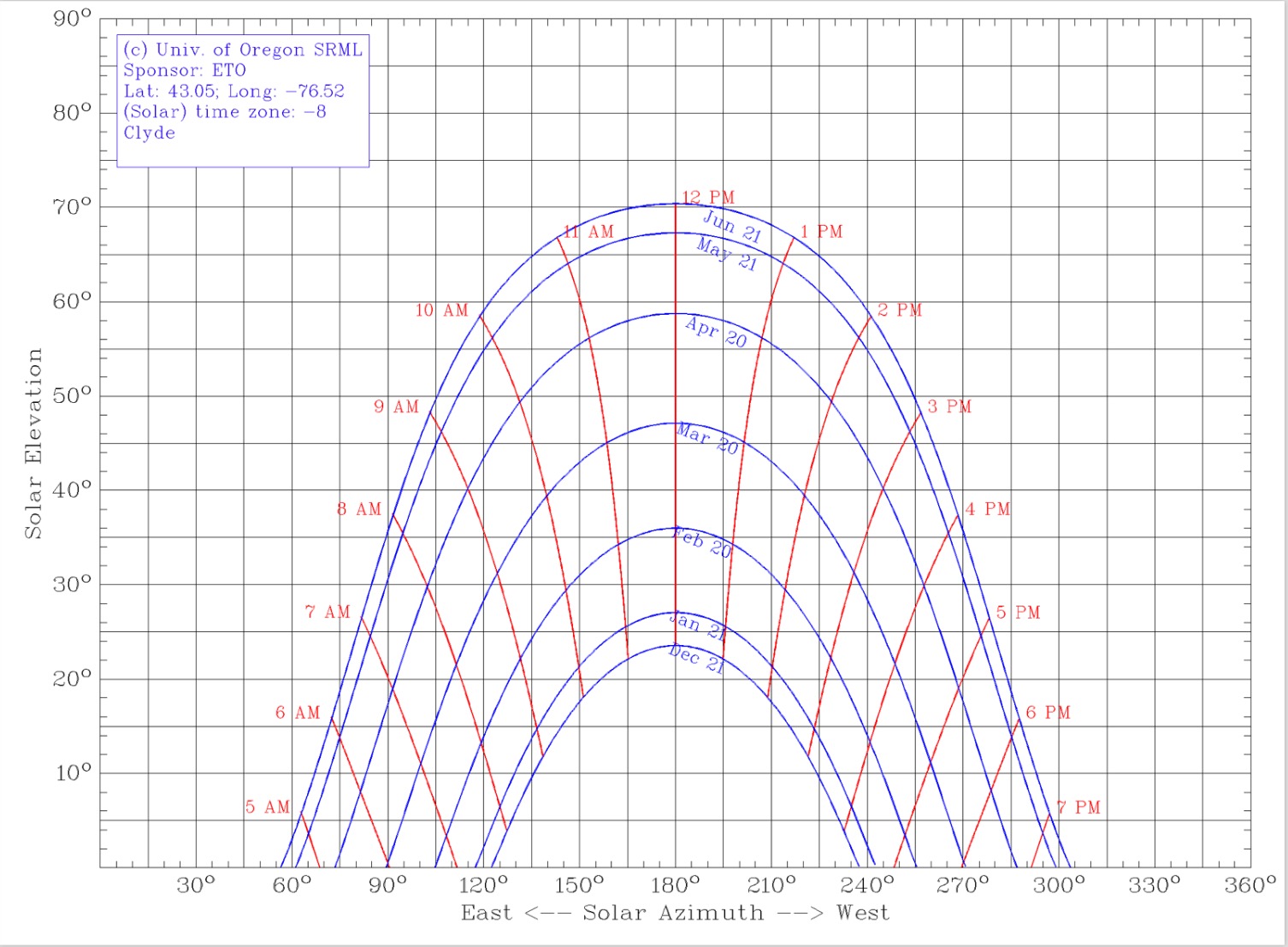
On 18 February 1861 in Clyde, the sun rose at 7:04 AM, and the presidential train arrived at 8:44 AM. Understanding the sun’s position is crucial for analyzing potential photographic conditions.
Clyde’s geographical coordinates are 43°5’3″ N (latitude) and 76°52’13 » W (longitude). Using the University of Oregon’s solar path tools, we can cross-reference the red date line for 18 February with the blue hour line for 8:48 AM on the solar chart. This helps us determine that, at that moment, the Sun’s elevation was below 20 degrees, and its azimuth was close to 135° East.
In the Northern Hemisphere during winter months (December to February), the Sun rises in the southeast, moves across the southern sky at a low angle, and sets in the southwest.
- Sun position: At 8:48 AM, the Sun’s elevation was below 20 degrees, with an azimuth close to 135° East.
- Winter solar path: In February, the Sun rises in the southeast, moves across the southern sky at a low angle, and sets in the southwest.
- Shadow characteristics: The low Sun angle would create distinct, elongated shadows.
- Train orientation: The azimuth of 135° East nearly aligns with the train’s eastward direction towards Syracuse and Albany.
- Photographic setup: This scenario suggests that Lincoln would have been facing the rising Sun, with the photographer positioned on the south bank of the railway, having the Sun at his back.
- Subject positioning: Lincoln would likely have been on the side steps of the platform, facing the Sun, with his back against the empty sky and the crowd.
The resulting low and nearly symmetric shadows — especially those cast by Lincoln’s hat and whiskers — align with this scenario. This calculation provides a foundation for reconstructing a possible photographic event.
Local Historian Wayne Morrison
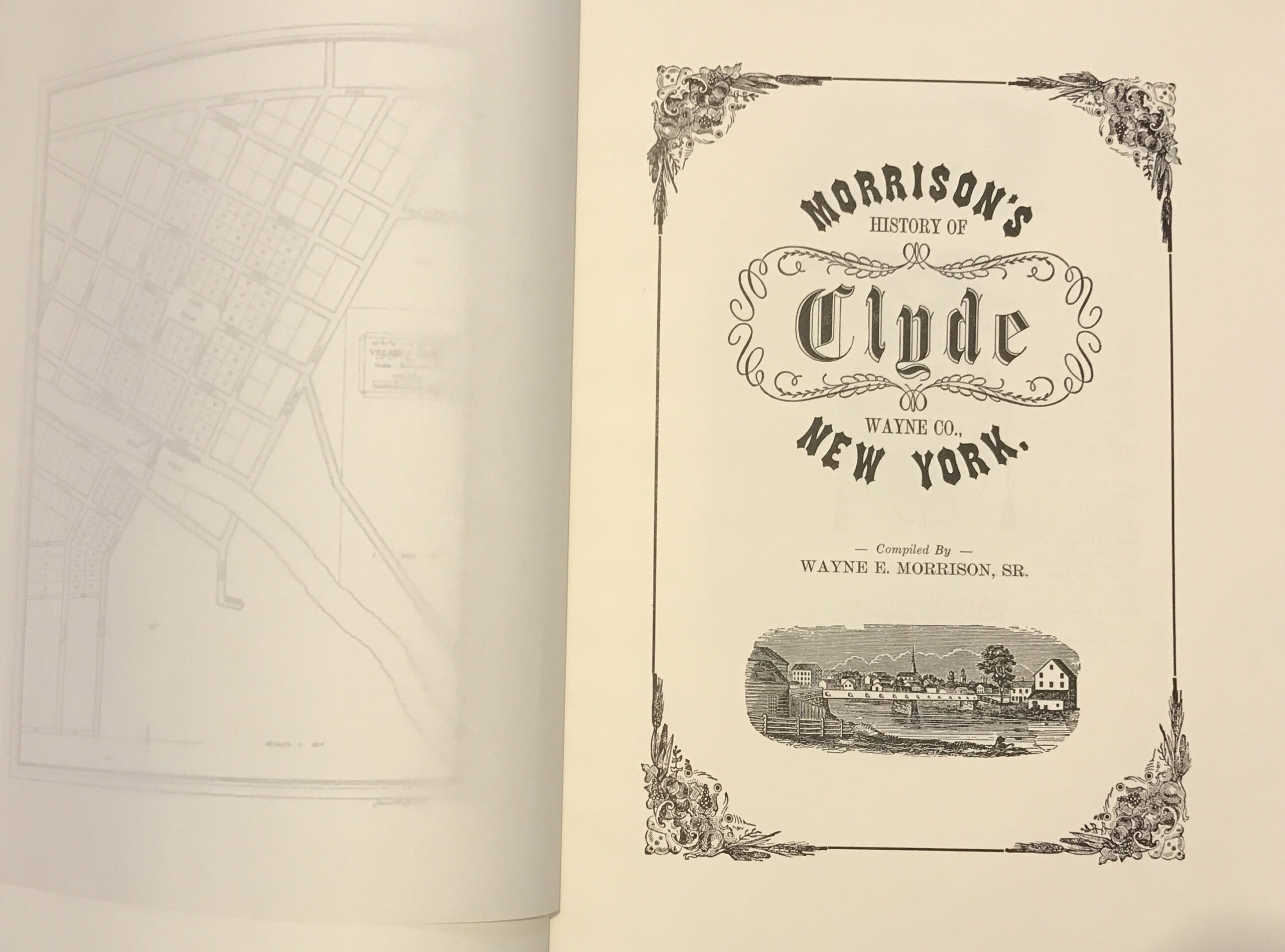
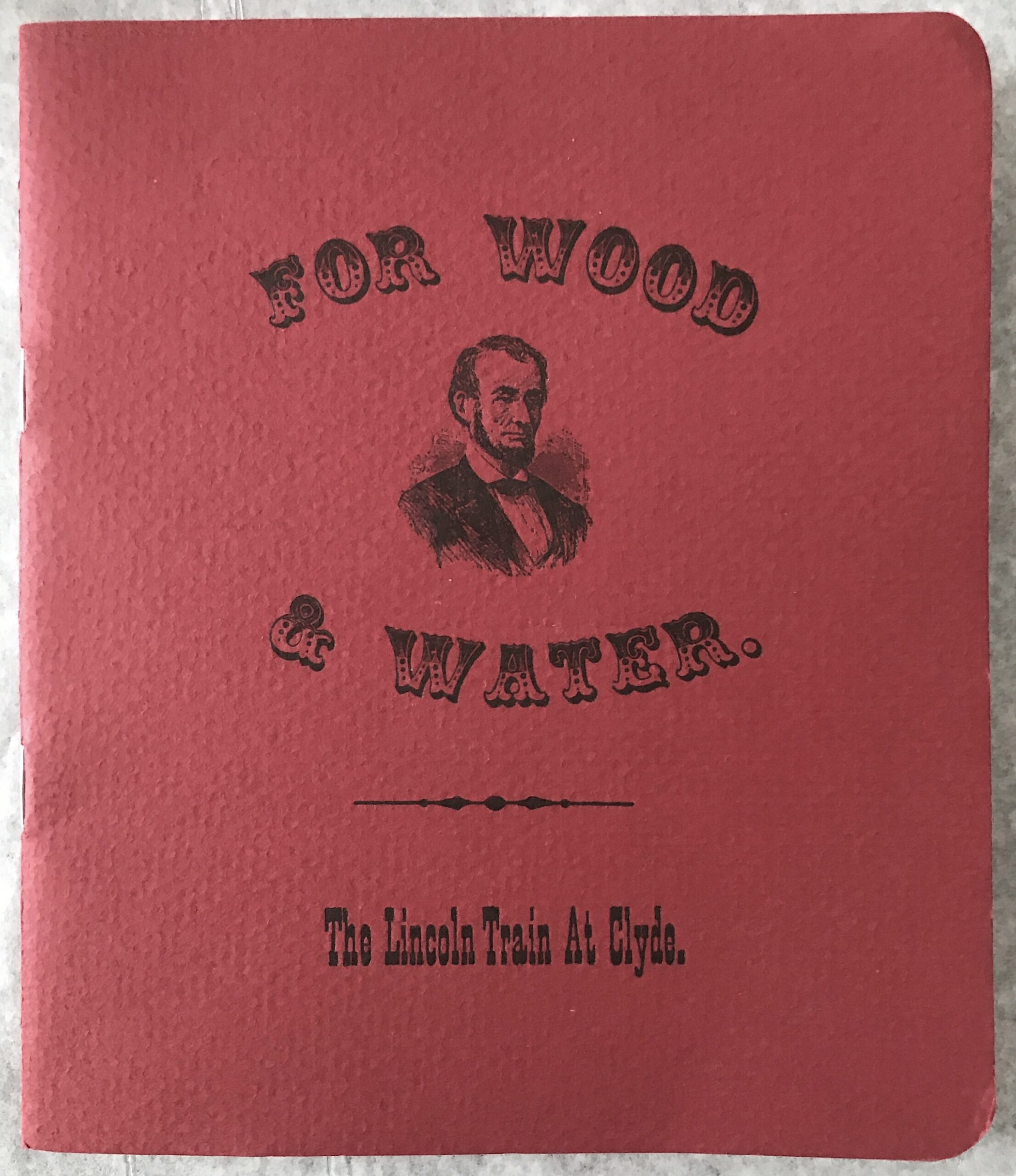
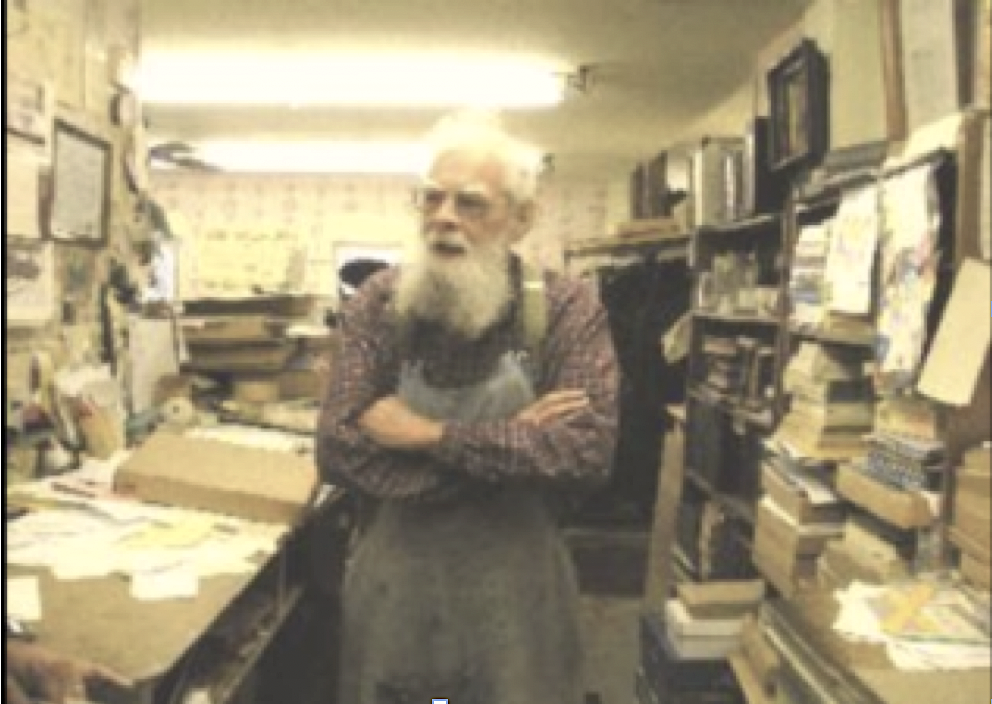
Wayne Morrison (1932–2012), a local typographer and publisher, dedicated forty years of his life to studying local history. The most significant event in Clyde’s history, according to Morrison, was the stop made by Lincoln’s inaugural train and the photograph allegedly taken during this visit. His extensive research was later carefully summarized by John Fagant.
Morrison’s work, Morrison’s History of Clyde, Wayne Co., New York, evolved from a modest 48-page publication in 1955 to a comprehensive 515-page small folio over five editions. The expanded versions included early history of the town of Galen and detailed illustrations of Clyde’s scenery, buildings, and prominent figures.
Morrison’s research on the Lincoln photograph was based on various sources, including local lore and family memories. He wrote:
«A daguerreian artist had made preparations to daguerreotype Mr. Lincoln, and asked that he might stand still on the platform of the car long enough to afford the opportunity. One of the suite sent the ambitious artist an excellent engraved likeness of the President elect.»
The existence of the photograph was further supported by oral history:
«The granddaughters of William Stow, a leader in Clyde at the time of Lincoln’s visit, had mentioned the photograph to a Mr. Butch Nicoletta at some point during the twentieth century, who in turn passed that information on to Mr. Morrison in the 1930s. The granddaughters were born between the late 1860s and 1880s.»
Morrison’s wife, Pat, contributed to preserving this local history by publishing a children’s book — For Wood and Water (2012) — based on family memories of Lincoln’s stop in Clyde, illustrated by her friend Christine Bramer Lauster. The visit of Lincoln in Clyde is seen through the eyes of a young boy, Aaron Pettys, whose younger brother Abraham Lincoln Pettys was born on 26 December 1860.
Fagant noted: «Photo information was obtained in discussions with Wayne Morrison, former resident of Clyde, now of Ovid, N.Y. and author of ‘Morrison’s History of Clyde, Wayne County, New York, 1860–1865.’ The existence of the photograph may have a link from the past.»
Wayne Morrison’s dedication to uncovering this piece of local history exemplifies the ongoing interest in Abraham Lincoln’s life and travels. The mystery of the lost daguerreotype continues to captivate historians and locals alike, serving as a reminder of the rich historical tapestry of small-town America and its connections to national figures.
To be continued — Episode 10: « Investigating a Photographer and his Notable Patron — Roberts and the Stows ».
Sources & Notes
- Documentary History of the State of New-York, compiled by E.B. O’Callaghan, 1849–1851.
- History of Wayne County, NY. Everts, Ensign & Everts, 1877.
- Morrison, Wayne E. Morrison’s History of Clyde, Wayne Co., New York, 5th edition, 1980.
- Pain, Joseph A. The Clyde Weekly Times, 16 February 1861 and 23 February 1861.
- Searcher, Victor. Lincoln’s Journey to Greatness. New York: G.P. Putnam’s Sons, 1960.
- Van Deusen, John P. Personal diary entry, 18 February 1861. Quoted by Wayne Morrison.
- Fagant, John. The Best of the Bargain: Lincoln’s Journey to Washington. Albany, NY: State University of New York Press, 2010.
- Carvalho, Solomon N. Incidents of Travel and Adventure in the Far West. New York: Derby & Jackson, 1856. Quoted by Beaumont Newhall, The Daguerreotype in America. New York Graphic Society, 1968.
- University of Oregon Solar Radiation Monitoring Laboratory, « Solar Path Chart Generator. »
- Morrison, Patricia Wright. For Wood and Water, 2012.
Laisser un commentaire