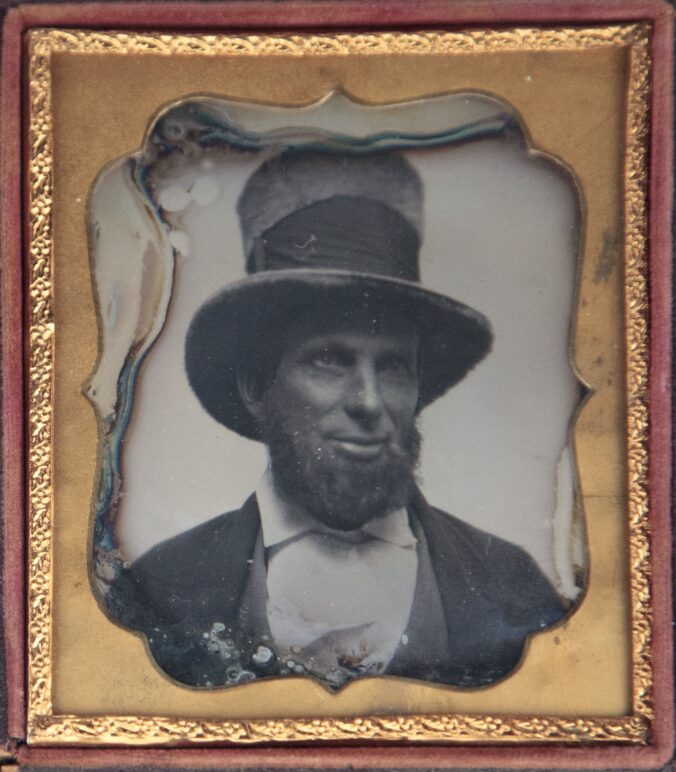
Case, Plate, Tarnish, Stovepipe, Mourning Band, Over-Coat, Collar, Shadows, Background
Extract from the monograph The Mystery of the Lost Daguerreotype — Tracing Lincoln’s Image in 1861 (Senigallia, MMXXVI).
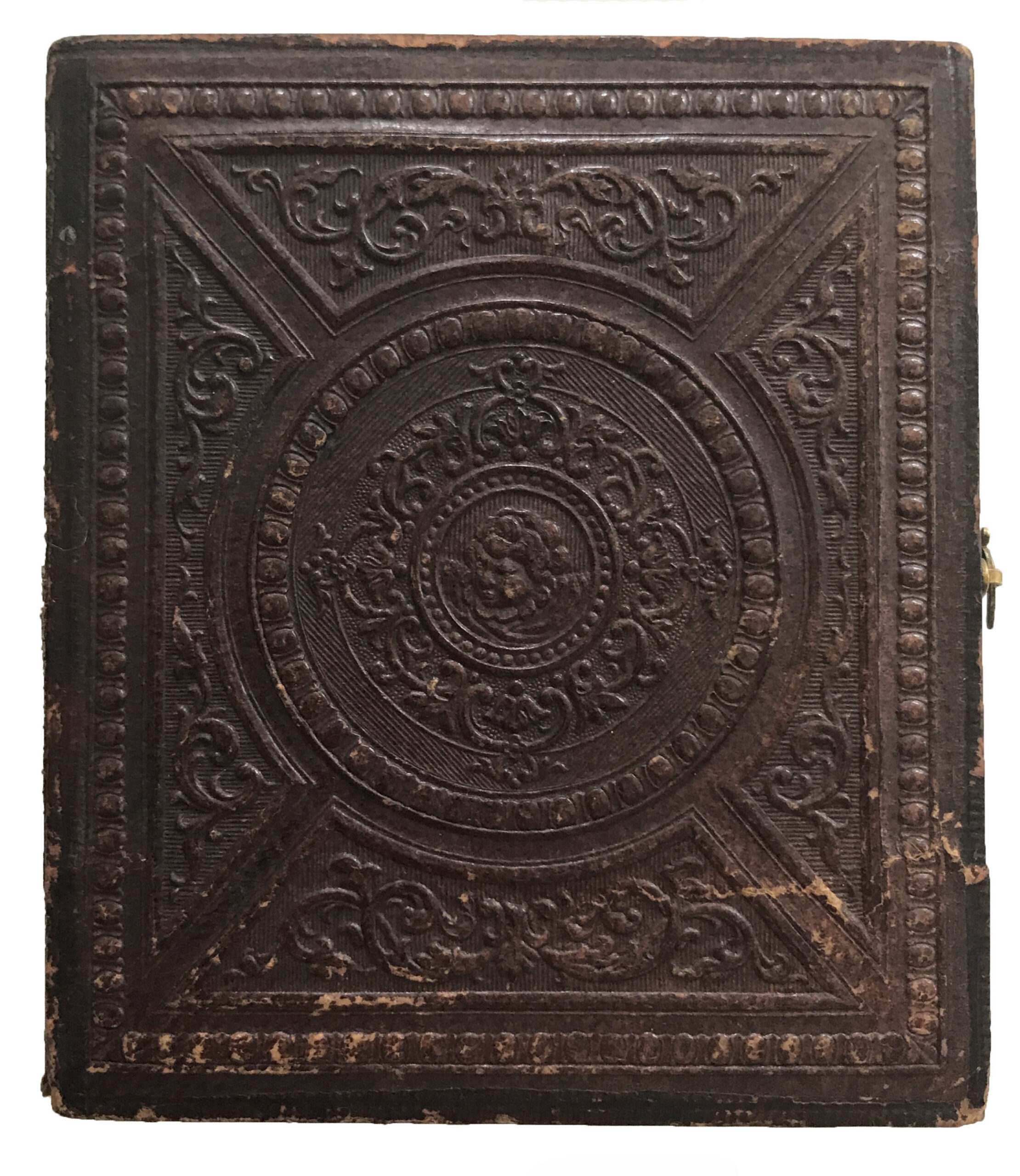
Leather Case and Brass Frame
We begin our study of the subject daguerreotype by measuring and analyzing the small case that protects it.
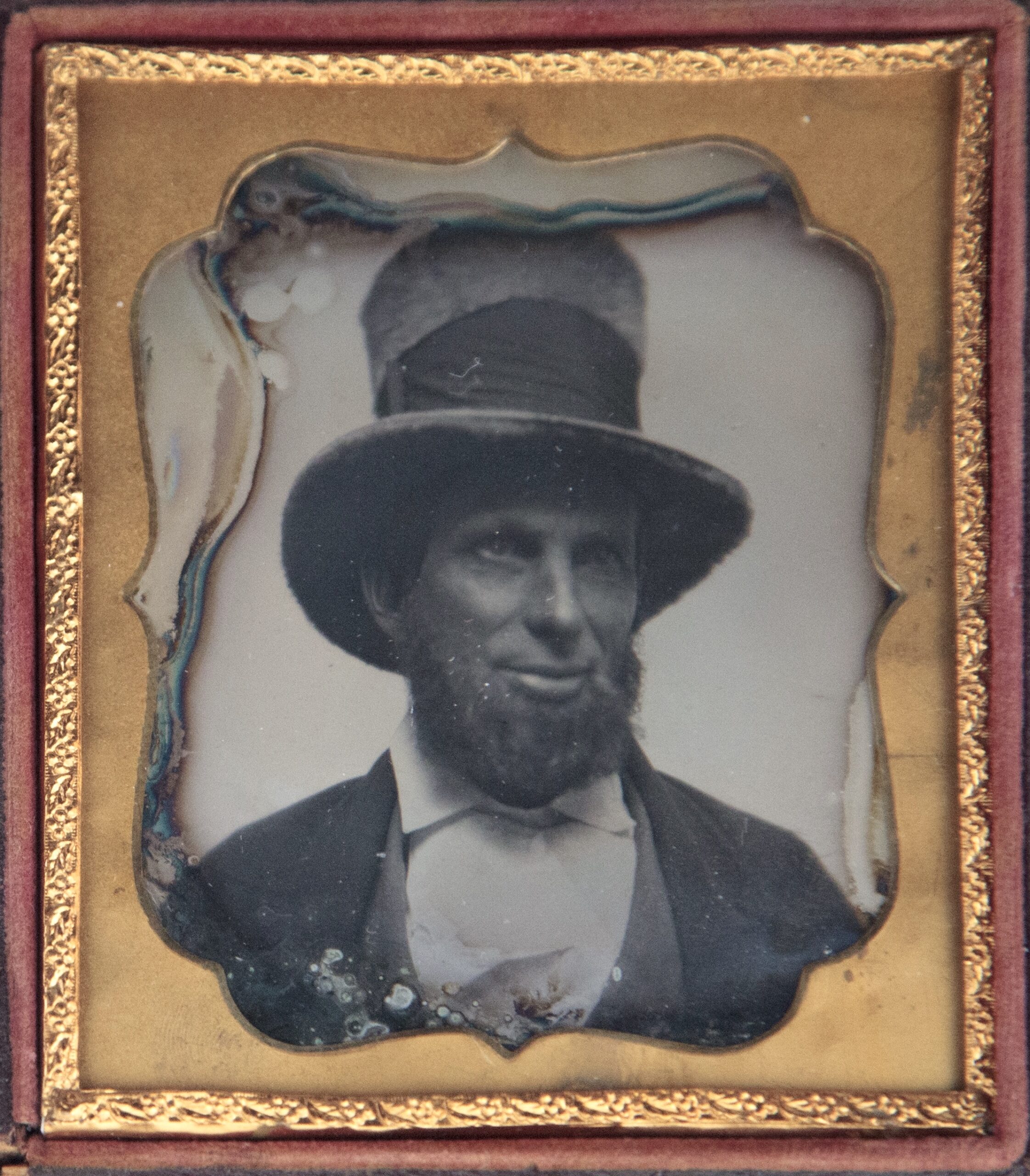
Dimensions of the leather case: 94 x 80 x 14 mm. Dimensions of the brass frame: 82 x 70 mm. The gilt brass mat separates the image surface from the cover glass. Around 1850, a preserver was added to the mat of the daguerreotype, which surrounds the plate and further seals and bonds the mat, cover glass, and plate, reinforcing the paper seal. Dimensions of the plate: 77 x 64 mm.
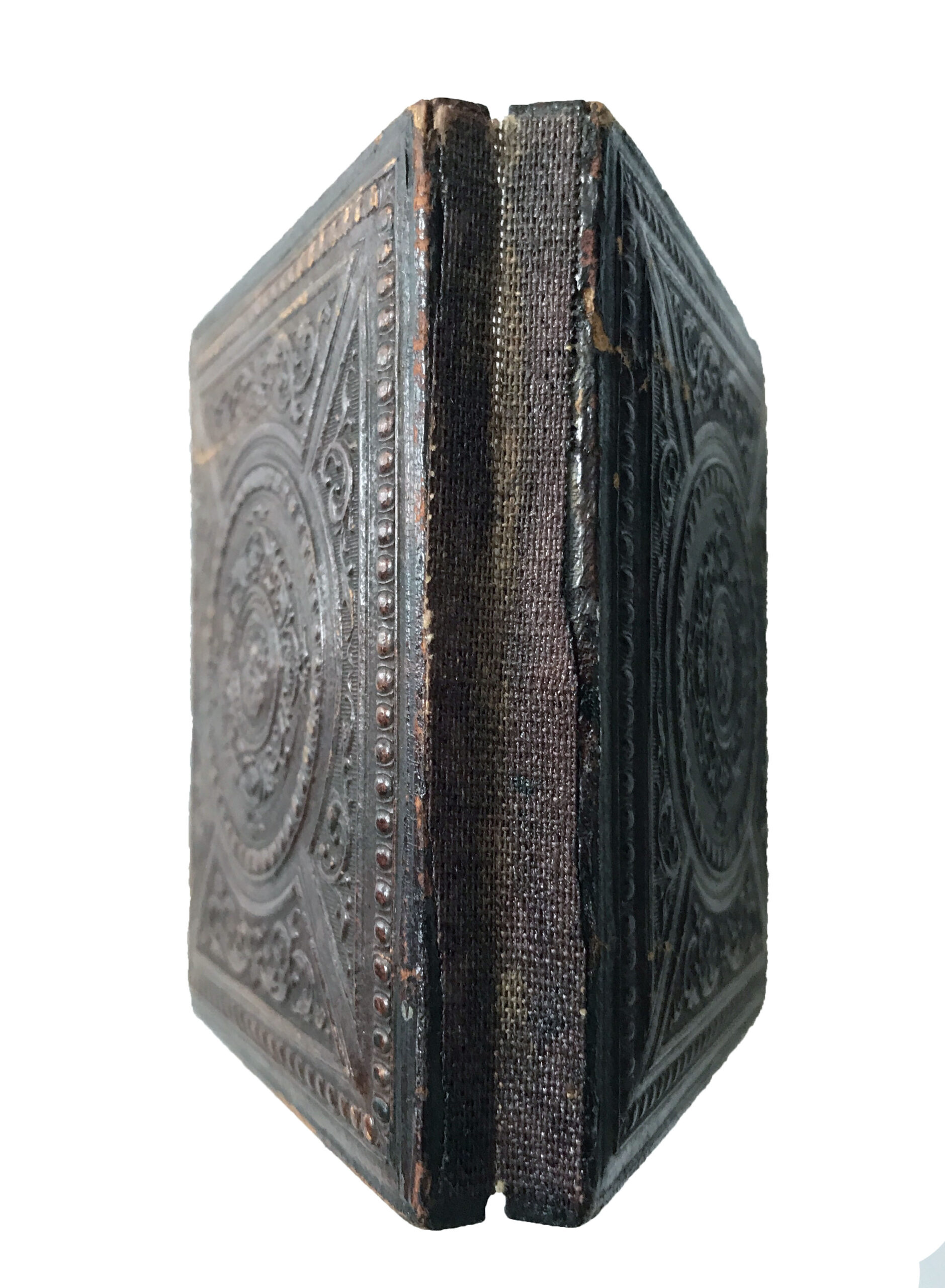
The leather case and brass frame are certainly genuine and vintage but present two interventions: the cover glass has been cleaned and retaped by a recent owner on « 31 October 2016 »; the leather hinge, having been broken at some remote date, was fixed by a previous owner with a barely adequate cloth hinge. There are no identifying marks on the case, cushion, or preserver.
The modest appearance and size of this portrait do not correspond to a portrait of an important person, an inhabitant of a large city frequenting famous studios. Instead, it aligns with what we know of the productions of small-town photographers, conforming in every way to what was provided to clients by a Daguerrian gallery in a community in eastern New York State around 1860. The case and preserver are similar to late-period daguerreotypes, after 1850.
Inspecting the Unframed Plate
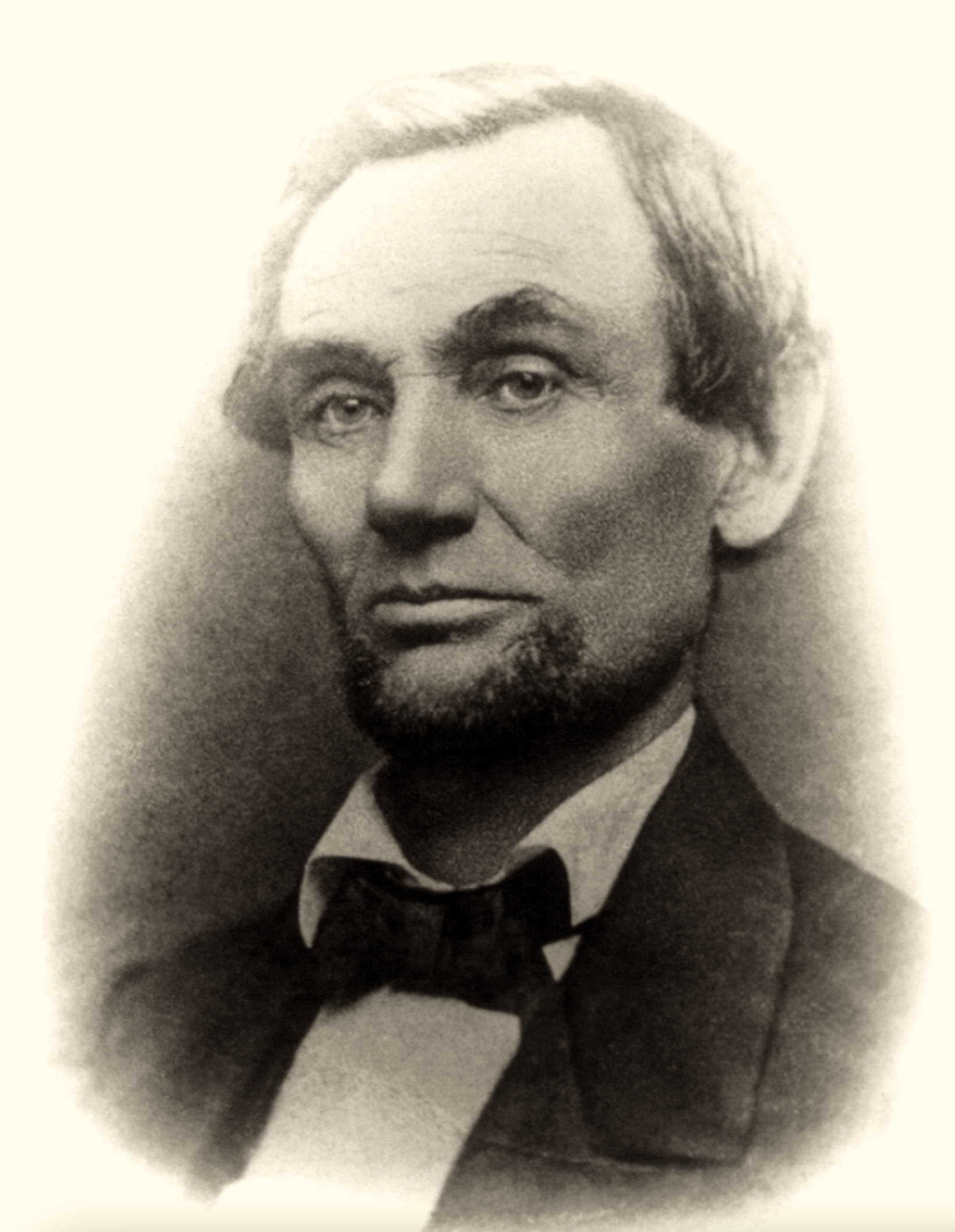
Based on detailed examination of the daguerreotype, we can draw several conclusions about its characteristics and likely date of creation. The daguerreotype is a sixth plate, measuring 3″ x 2½ » (77 x 64 mm), which was a common size for portraits during the daguerreotype era. The plate exhibits several notable features: a hallmark in the lower left corner indicating the plate manufacturer or supplier; an irregular left perimeter due to imprecise cutting and bending; a beveled edge for easier handling during the creation process and to reduce damage to polishing tools; unusual patina and extreme tarnish; oxidation spots of various colors in the lower left part; partial solarization in the white zone of the shirt.
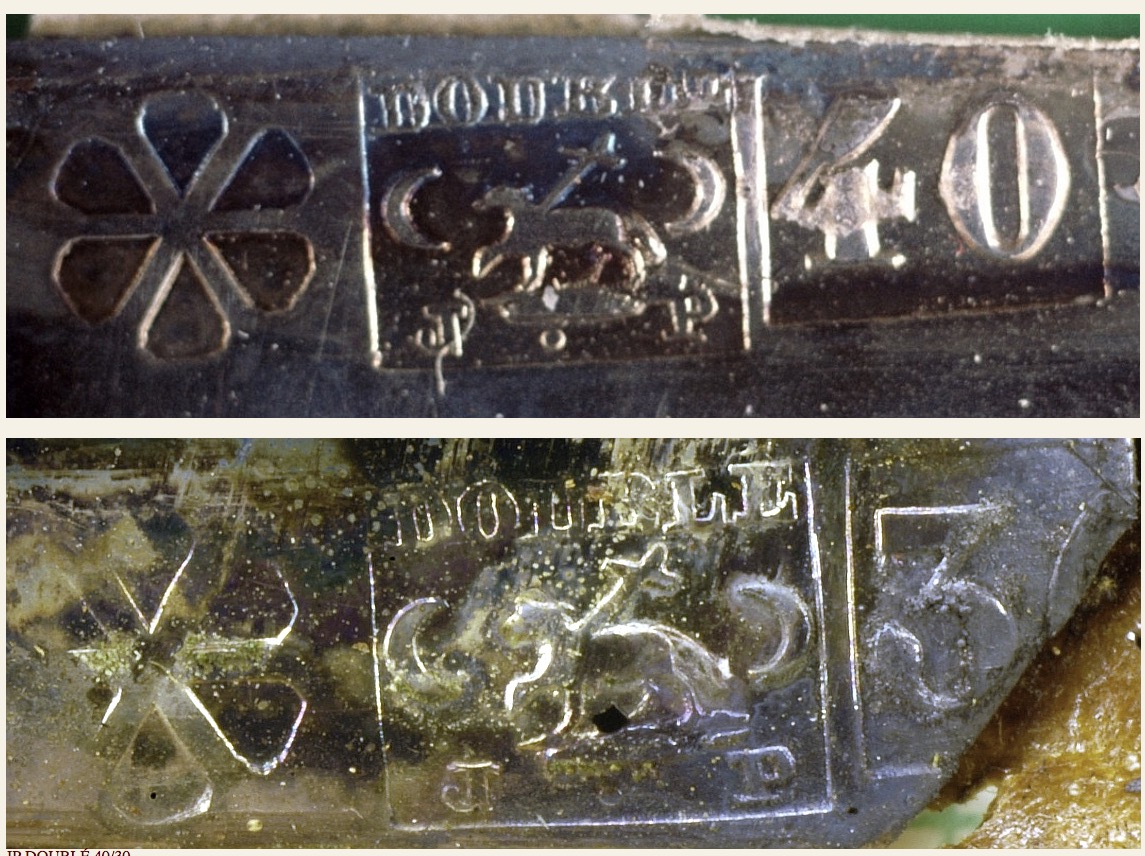
These characteristics, particularly the tarnish and oxidation, are consistent with the aging process of daguerreotypes over time.
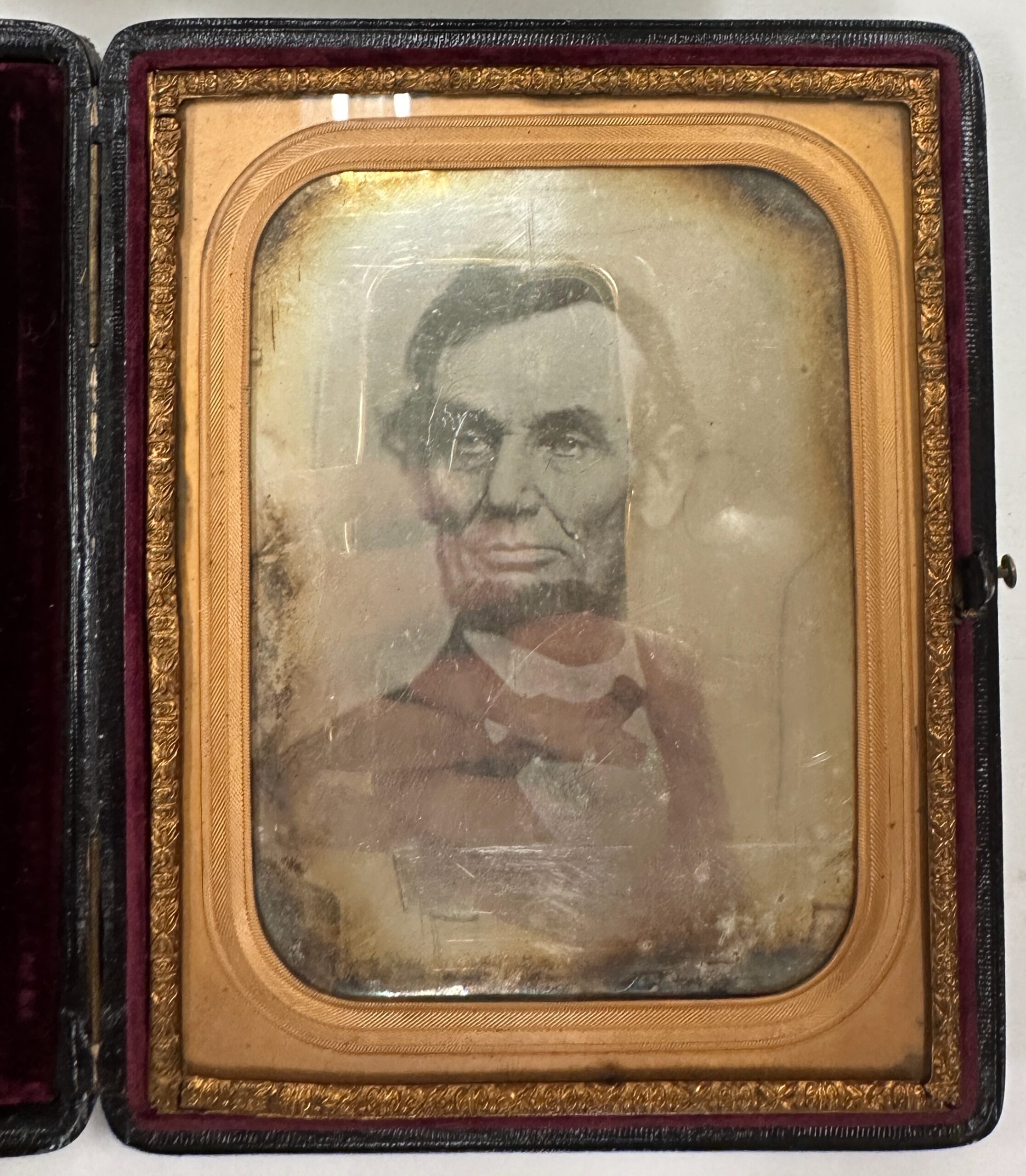
Several factors help narrow down the possible date range for this daguerreotype. By 1861, most U.S. photographers had abandoned daguerreotypes for the wet plate method. 1861 marked the end of the daguerreotype era in the U.S.:
«Soon daguerreotype era was over — Ten years ago we had here (in the North) only Daguerreotypes, now not one.» (American Journal of Photography, October 15, 1861)
The distribution of necessary chemicals for daguerreotype production (iodine, bromide, mercury) ended abruptly around this time. Abraham Lincoln began growing a beard in early November 1860 but didn’t have a full beard until after his February 1861 inauguration. The new bearded image of Lincoln became widely known after February 1861. By spring/summer 1861, when Lincoln’s supporters began adopting bearded appearances, daguerreotype supplies were largely exhausted.
Given these factors, we can deduce that this daguerreotype portrait likely predates Lincoln’s « Public Persona » image with a full beard. The most probable date range is between the early 1850s and late 1860, before Lincoln’s beard became iconic and while daguerreotypes were still the dominant photographic medium.
Sixth Plate: an Affordable Format
The sixth plate format, measuring approximately 70 x 83 mm, became the most common and affordable size for daguerreotype portraits, offering a good balance between image quality and cost-effectiveness. It was particularly favored by everyday citizens and itinerant daguerreotypists. In the 1850s, a sixth plate daguerreotype typically cost between $1 and $2.00.
T. P. and D. C. Collins of Philadelphia advertised their prices in the mid-1840s: $1.50 for their standard daguerreotype, while others charged $3.00. They guaranteed «satisfaction or no charge». By 1853, the Collins firm offered a tiered pricing structure: $1.50 for a « medium » plate (quarter-plate), $2.00 for a « medium fine plate », $1.25 for a one-sixteenth plate daguerreotype.
The plate corresponds to the most affordable format of decent size. This format matches the practices of village photographers going West, who would have favored affordable and portable options for their clientele — a likely choice for a small-town setting like Clyde, Wayne Co.
Hallmark in Lower Left Corner
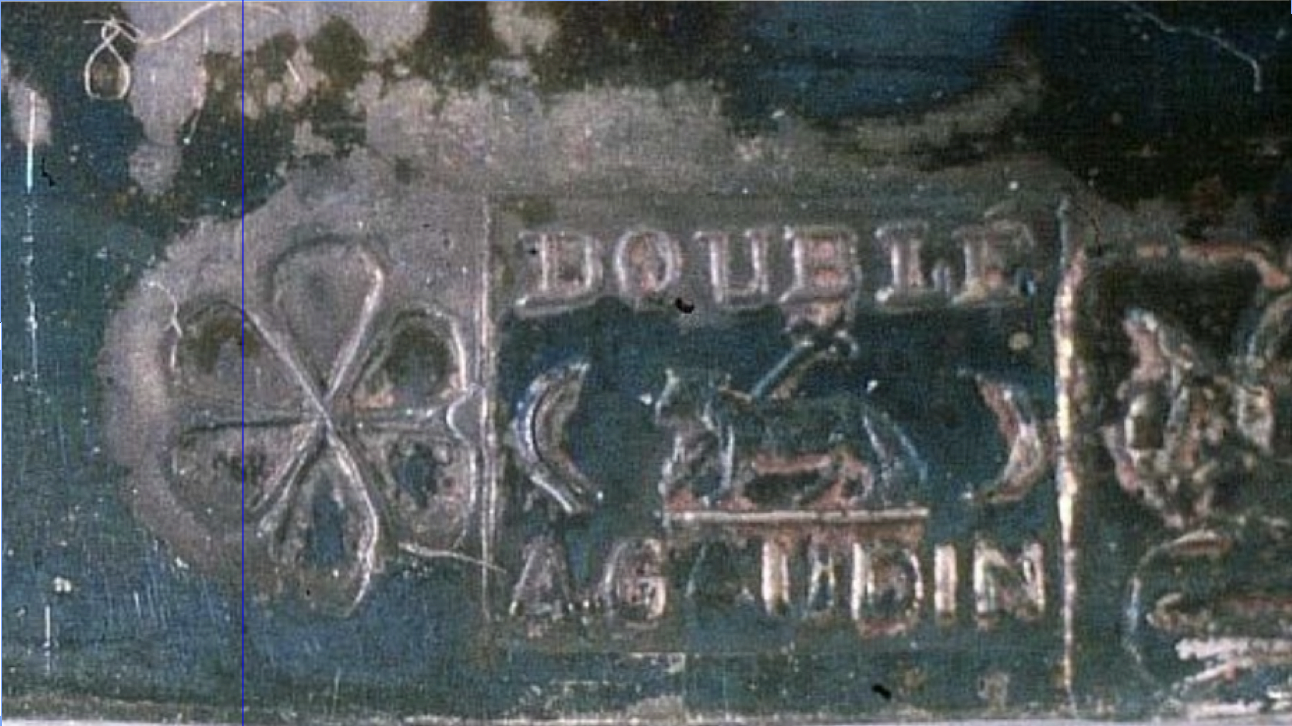
The presence and positioning of hallmarks on daguerreotype plates provide valuable information about their origin and composition. In this case, we are fortunate to have identified a hallmark, albeit not very legible, on the subject daguerreotype.
A scientific catalogue of daguerreian plates hallmarks has been updated in 2014 by Gabriele Chiesa & Gianpaolo Gosio, « Daguerreotype Hallmarks Table ». The hallmark found can be compared with « Asterisk Gaudin Doublé 40 », « Asterisk JP Doublé 30 » and « Asterisk JP Doublé 40 », examples found on some Southworth & Hawes Daguerreian images.
The French word « Doublé » refers to a process where a base metal is covered with a precious metal — in this case, a silver-plated copper plate. The moon symbol was used by alchemists and pewterers to represent silver. The numbers « 30 » or « 40 » indicate the ratio of silver to copper in the plating process. For example, « 40 » would mean 1 part silver to 40 parts copper, representing the thickness of the silver coating on the copper base.
Floyd and Marrion Rinhart, in the New Daguerreian Journal, discuss the spread of French plates in the United States:
«Sometime in the later 1840’s, in about 1848, a number of French daguerreotype plates, led by H. B. brand, followed closely by J. P. and Gaudin brands, began flooding the American market in ever-increasing numbers. By 1850 the French plates had captured the American market.»
By 1850, Scovill’s New York store alone imported 120,000 French plates. The plate exhibits a hallmark characteristic of French-manufactured plates, which were widely used in the United States by the 1850s. The presence of this French plate hallmark aligns with the common practices of daguerreotypists in New York state during this period, including those operating in smaller towns like Clyde.
Tarnish: Created by Mishandling
Daguerreian plates often exhibit some regular tarnish around the edges, or wherever a protective glass has been broken, but the subject daguerreotype displays unusual colorful silver variations. This tarnish is not a result of aging or later deterioration, but a direct consequence of original manipulation — specifically mishandling during the heating process.
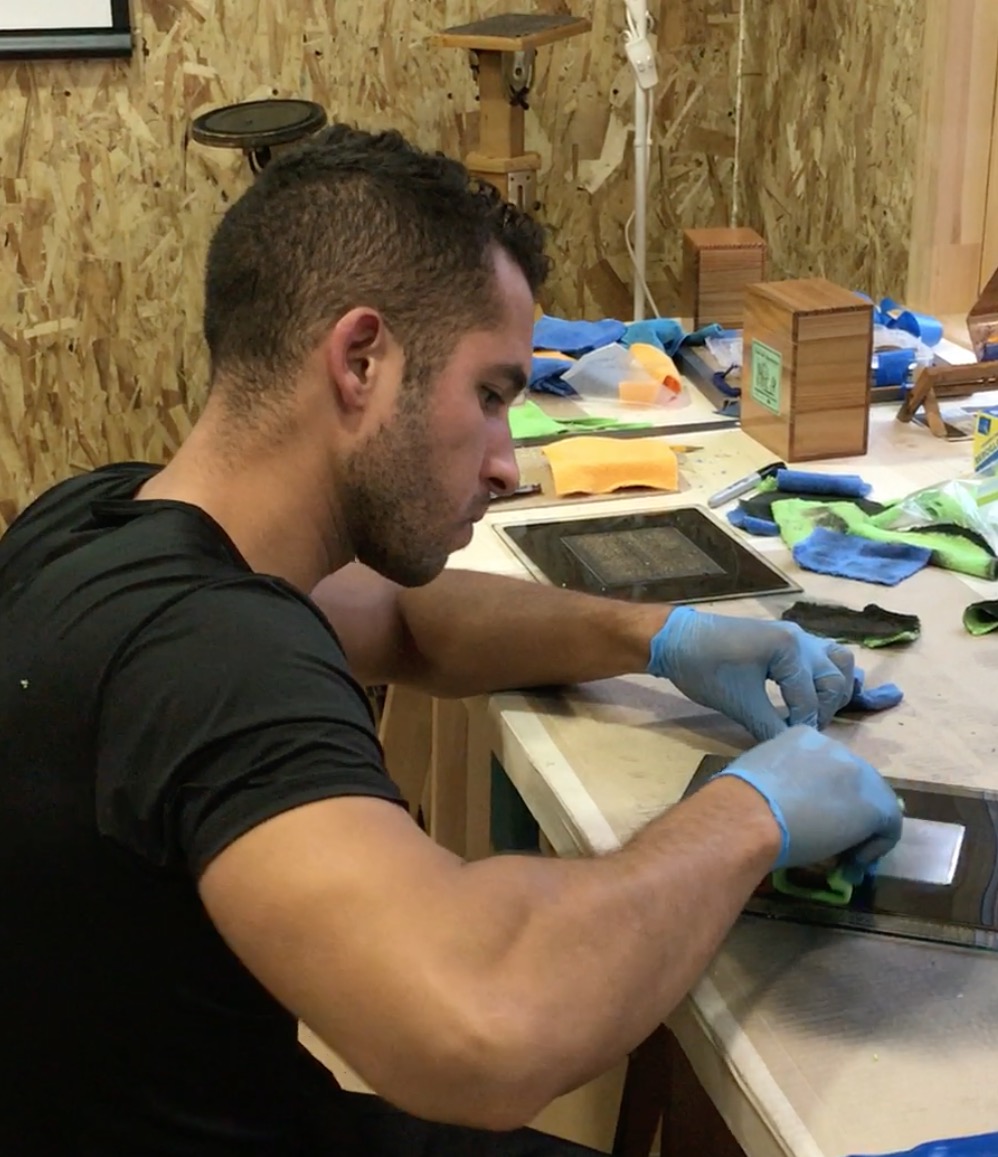
To better understand the plate, we decided to learn the daguerreian process and create a similar portrait, following Mrs. Cobb’s advice from the Library of Congress: «Try to engrave something yourself according to the old methods of hand work.» The daguerreian process involves several steps:
1. Polishing a silver-plated copper sheet to a mirror finish 2. Fuming the plate to render it light sensitive (usually iodine and bromine) 3. Exposing it in a camera in front of your subject 4. Developing the latent image with mercury vapour 5. Fixing the image and gilding 6. Drying with heat of a candle 7. Adding a mat and sealing behind glass before placing in the final enclosure
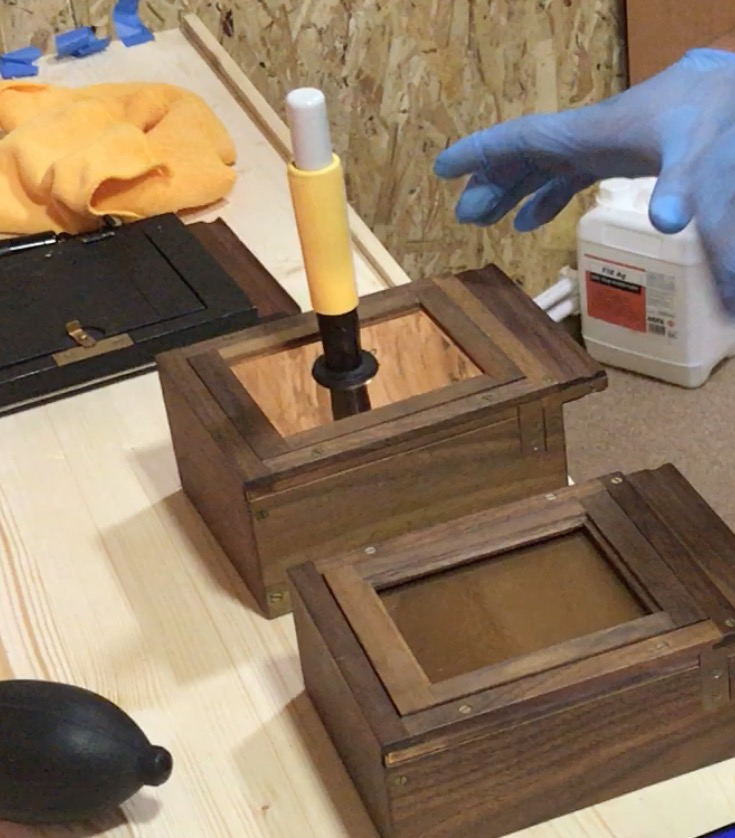
The subject daguerreotype’s unusual colorful silver variations and weird tendrils of tarnish creating a rainbow frame of colors are likely the result of mishandling during the heating process, specifically during phase 6 of the daguerreotype creation. The green eruptions along the bottom of the plate are particularly noteworthy. Such effects can occur when the plate is unevenly heated or exposed to contaminants during the drying phase. Once these effects are created, they become permanent, as even the lightest wiping can permanently affect the delicate surface of a daguerreotype.
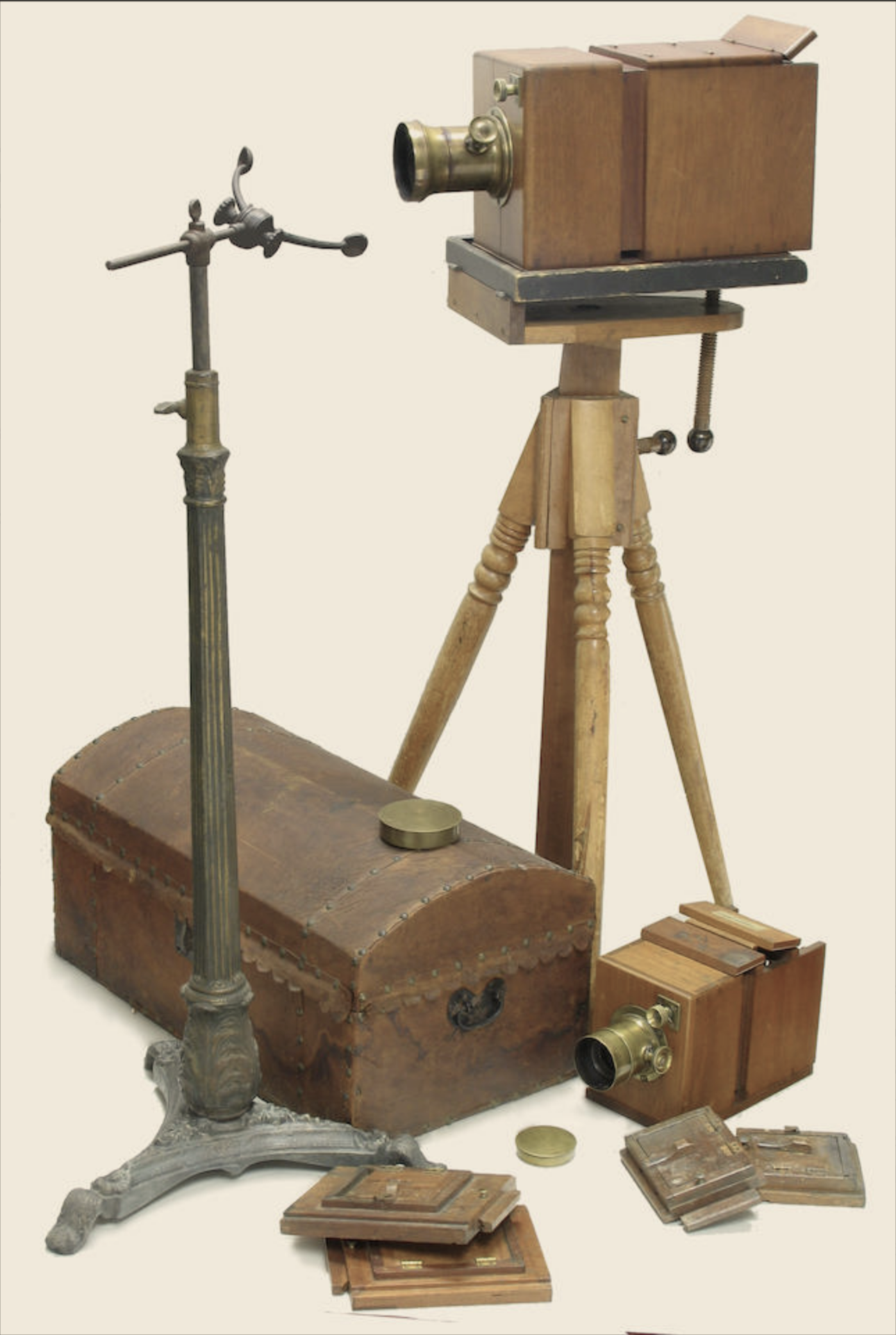
In Clyde’s situation, the cold outdoor temperatures may have necessitated warming the plate in a stove before placing it in the mercury box. This additional handling, combined with the time pressure of the departing train, could have led to the unique tarnish patterns observed. The photographer, unable to retake the portrait due to the President-elect’s departure, was forced to preserve the image despite its imperfections.
This daguerreotype serves as a rare example of preserved processing accidents, as the typical practice was to re-polish and reuse plates with tarnish. Its preservation offers valuable insights into the challenges faced by 19th-century photographers working under less-than-ideal conditions.
Tilted Perspective
Early photographers often faced significant challenges when working outside of controlled studio environments, particularly in event photography or situations with limited time and resources. These challenges frequently led to improvised setups that could affect the final image.
The model is centered in the frame. There is a noticeable tilt of approximately -3° angle to the orthonormal reference frame.
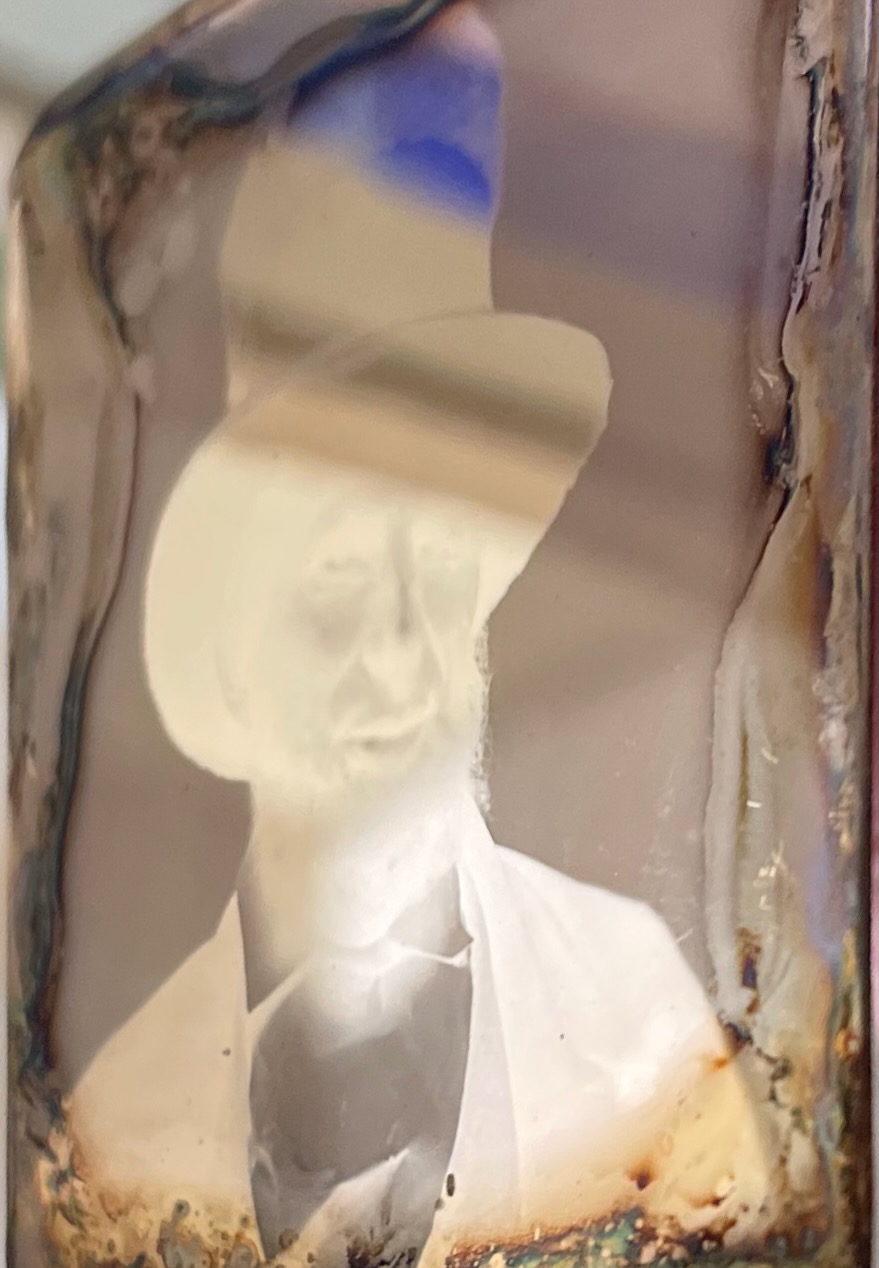
The tilted perspective in the daguerreotype can be attributed to the challenging conditions faced by the photographer in Clyde. According to the New York Times reporter, the photographer placed his tripod «on a convenient wood-pile». However, convenience did not necessarily equate to stability or levelness. The uneven surface of the wood pile, together with the time constraints and the very cold weather, limited setup optimization.
This improvised setup reflects the resourcefulness required of early photographers, who often had to balance technical requirements with practical limitations. The resulting tilt in the image provides insight into the real-world challenges faced by daguerreotypists working outside of controlled studio environments. It serves as a reminder of the technical and logistical hurdles that early photographers had to overcome, particularly when documenting significant events or figures in less-than-ideal settings.
High-Definition Digitization Process
To thoroughly examine the subject daguerreotype, we asked young scholar Aurelien Vila to create several high-definition images of the bare plate, removed from its frame and protective glass. This process involved experimenting with different lighting and contrast settings to capture a wide range of details.
Since the 2000s, with the rise of digital technologies, numerous new techniques based on photography have emerged. Among these, Reflectance Transformation Imaging (RTI) allows for the modeling of how an object or scene interacts with light. Here we focus on a neutral, balanced digitization: varying brightness and contrast levels to highlight different features; lateral reversal correction (daguerreotypes are typically mirror images, so we digitally reversed the images using horizontal symmetry); and a slight 3° clockwise rotation to correct the original tilt. This approach allows us to compare the subject daguerreotype with studio portraits of Abraham Lincoln, free from mirror effects or unbalanced camera angles.
Physical Evidences — Beaver Stovepipe
The comparison between the subject daguerreotype model and President-Elect Lincoln’s attire during his inaugural journey could reveal significant pieces of evidence, particularly regarding his stovepipe hat.
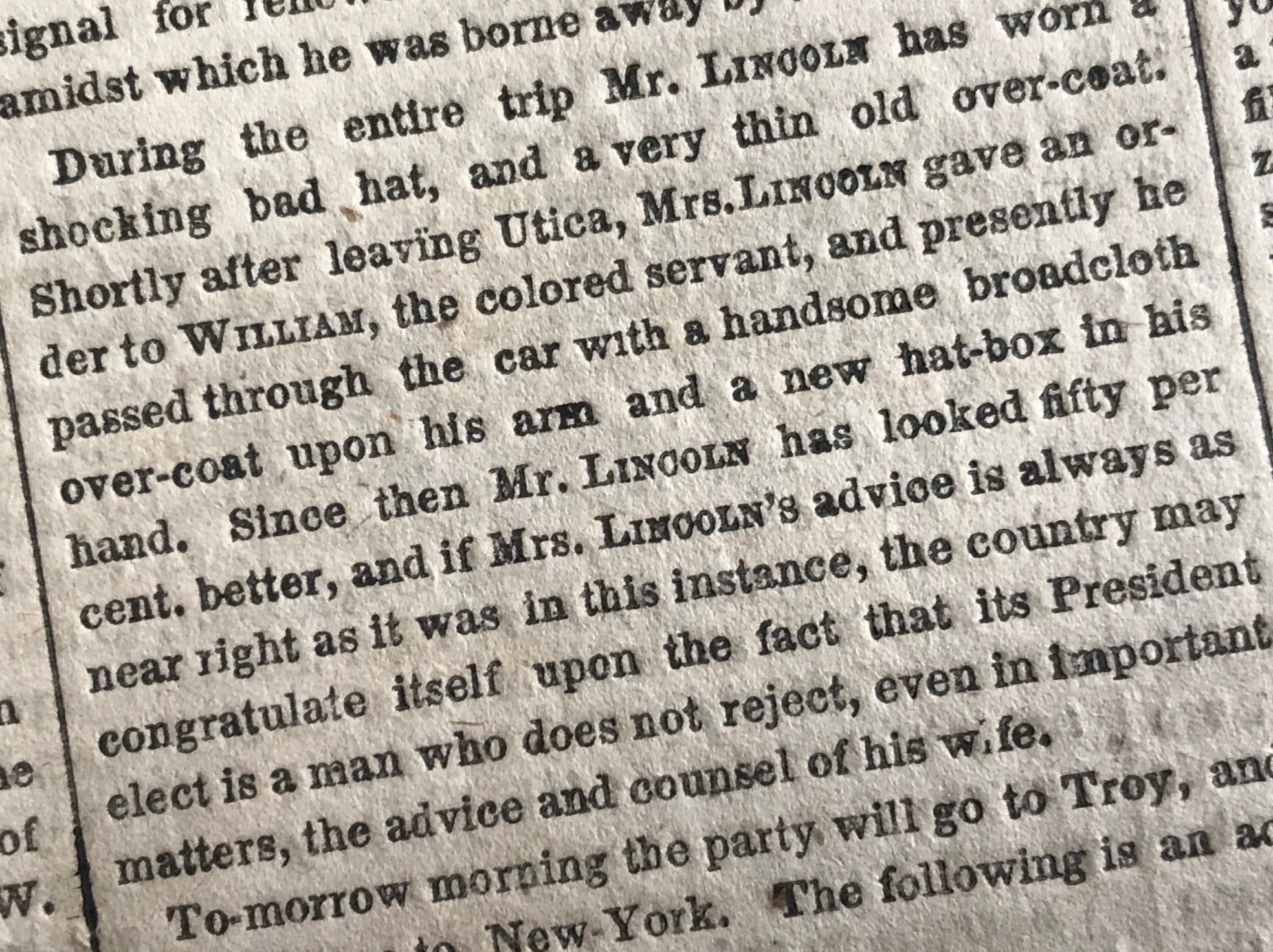
The New York Times article of 19 February 1861 vividly describes Abraham Lincoln’s appearance during his journey to Washington: «During the entire trip Mr. Lincoln has worn a shocking bad hat…» This unflattering headwear and tired clothing persisted until noon on February 18, 1861. The article continues: «Shortly after leaving Utica, Mrs. Lincoln gave an order to William the color servant… Since then Mr. Lincoln looked fifty per cent better…»
Notably, just three hours after the stop in Clyde, Abraham Lincoln exchanged his « shocking bad hat » for an elegant new one. No known portraits of Lincoln wearing a stovepipe hat exist before his arrival in New York City on the afternoon of 19 February. The New York Times article precisely pinpoints when the President-Elect first donned one of his elegant black stovepipes — an image that would become legendary — on 18 February, around noon.
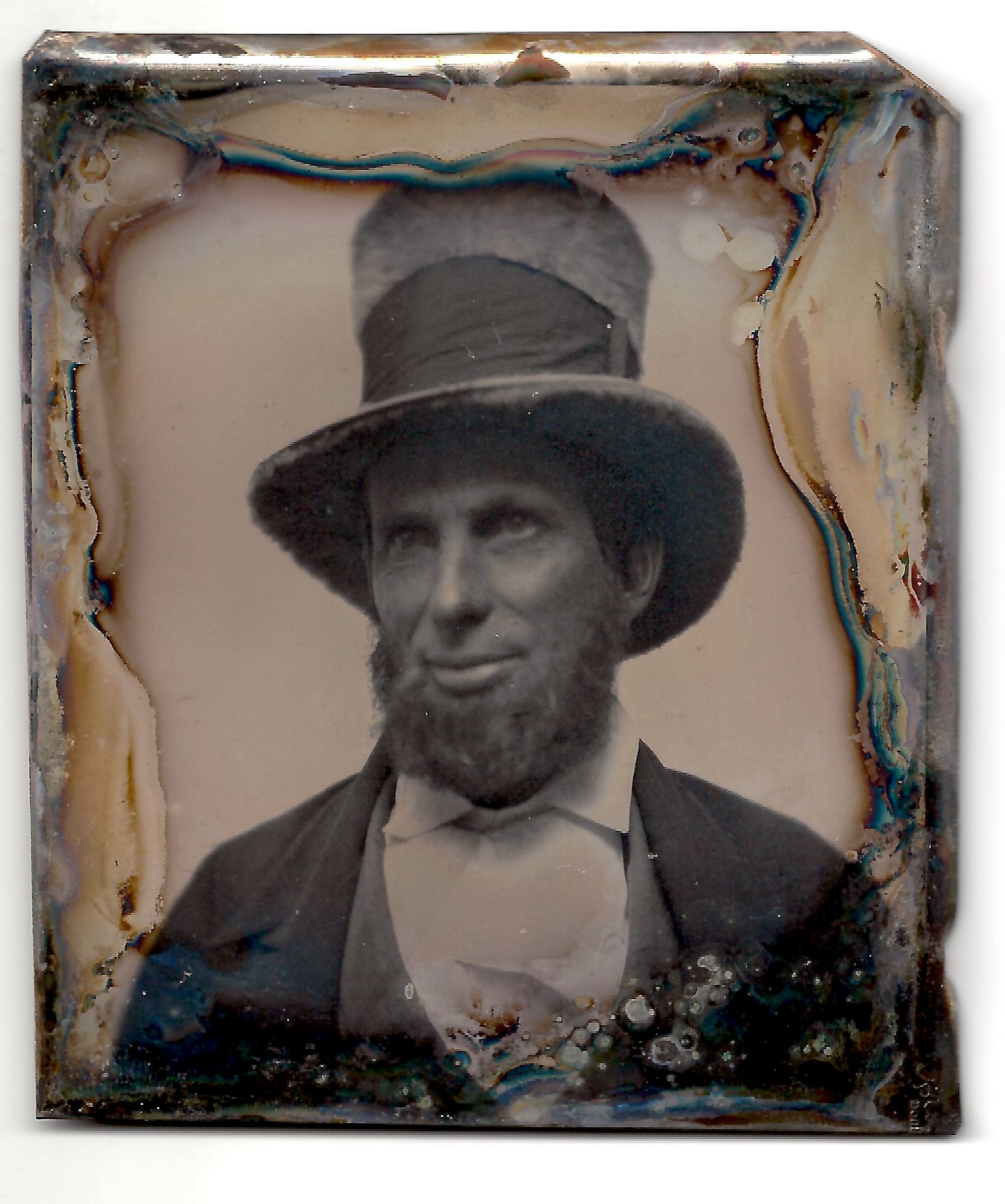
Lincoln’s stature and his iconic hat are described thus by the Smithsonian institution:
«Abraham Lincoln was our tallest president. At 6-foot-4, he would stand out even today, and he certainly towered over the men and women of his era. The top hat he habitually wore in public made him taller still. You couldn’t miss him in a crowd. The 16th president wore the top hat in war and peace, on the stump and in Washington, on occasions formal and informal. He wore it the night he was assassinated…»
After February 19, 1861, outdoor portraits consistently show President Lincoln with elegant black silk hats. These hats were likely a gift from Mrs. Louisa Livingston Siemon, who had sent two stovepipes expressly made in New York for his inauguration. Lincoln’s hat size corresponded to a 22-inch circumference.
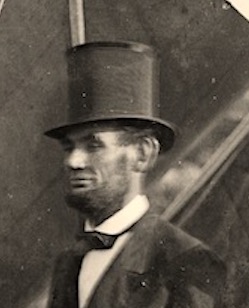
While there’s no direct evidence of Lincoln himself stating the origin of his hat, all accounts, including an autographed letter, suggest that the brand new hat worn by the President-Elect upon his arrival in New York on 19 February was one of the two sent by Mrs. Siemon to Springfield on 10 December 1860.
When Lincoln left Springfield for Washington thirteen days earlier, he had sold most of his family’s furniture at auction and took only minimal luggage. During the first days of his journey, he likely wore simple clothes, both to honor the common people who had voted for him and to cope with the smoke and dirt of early locomotives.
Mourning Ribbon
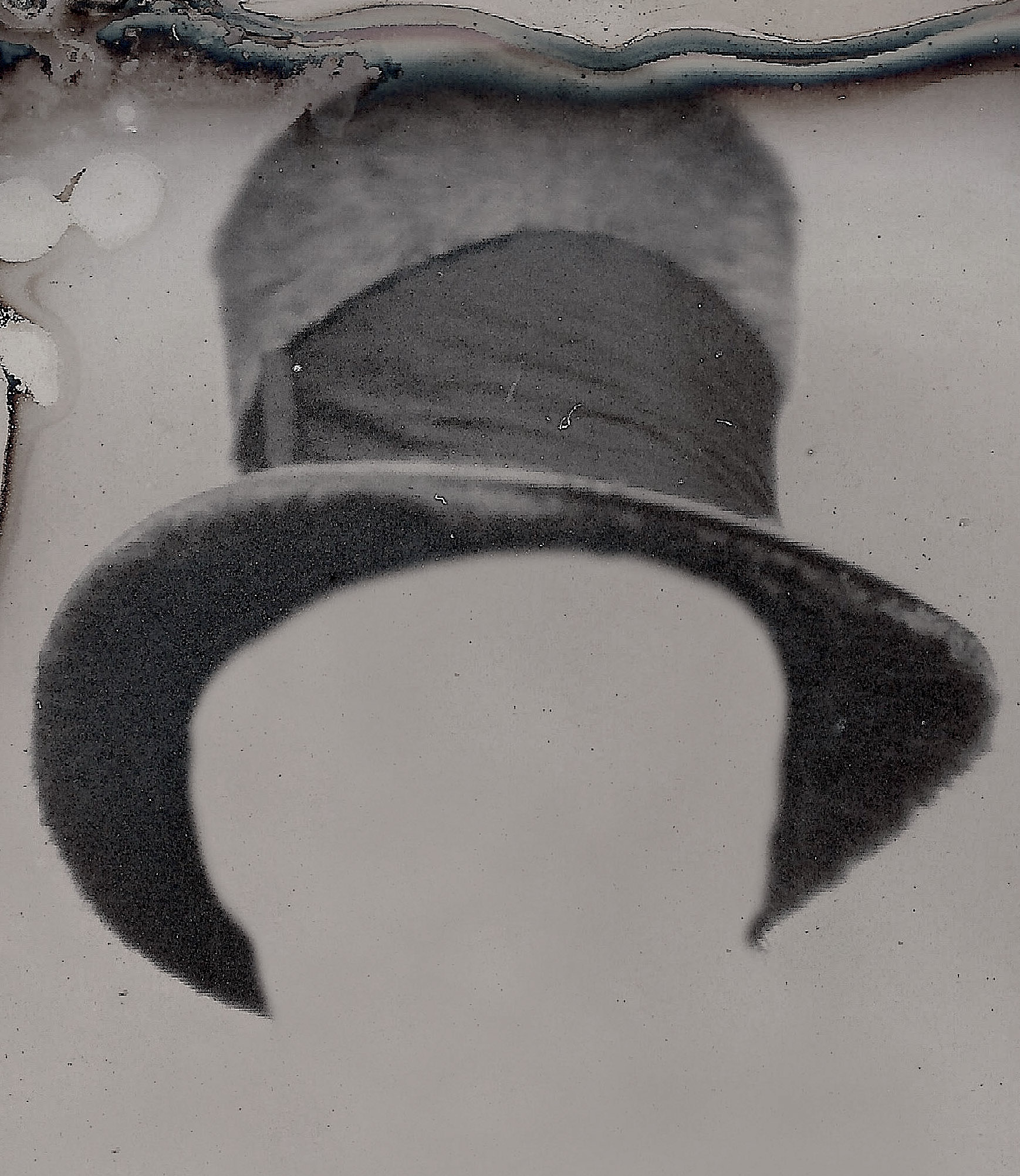
The subject daguerreotype model is wearing a fur stovepipe, likely a beaver hat, with a large black silk mourning band. This detail is significant when compared to our knowledge of Abraham Lincoln’s attire during his inaugural journey and throughout his presidency.
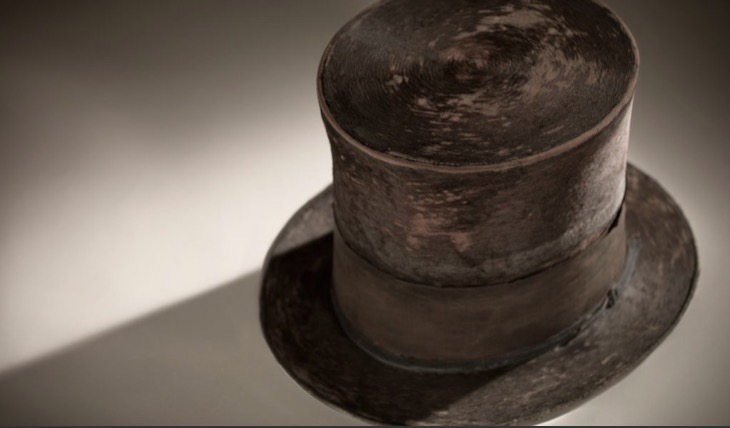
According to the New York Times article, Lincoln wore a « shocking bad hat » during most of his journey, until noon on February 18, 1861, when Mrs. Lincoln ordered an improvement in his appearance. Notably, this change occurred just three hours after the stop in Clyde.
However, none of the 130 known photographic portraits of Abraham Lincoln depict him wearing a hat with a mourning band during this period. The last portraits of Lincoln with a visible hat (without a mourning band) are from Antietam in October 1862. Lincoln is known to have added a silk mourning band after the death of his son Willie (February 20, 1862) and as the Civil War intensified.
Lincoln’s known mourning hat, now kept at the Smithsonian, «was acquired from J. Y. Davis, a Washington hat maker. It is approximately a modern size 7 1/8, trimmed with two bands: a thin 3/8″ ribbon with a small metal buckle and a 3″ grosgrain black mourning band (added later).» This hat was worn on the day of his assassination.
Before 1861, while in Springfield, Lincoln could have added a mourning band after the death of his son Eddie (February 1, 1850) or, less probably, after the death of his father, Thomas Lincoln (January 17, 1851). However, there would have been no reason for the president-elect to put a mourning ribbon on a new hat during his inaugural journey.
If the hat in the subject daguerreotype is indeed Lincoln’s, it could potentially be 12 years old. Lincoln’s choice to wear an old hat during travel can be interpreted in several ways: protection of newer clothing from the dirt and grime associated with 1860s train travel; relatability — wearing a « shocking bad hat » could have been a deliberate choice to appear more relatable to common people; practicality — an old, familiar hat might have been more comfortable for extended travel. The mourning band on this old hat could be explained by reuse of old items (Lincoln, known for his frugality, might have repurposed an old mourning band) or previous mourning (if the hat was indeed over 12 years old, the band could have been added after the death of his son Eddie in 1850).
Over-Coat
The comparison between the subject daguerreotype model and President-Elect Lincoln’s attire during his inaugural journey reveals another intriguing piece of evidence when examining the over-coat.
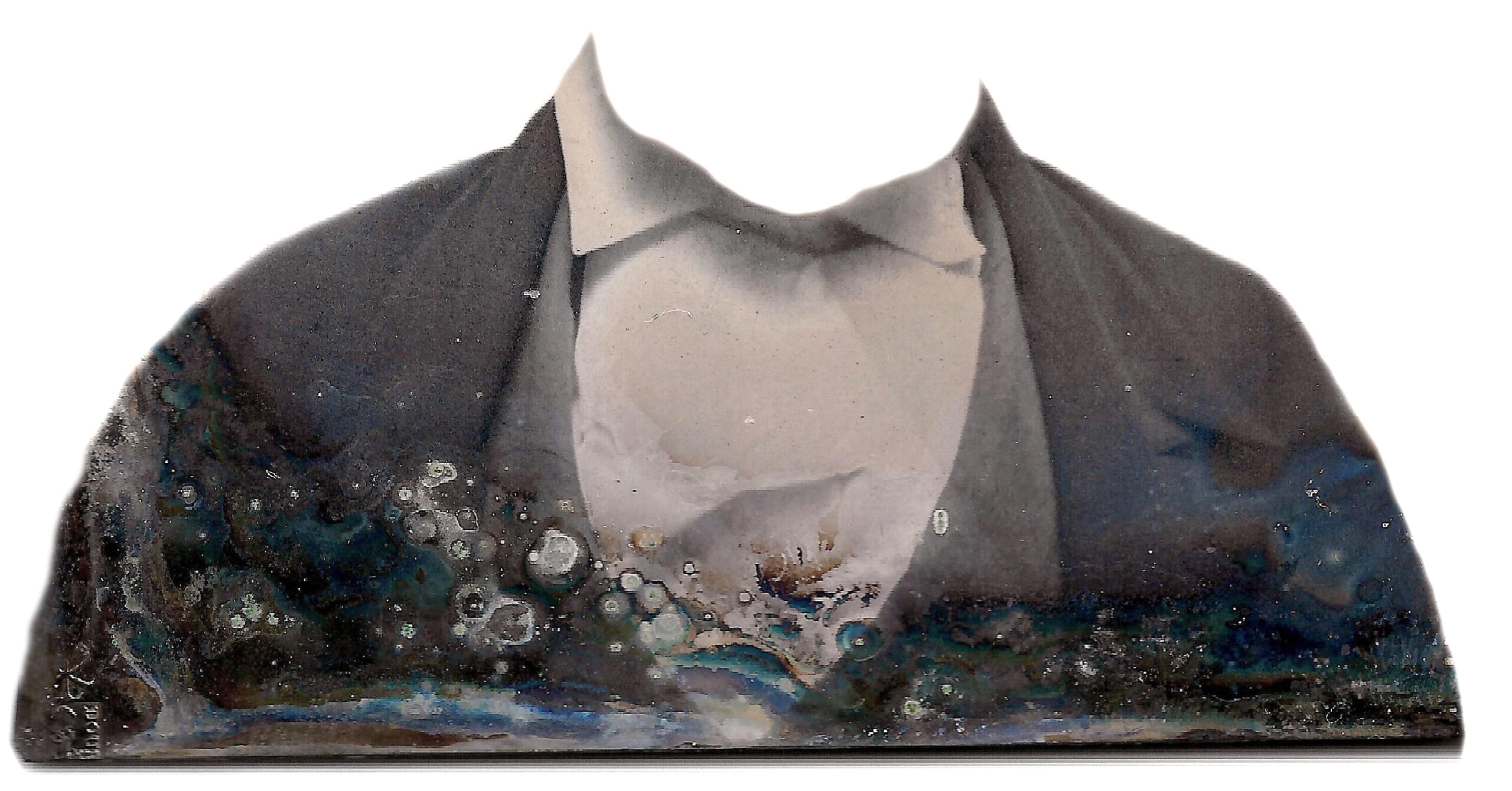
The model is wearing an old over-coat, depicted without a tie, with a low, soft, and slightly open collar. The New York Times reported on February 19, 1861:
«During the entire trip, Mr. Lincoln was noted for wearing what was described as a « shocking bad hat » and a very thin, old over-coat.»
This description aligns closely with the appearance of the subject in the daguerreotype, particularly the old over-coat.
Gibson Harris describes Lincoln’s indifference to dress:
«He manifested no concern for his personal appearance, so far as dressiness went. Provided his clothing was clean and comfortable, the cut of it did not trouble him in the least.»
Martin Rindlaub recalls Lincoln during the Douglas debates:
«His black trousers, too, were so short that they gave an appearance of exaggerated size to his feet. He wore a high stove-pipe hat, somewhat the worse for wear, and he carried a gray woolen shawl, a garment much worn in those days instead of an over-coat.»
These accounts paint a picture of Lincoln as someone who prioritized comfort and practicality over fashion, consistent with the appearance of the subject in the daguerreotype.
Outdated Collar Shape
The examination of Abraham Lincoln’s earliest portraits has revealed a significant detail that could potentially link the subject daguerreotype to Lincoln himself. This discovery focuses on the appearance of the over-coat, particularly its collar shape. The subject daguerreotype shows an outdated over-coat collar shape. This collar bears a striking resemblance to the one in Lincoln’s first recorded portrait (O-1), taken after Lincoln’s election to Congress, at age 37, in 1846.
Gibson Harris, a law student who worked in Lincoln’s office from 1845 to 1847, provided valuable information: he was a friend and roommate of Nicholas H. Shepherd, the daguerreotypist; he recognized the 1846 daguerreotype as Shepherd’s work; Harris noted that Lincoln sat for this portrait on one or more occasions (with Mrs Lincoln); this marked Lincoln’s first encounter with the daguerreotype process.
The similarities between the subject daguerreotype and Lincoln’s known appearance are noteworthy: the character in the subject daguerreotype strongly resembles Abraham Lincoln, and the over-coat appears similar to one Lincoln purchased fifteen years earlier. This discovery adds an intriguing layer to the investigation, suggesting a possible connection between the subject daguerreotype and Abraham Lincoln.
Visible Shadows
We can observe the presence of soft but visible shadows in three distinct areas: under the stovepipe hat, under the nose, and under the beard. These shadows are somewhat unusual in studio settings, where multiple light sources are typically used to control lighting conditions. The primary purpose of a photographic studio is to exert control over lighting. Collectors and specialists often scrutinize shadows in daguerreian portraits as they can offer clues about the location and time of the session.
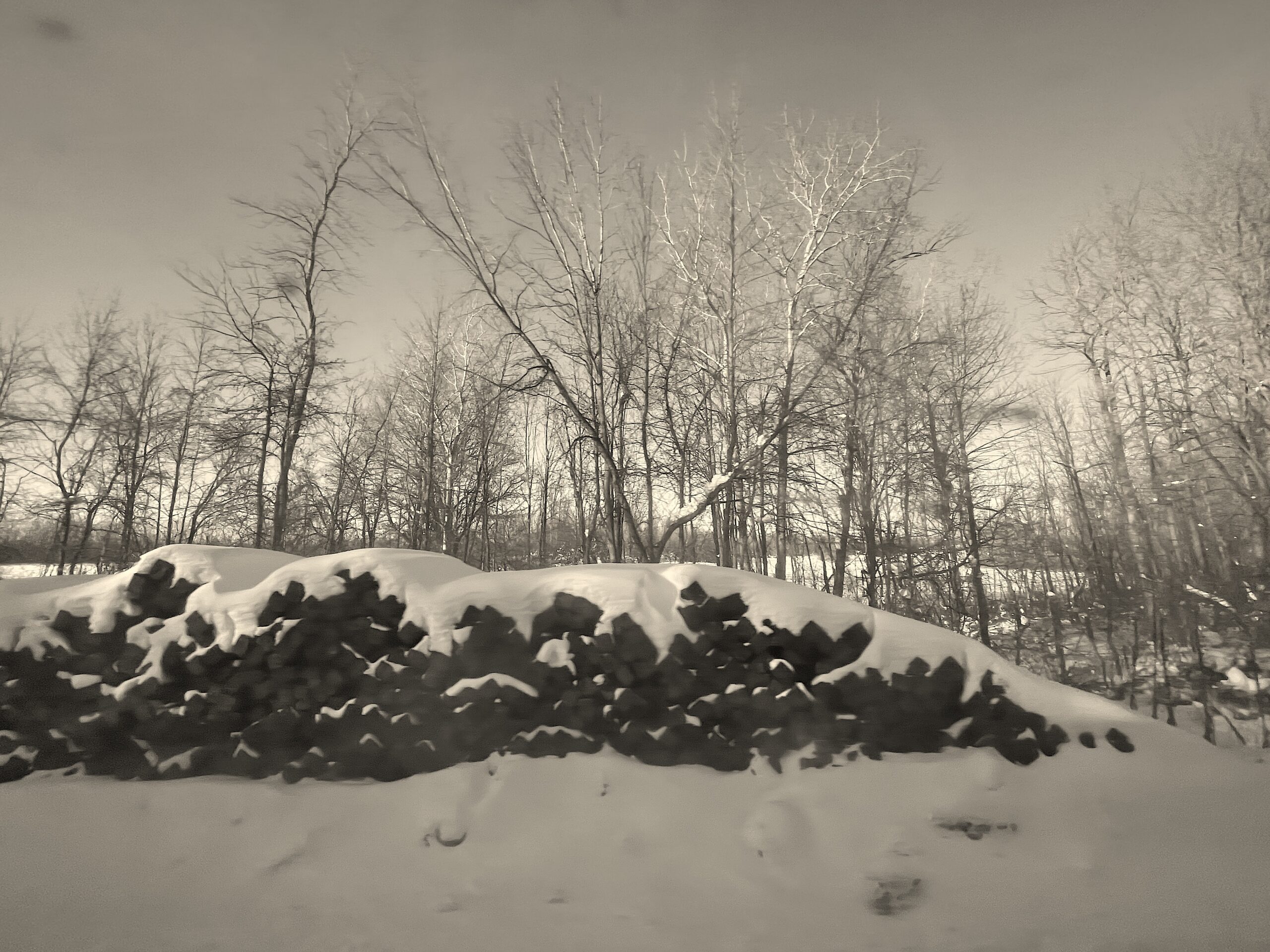
The presence of shadows suggests the use of a singular light source, likely a strong front light. This light source could be natural sunlight or sunlight reflected in a mirror. The softness of these shadows can be attributed to the subject’s bushy beard and the somewhat worn condition of the hat, which may have caused some light diffusion. Portraits taken in snowy outdoor environments often exhibit similar shadow characteristics.
When sunlight is the source of the shadows, the angle of the light can provide valuable insights into the time of day. We know the latitude and longitude of Clyde, the date of the photograph, and the exact minute (8.48 AM). This information is necessary and sufficient to calculate azimuth and elevation. The Solar Chart (reproduced on pp. 132-133) shows an incidence angle of the Sun at 20°. We can conduct an experiment with a real person, a top hat, and an electric torch inclined at the same angle to verify the shadows.
We know the disposition of the railways still in existence through Clyde; the position of the presidential train as precisely told by Joseph Pain; the position of the camera on Monday morning, on a woodpile along the train as told by the New York Times. We can discuss the possibility of the model being either on the platform or on the steps going down the platform — the journalists insisted he did not leave the train. We could double-check if these shadows are compatible with the calculations based on the known time and location.
Empty-Looking Background
The background is notably empty with local soft solarizations. It cannot be a grey wall or cloth, suggesting it could be the natural winter sky. A darker triangle in the upper right angle with a diagonal line is unlikely to be a natural tarnish pattern — the diagonal line could indicate the edge of a metallic roof on the platform, aligning with historical accounts of the Clyde stop.
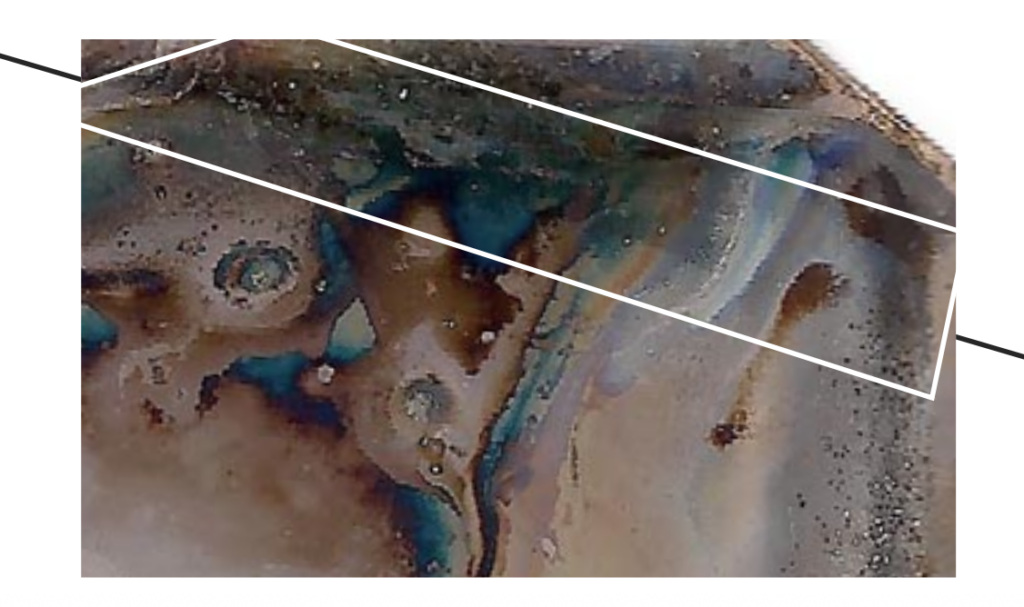
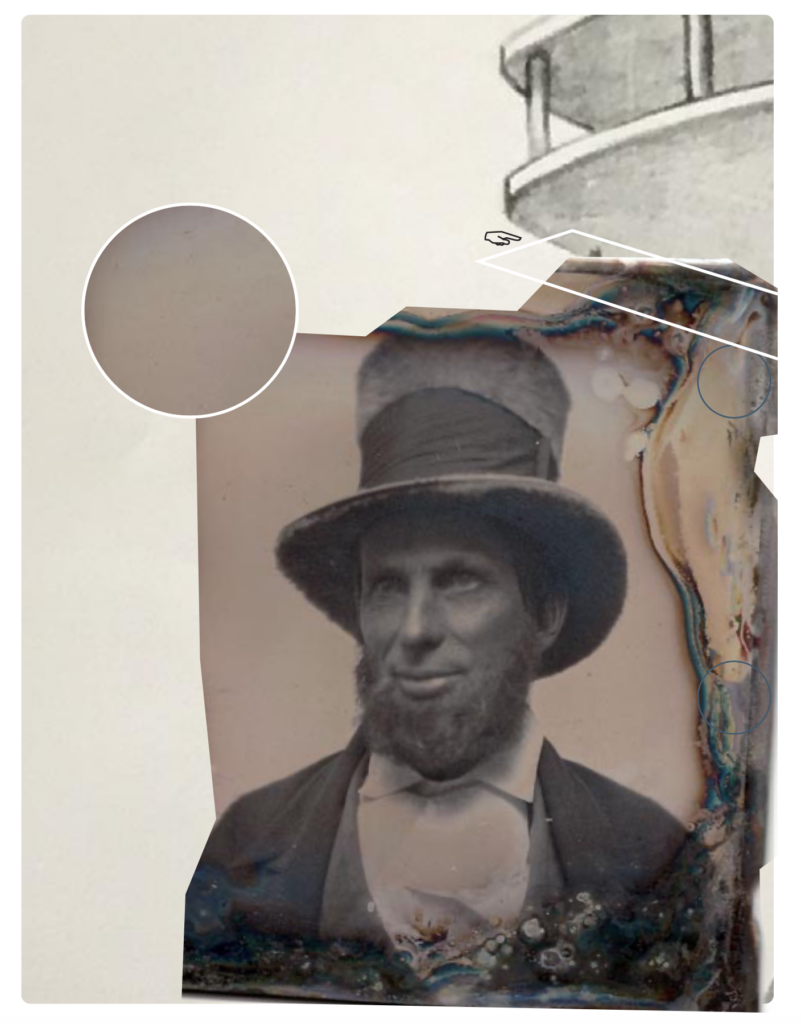
Subject daguerreotype, soft solarizations and diagonal line which could indicate the edge of a metallic roof
The train stopped near Clyde depot. The map shows the presidential railcar platform was in a very clear space without buildings. Thirty thousand persons could gather to see the President-Elect, standing on the thick ice of the frozen Clyde river (rather large here) and the Erie Canal on the other side of the railways. A recent visit to modern-day Clyde confirms the absence of trees or buildings along the railways for several hundred meters near the former passenger depot.
This analysis of the background provides additional context for understanding the conditions under which the subject daguerreotype might have been taken. The empty background and the potential presence of a metallic roof edge are consistent with the known historical and geographical details of Lincoln’s stop in Clyde. However, these observations alone do not definitively prove the identity of the subject or the exact location of the photograph.
To be continued — Episode 12: Facial Features — anthropometric measurements, untrimmed whiskers, moles and scars, eye features, left ear shape, mouth and lips design, discreet hint of a smile, dark-brown complexion.
Sources & Notes
- Rinhart, Floyd & Marrion. The American Daguerreotype. 1981.
- Chiesa, Gabriele & Gosio, Gianpaolo. Daguerreotype Hallmarks Table. Accessed 5 January 2025. https://archfoto.tripod.com/hallmark.html
- Rinhart, Floyd & Marrion. « Notes on the Daguerreotype Plate. » New Daguerreian Journal, vol. 3, n° 2, Jan. 1975, p. 5.
- Barger, M. Susan, and William B. White. The Daguerreotype: Nineteenth-Century Technology and Modern Science. Johns Hopkins University Press, 2000.
- The New York Times, 19 February 1861, « Mr. Lincoln’s Journey. »
- Autographed letter from Mrs. Louisa Livingston Siemon regarding the gift of stovepipe hats to Lincoln, New York, No. 207 East 23rd. St., 10 December 1860.
- Smithsonian Institution. Lincoln’s top hat in their collection.
- Harris, Gibson William. « My Recollections of Abraham Lincoln. » Woman’s Home Companion, November 1903, pp. 9-11.
- Rindlaub, Martin P. « Lincoln as I Saw Him. » Kiwanis Magazine, May 1926.
- Pain, Joseph. « Clyde Weekly Times, » 16 February 1861; 23 February 1861.
- Village Map of Clyde from 1874 Wayne County Atlas — D. G. Beers, pp. 124-125.
- Mike Robinson daguerreian workshop, Kolomna Monastery, July 2017.
- Pamart, A., Guillon, O., Vila, A., & de Luca, L. Massive image-based digitization strategies in the framework of Notre-Dame de Paris scientific worksite. Firenze, October 2017.
Laisser un commentaire